
👨🏿🚀TechCabal Daily – ‘Too much Access’

Good morning. 
The biggest news in global tech is not about artificial intelligence (sorry, Anthropic, your IPO plans are exciting), but a very human affair. And, as it turns out, a possible intelligence operation. NVIDIA CEO Jensen Huang has admitted to an affair after reports linked him to a former chip distributor executive whom US officials suspect of working for Chinese intelligence. NVIDIA’s board is now investigating whether Huang was targeted in a foreign espionage operation.
The $4.28 trillion NVIDIA makes the chips powering much of the global AI boom, and the US has spent years restricting China’s access to its most advanced technology. The company said it has no reason to believe its secrets were compromised, but the affair has raised questions about the security of one of the world’s most valuable companies.
Let’s get into today’s dispatch.
Read smart insights about Francophone Africa’s tech ecosystem—weekly.
Subscribe

- Access weighs foreign market exit
- Kenya banks face conflicting deadlines
- MTN and Cell C hit impasse
- Yoco secures $100 million for lending
- World Wide Web 3
- Job Openings
Banking
Access Holdings may sell a foreign subsidiary in rethink of its African expansion strategy
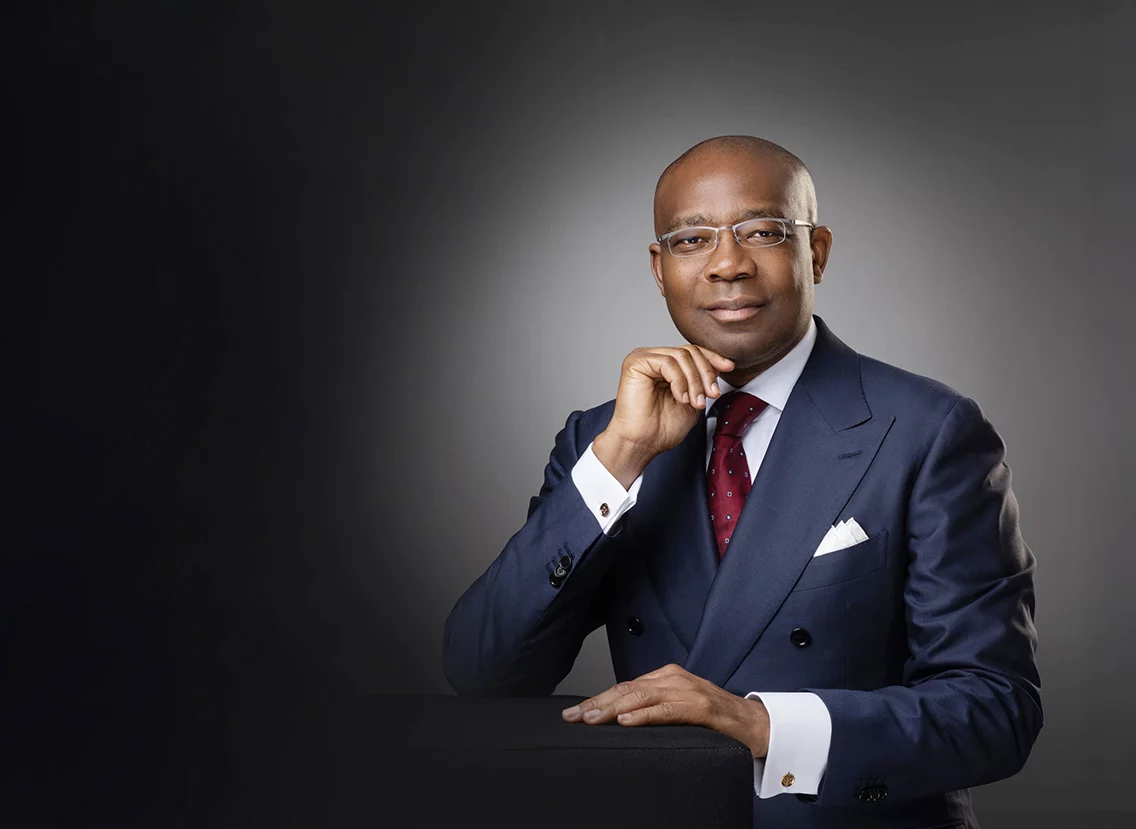
Building a banking empire across Africa sounds good until some branches start costing more than they bring in. Access Holdings, the parent company of Access Bank and one of Nigeria’s largest banking groups, has found itself at that point. After years of expanding into new markets through acquisitions and new subsidiaries, it’s considering selling at least one overseas.
What happened? Access Holdings chairman Aigboje Aig-Imoukhuede disclosed that the group is considering exiting at least one foreign market after identifying an underperforming subsidiary. Speaking to Bloomberg on the sidelines of the African Financial Industry Summit (AFIS) in Luanda, Angola, he said the group would be prepared to sell businesses that fail to meet their cost of capital or strategic objectives.
Explain like I’m new here: Under Section 19(8)(c) of the Banks and Other Financial Institutions Act (BOFIA) 2020, Nigerian banks cannot invest more than 10% of their shareholders’ funds in foreign banking subsidiaries. The provision is intended to prevent banks from committing too much capital to overseas operations at the expense of their financial strength at home.
Access was making moves: Access has spent years growing beyond Nigeria through acquisitions and new banking subsidiaries. It now operates across 16 African markets, including Tanzania, Kenya, Angola and Sierra Leone. In May, the bank’s exposure stood at 19.4%, almost twice the regulatory limit.
Access is considering either recalling excess capital from subsidiaries, selling minority stakes, or restructuring businesses. It has completed one capital repatriation exercise involving six subsidiaries and is engaging regulators in five countries to facilitate further capital returns. The group has not disclosed which five countries are involved.
Who could be leaving? Access has not named the subsidiary it is considering selling. However, the group’s international operations have not all performed equally. Its South African operation has recorded persistent losses, while its Kenyan business reported a loss in H1 2026. Mozambique, which previously struggled after an acquisition, returned to profitability in 2025.
In 2014, the tier-1 bank sold its loss-making Ivory Coast subsidiary after an earlier CBN directive restricted Nigerian banks from using parent-bank capital to support foreign operations. In July, it sold a 7.44% stake in its Ghanaian subsidiary. The current exercise could follow a similar route.


Upgrade your business today
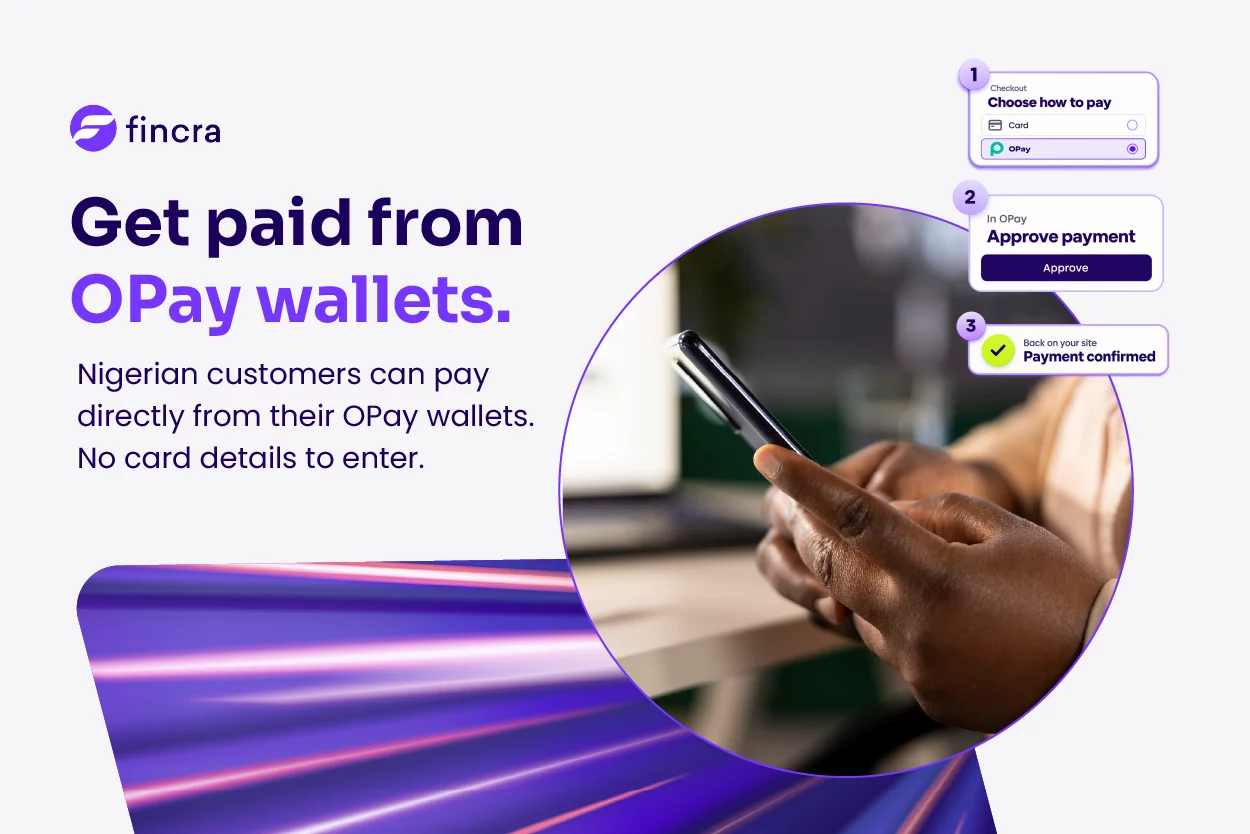
Pay with OPay is live on Fincra. Customers approve payments straight from their OPay wallet, and you get confirmation back on your site. Available now for NGN collections! Upgrade your business today with Fincra pay with OPay.
Banking
Kenya’s banks have two bosses arguing over their capital
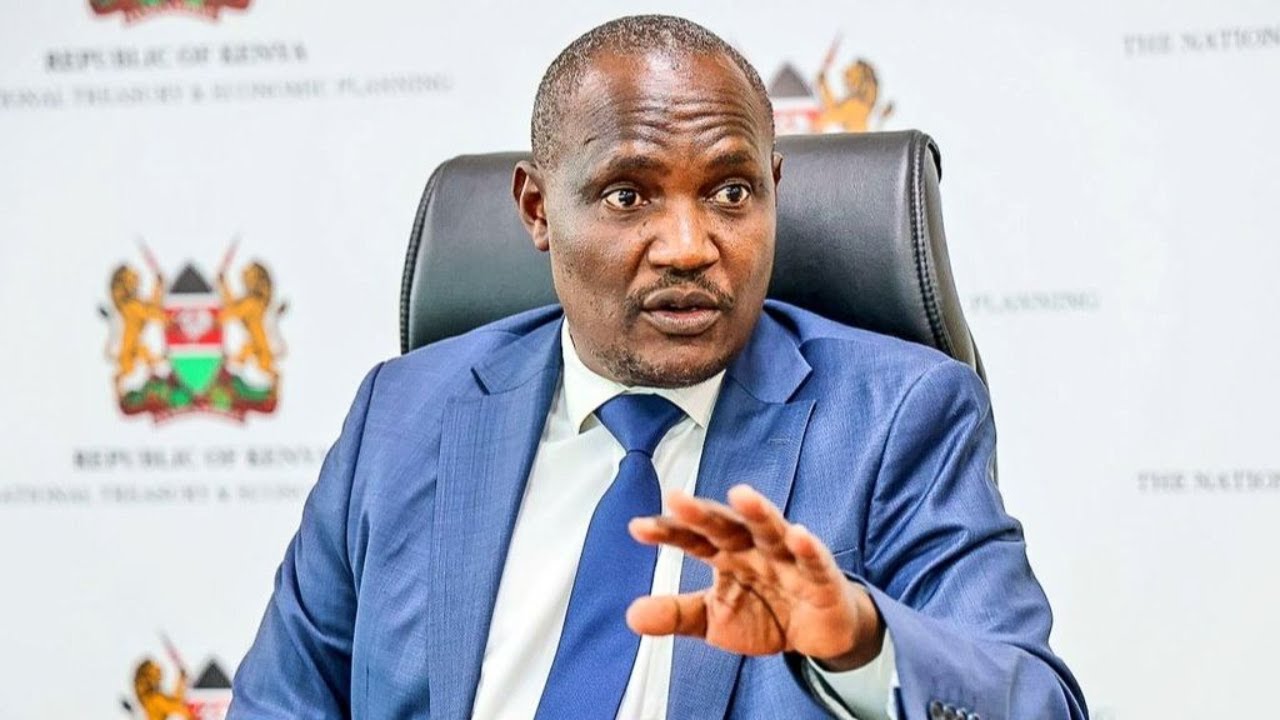
Kenya’s banks have been given two different timelines to raise capital, and the regulatorsare now trying to agree on which one counts. The Treasury (the Finance Ministry) wants to give lenders until 2032 to reach KES 10 billion ($46 million) in core capital, but the Central Bank of Kenya (CBK) wants them to do it by 2029.
What’s happening? John Mbadi, Kenya’s Treasury Cabinet Secretary, and CBK Governor Kamau Thugge are in talks to settle the disagreement, which became public after Mbadi announced an extension in his 2026 Budget speech, in June.
Mbadi’s proposal would scrap the CBK’s annual capital targets and give banks three extra years. The regulator wasn’t having it. It told lenders to stick to the original schedule and ordered banks with less than KES 5 billion ($38 million) in core capital to explain how they would meet the December 2026 target.
Under the CBK’s plan, banks must hold $38 million by December 2026, KES 6 billion ($46 million) in 2027, KES 8 billion ($62 million) in 2028, and KES 10 billion ($77 million) in 2029.
Why it matters: Smaller banks have warned that meeting the higher capital requirements could force them to cut lending to businesses and households, putting them at odds with the government’s push to increase private-sector credit.
As of June 2026, 14 banks had less than the KES 5 billion ($46 million) required by December. Seven had already missed the previous year’s KES 3 billion ($23 million) target. For these lenders, the extra three years Mbadi is proposing could make a big difference.
The bigger question: The CBK wants banks with larger capital buffers, but parliament wants to avoid a process that drives smaller lenders out of the market or limits access to credit. Both have a point. But until Mbadi and Thugge agree on a timeline, banks are left planning for two different deadlines.
Telecoms
MTN and Cell C disagree over network deal

In South Africa, MTN helps keep Cell C’s customers connected. Cell C helps banks and retailers become mobile operators without building their own networks. Now MTN wants more of that business for itself.
What’s happening? In a trading update published on Monday, MTN, Africa’s largest telecom operator, said it failed to agree with Cell C, the South African mobile network operator, on certain terms of their longstanding commercial relationship. MTN didn’t disclose what the disagreements were, but said both companies would work to resolve them under their existing agreement. Cell C confirmed that the deal runs until 2032 and that existing terms remain unchanged, according to local publication TechCentral.
Explain like I’m new here. Unlike MTN and Vodacom, Cell C no longer operates its own radio network. Instead, it relies on infrastructure-sharing agreements with both companies to provide nationwide coverage. Under its arrangement with MTN, Cell C gets access to network infrastructure, while MTN gets access to some of Cell C’s licensed spectrum, the radio frequencies used to carry mobile signals.
Here’s where it gets interesting: Cell C has built a growing business serving mobile virtual network operators (MVNOs), companies such as Capitec Connect that sell mobile services without operating their own networks. In its FY2026 results, Cell C estimated that it hosts 80–85% of South Africa’s MVNO market. Its wholesale revenue grew 20% to R1.76 billion ($107.2 million) in the year to May, supporting 5.71 million MVNO lines.
But MTN wants a bigger slice of that market. It wants to become South Africa’s leading MVNO wholesaler and is introducing new wholesale pricing arrangements to compete for customers.
Between the lines: MTN is both Cell C’s infrastructure partner and a direct competitor for wholesale customers. That creates an uncomfortable relationship between the two operators. Cell C needs access to MTN’s infrastructure to serve its customers, while MTN earns revenue from that arrangement even as it competes for the same business.
Neither company has disclosed the exact reason for the disagreement.
Zoom out: Cell C’s strategy of relying on other operators’ networks has reduced infrastructure development and maintenance costs, letting it focus on acquiring customers and growing its wholesale business. But the model also makes the terms of its network agreements critical to its profitability.
For now, both companies say customers won’t experience service disruptions. But Cell C has to answer questions about how it can protect its fast-growing wholesale business as the company supplying its network competes more aggressively for the customers it serves.
Funding
South Africa’s Yoco secures $100 million credit facility

Yoco, a South African fintech, has secured a $100 million credit facility from US investment firm Victory Park Capital to expand Yoco Capital, its merchant cash advance business. The facility gives the company greater control over how it finances merchants, including pricing advances and managing the associated risks.
Here’s what Yoco does: Yoco Capital uses payment data to assess merchants for financing. Eligible merchants receive offers through the Yoco app based on their sales history. Advances range from R2,000 ($121.8) to R1.5 million ($91,360), with no collateral required. Repayments are automatically deducted from daily sales,
Explain like I’m new here: South Africa’s small-business financing gap is estimated at R350 billion ($21.3 billion), according to the 2025 Finfind and African Bank MSME Access to Finance Report. SMEs receive just 13% of national bank lending, compared with 51% for large corporations. Yoco is betting that its existing relationship with merchants gives it an advantage in serving some of that unmet demand.
Yoco wants to do more: Since launching Yoco Capital in 2018, the company has advanced more than R6.5 billion ($395 million) to over 40,000 merchants. It now wants to extend the service to more of the 200,000-plus businesses on its platform. It has expanded its point-of-sale software, acquired Dyner AI, a software business, in May, and is developing an AI-powered platform for small businesses. With the new facility, Yoco is betting that the payment data it has collected over the years can become a bigger business than processing transactions alone.
CRYPTO TRACKER
The World Wide Web3
Source:

|
Coin Name |
Current Value |
Day |
Month |
|---|---|---|---|
 Bitcoin |
$75,625 |
– 5.88% |
– 10.24% |
| Ether |
$2,223 |
– 8.04% |
– 15.05% |
| XRP |
$1.19 |
– 8.20% |
– 18.56% |
| Solana |
$89.30 |
– 6.64% |
– 24.83% |
* Data as of 06.54 AM WAT, November 10, 2026.
JOB OPENINGS
- Sparkle Nigeria — Business Growth Manager — Lagos, Nigeria
- Tech Safari — Content Lead — Nairobi, Kenya, and Abuja, Nigeria (remote, anywhere in Africa)
- CredPal — Credit Underwriter — Lagos, Nigeria
- Pesa — Social & Influencer Marketing Manager — Remote (Nigeria)
- Bamboo — Product Manager (Misan) — Hybrid (Lagos, Nigeria)
- Àngeles Sostenibles — Operations Associate — Abuja, Nigeria
- Coinomad — Sales Manager, Business Development Manager — Nigeria
- Sumsub — Senior Anti-Fraud Analyst — Remote (anywhere)
- AfriChange — Compliance Specialist — Remote (Nigeria)
- Scouthappy — Growth Lead for Fintech (Stocks) — Remote (Nigeria)
- Daya — Growth Product Manager (Daya Coins) — Remote (Nigeria)
- Qore — Site Reliability Engineering (SRE) Manager — Lagos, Nigeria
- Afreximbank — Student and Postgraduate Internship — Cairo, Egypt
Looking for more opportunities? There are additional openings on TechCabal’s job board. We’ve also cleared out outdated listings to keep opportunities fresh for job seekers. If you’re hiring and would like to feature an open role, please submit it via this form.

- Jensen Huang’s China problem reaches the FBI
- Money Fellows took an old savings habit and built a business the hard way
- Nigeria’s telecom operators sue federal lawmakers over service-quality probe
- MTN’s South African data boom is not translating into revenue growth
Written by: Yemi Kareem, Kenn Abuya, and Emmanuel Nwosu
Edited by: Emmanuel Nwosu & Ganiu Oloruntade
Want more of TechCabal?
Sign up for our insightful newsletters on the business and economy of tech in Africa.
- The Next Wave: futuristic analysis of the business of tech in Africa.
- Francophone Weekly by TechCabal: insider insights and analysis of Francophone’s tech ecosystem
P:S If you’re often missing TC Daily in your inbox, check your Promotions folder and move any edition of TC Daily from “Promotions” to your “Main” or “Primary” folder and TC Daily will always come to you.

Crédito: Link de origem