
👨🏿🚀TechCabal Daily – Caireful what you bid for
Happy mid-week. 
Anthropic is preparing for a massive initial public offering (IPO), potentially on November 16, but it has an expensive problem: keeping up with demand for its AI tools.
The Claude maker earned $17 billion in revenue in Q3 2026, yet spent about $10 billion on the computing power needed to run its models. Anthropic now has to convince investors that its fast-growing business can eventually make money without spending so much to keep the lights on.
Let’s get into today’s dispatch.
Read smart insights about Francophone Africa’s tech ecosystem—weekly.
Subscribe

- Grey secures Nigerian IMTO licence
- Banque du Caire’s underwhelming IPO
- NCBA transfers shares to Nedbank
- Egypt’s Raya eyes digital banking
- World Wide Web 3
- Job Openings
Fintech
Grey secures CBN licence to process international transfers into Nigeria
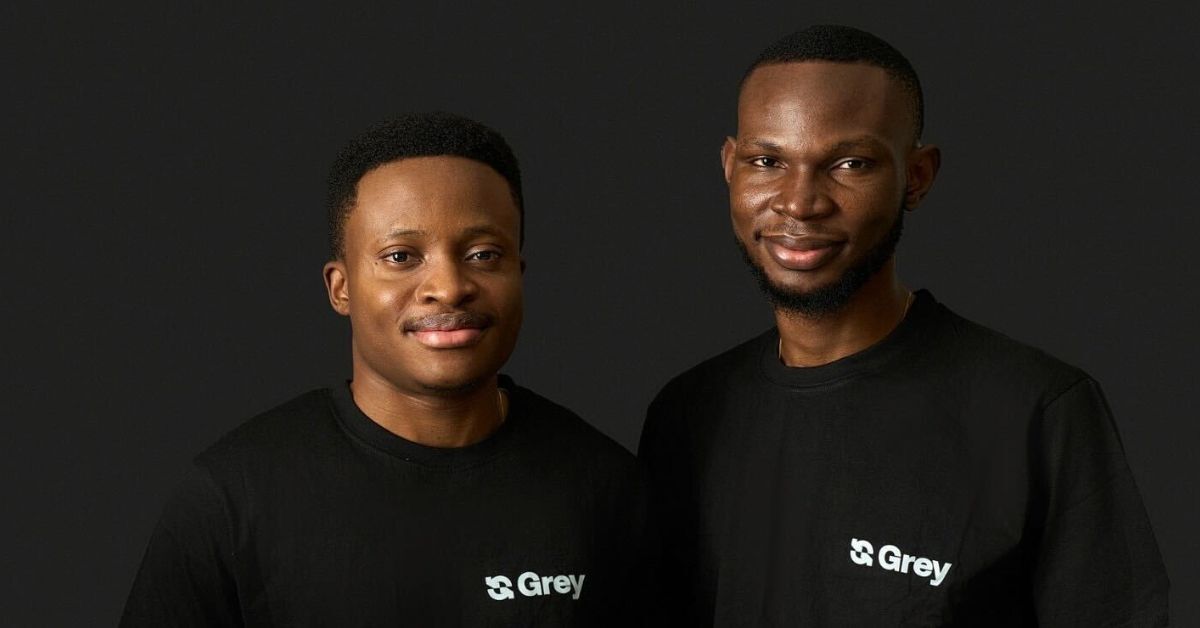
Image Source: Grey
Grey, a Y Combinator-backed cross-border payments company, has received approval from the Central Bank of Nigeria (CBN) to operate as an International Money Transfer Operator (IMTO). The regulatory nod allows Grey to facilitate inbound transfers from people and businesses abroad to recipients in Nigeria.
What does this unlock? Under the CBN’s 2024 IMTO guidelines, the licence will let Grey process inbound transfers, allowing recipients to be paid in naira. The approval covers person-to-person, business-to-person, and business-to-business (B2B) transfers, Grey said. That means it can serve Nigerians receiving money from relatives overseas, professionals being paid by foreign employers, or local businesses receiving payments from international customers.
Grey is not the first fintech to get into this business. Nigeria’s IMTO market now counts over 100 CBN-approved operators, including Western Union, MoneyGram, Remitly, Sendwave, and WorldRemit. Nigerian remittance fintechs such as LemFi, Flutterwave, Paga Remit, and Raenest are also targeting the same market.
Why this matters: Nigeria received about $22.8 billion in personal remittances in 2025, according to the World Bank, showing that the opportunity is viable despite the competition. The market remains challenging, with Moniepoint’s decision to discontinue MonieWorld in August showing how difficult it can be to make remittances profitable.
An IMTO licence gives Grey a regulated way to participate more directly in the remittance market and build international payment corridors. It also follows Grey’s launch of Paycheck, a new product that lets professionals earning in foreign currencies set aside income in salary accounts, at Moonshot by TechCabal on October 28.


Upgrade your business today
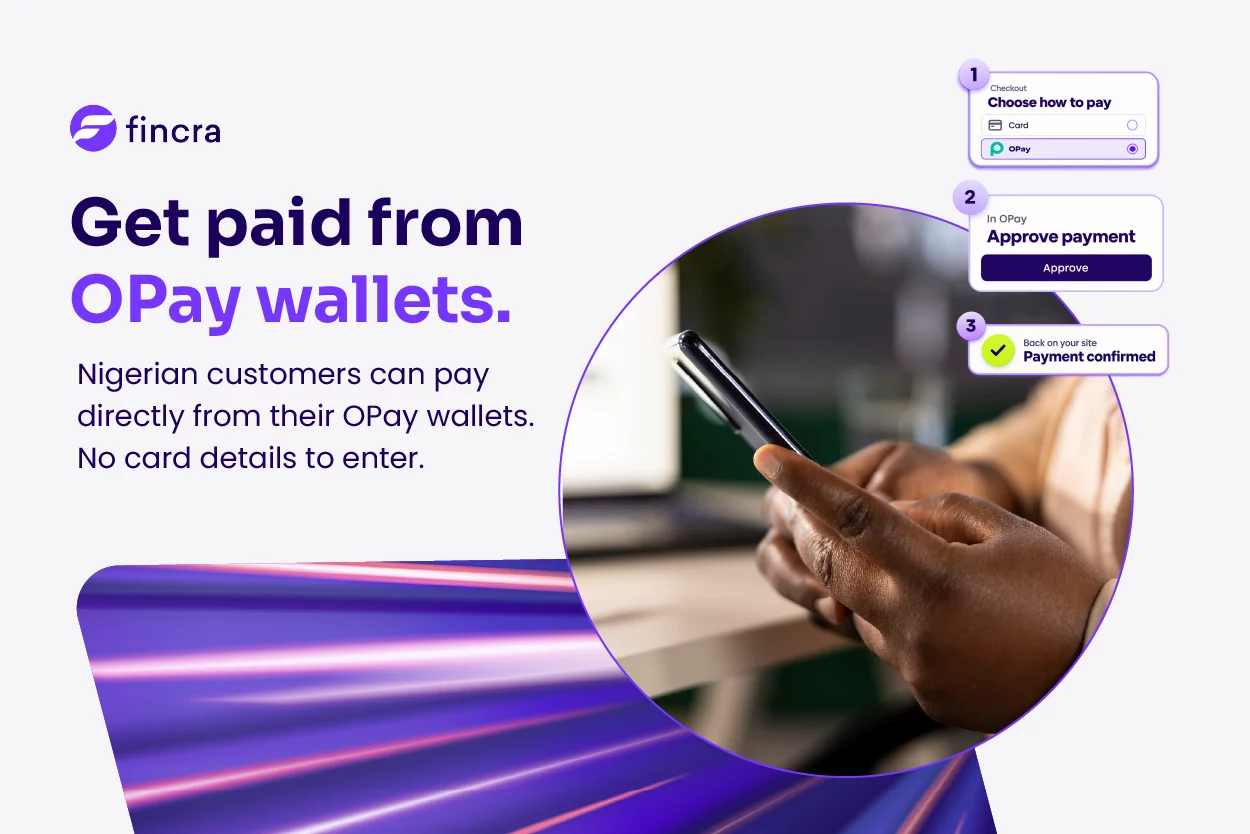
Pay with OPay is live on Fincra. Customers approve payments straight from their OPay wallet, and you get confirmation back on your site. Available now for NGN collections! Upgrade your business today with Fincra pay with OPay.
Capital markets
Egypt’s Banque du Caire has gone public. But investors aren’t celebrating.
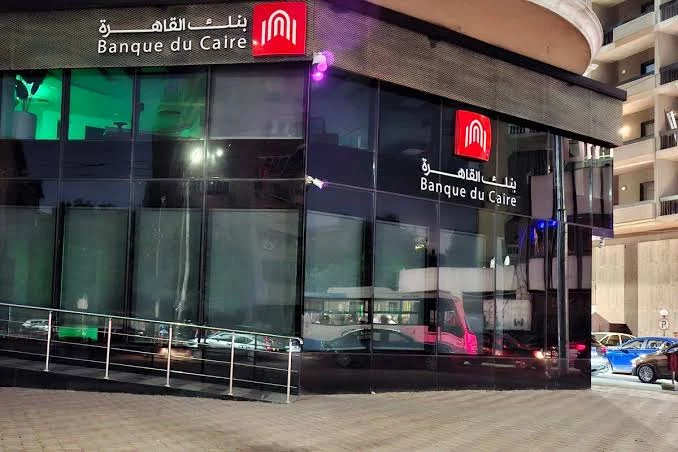
Imagine throwing a party, having 27 times more people than you invited show up, and still struggling to get anyone excited once the music starts. That’s visually how Egypt’s biggest initial public offering (IPO) in at least a decade went.
What happened? On November 2, Banque du Caire, one of Egypt’s largest state-owned banks, listed on the Egyptian Exchange (EGX) after its parent company, Banque Misr, sold a 45% stake for $658 million.
Investors came in droves. Institutional investors placed orders worth nearly six times the available shares, while retail investors requested 27 times their allocation. But shares of Banque du Caire, Egypt’s sixth-largest commercial bank, ended their first trading day just 0.19% above the offer price. Not quite the grand entrance.
Explain like I’m new here: An IPO is when a company sells shares to public investors for the first time. When demand exceeds the number of shares available, it’s called oversubscription. But high demand doesn’t guarantee that a company’s shares will rise once trading begins.
Why the slow start? Banque du Caire’s shares were priced at their estimated fair value, leaving little room for quick gains. And with Egyptian treasury bills offering yields above 20%, investors had other places to park their money.
Zoom out: Egypt isn’t selling its banks just for the applause. The government plans to use up to half the IPO proceeds, about $329 million, to reduce public debt as it pushes ahead with a state privatisation programme tied to its International Monetary Fund (IMF) commitments.
Egypt hopes to raise between $3 billion and $4 billion from state asset sales before year-end. Banque du Caire has shown that investors will come to the party. Making them stay may require better bargains.
M&A
Kenya’s NCBA transfers shares to acquirer, South Africa’s Nedbank
South Africa’s Nedbank has finally collected the keys to one of Kenya’s biggest banks. And the deal has sent Nairobi’s stock market into overdrive.
What’s buzzing? On Tuesday, Nedbank completed the final step in its acquisition of a 66% stake in NCBA Group after 1.087 billion shares were transferred on the Nairobi Securities Exchange (NSE). The transaction pushed the exchange’s daily trading value to KES 107.7 billion ($830 million).
Explain like I’m new here. In January, Nedbank announced plans to buy a controlling stake in NCBA, Kenya’s fifth-largest bank by assets, as it sought to expand its business in East Africa. After months of regulatory approvals and shareholder negotiations, the acquisition is now finalised. NCBA will keep its name, management, and stock market listing, but Nedbank now has the biggest say in its strategic direction.
What’s the deal? Nedbank is paying 80% of the purchase price in its own shares and the remaining 20% in cash. Participating NCBA shareholders are exchanging part of their ownership in the Kenyan bank for a stake in its new South African lender.
Zoom out: When one publicly listed bank buys another, the challenge isn’t always finding the money. It’s convincing shareholders that the deal is worth their shares. Just ask Spain’s BBVA, whose €16.3 billion ($18.2 billion) bid to acquire fellow-listed Banco Sabadell collapsed in October 2025 after shareholders representing only 25.47% of voting rights accepted its offer.
Nedbank has had better luck, securing its targeted 66% stake in NCBA, with some shareholders offering more shares than it needed. But with 80% of the purchase price paid in Nedbank shares, participating NCBA investors are now betting on the South African lender’s future, too. The acquisition is settled, but whether it pays off is another story.
Banking
Egypt’s Raya Holding plans digital bank through fintech subsidiary

Raya Holding, an Egyptian investment company, has confirmed plans to launch a digital bank through Aman Holding, its financial services subsidiary, in partnership with international investors.
The company disclosed the plan to the Egyptian Exchange on Monday. It is still preparing the feasibility studies and documents required to apply to the Central Bank of Egypt (CBE). It has not named its prospective partners or disclosed the bank’s proposed capital, launch date, or operating model.
Explain like I’m new here: Raya has been listed on the Egyptian Exchange (EGX) since 2005; it operates across technology, retail, manufacturing, logistics, hospitality, and financial services. Aman, its financial services arm established in 2016, offers digital payments, consumer financing, microfinance, agent banking, and SME financing. It has more than 150,000 point-of-sale (PoS) terminals and more than 250 branches. In H1 2026, Aman generated EGP 5.4 billion ($97.6 million) in revenue, up 38% year-on-year.
Egypt’s digital banking race is taking shape: Egypt has been laying the groundwork since 2023, when the CBE introduced rules for digital banks. Applicants need at least EGP 2 billion ($36 million) in paid-up capital to conduct general banking activities, rising to EGP 4 billion ($72.3 million) if they want to finance large companies. The regulator also requires a financial institution to hold at least 30% of the bank’s capital.
In March, Onebank, backed by state-owned Banque Misr, secured an operating licence. Qatar National Bank (QNB), one of the Middle East and Africa’s largest banking groups, also received CBE approval in October 2025 for its digital-first bank, ezbank
Egypt’s financial inclusion rate reached 77.6% by the end of 2025. The opportunity lies in getting customers to do more with their digital accounts, including accessing credit or savings products.
CRYPTO TRACKER
The World Wide Web3
Source:
|
Coin Name |
Current Value |
Day |
Month |
|---|---|---|---|
 Bitcoin |
$77,646 |
+ 1.34% |
– 9.34% |
| Ether |
$2,294 |
+ 2.08% |
– 15.20% |
| ZIG Finance |
$0.04044 |
– 1.58% |
– 29.18% |
| Solana |
$92.75 |
+ 1.24% |
+ 1.19% |
* Data as of 06.45 AM WAT, November 4, 2026.
Job Openings
- Sparkle Nigeria — Business Growth Manager — Lagos, Nigeria
- Tech Safari — Content Lead — Nairobi, Kenya, and Abuja, Nigeria (remote, anywhere in Africa)
- CredPal — Credit Underwriter — Lagos, Nigeria
- Pesa — Social & Influencer Marketing Manager — Remote (Nigeria)
- Bamboo — Product Manager (Misan) — Hybrid (Lagos, Nigeria)
- Àngeles Sostenibles — Operations Associate — Abuja, Nigeria
- Coinomad — Sales Manager, Business Development Manager — Nigeria
- Sumsub — Senior Anti-Fraud Analyst — Remote (anywhere)
- AfriChange — Compliance Specialist — Remote (Nigeria)
- Scouthappy — Growth Lead for Fintech (Stocks) — Remote (Nigeria)
- Daya — Growth Product Manager (Daya Coins) — Remote (Nigeria)
- Qore — Site Reliability Engineering (SRE) Manager — Lagos, Nigeria
- Afreximbank — Student and Postgraduate Internship — Cairo, Egypt
Looking for more opportunities? There are additional openings on TechCabal’s job board. We’ve also cleared out outdated listings to keep opportunities fresh for job seekers. If you’re hiring and would like to feature an open role, please submit it via this form.

- How Jumia is courting Côte d’Ivoire’s informal retail market
- South Africa’s AGOA troubles could reach beyond exporters to its startups
- Airtel Nigeria’s $1 billion comeback comes with a growing mobile money business
Written by: Yemi Kareem and Emmanuel Nwosu
Edited by: Emmanuel Nwosu & Ganiu Oloruntade
Want more of TechCabal?
Sign up for our insightful newsletters on the business and economy of tech in Africa.
- The Next Wave: futuristic analysis of the business of tech in Africa.
- Francophone Weekly by TechCabal: insider insights and analysis of Francophone’s tech ecosystem
P:S If you’re often missing TC Daily in your inbox, check your Promotions folder and move any edition of TC Daily from “Promotions” to your “Main” or “Primary” folder and TC Daily will always come to you.
Crédito: Link de origem