

Trump announces expanded US oil deals with Iraq after White House meeting
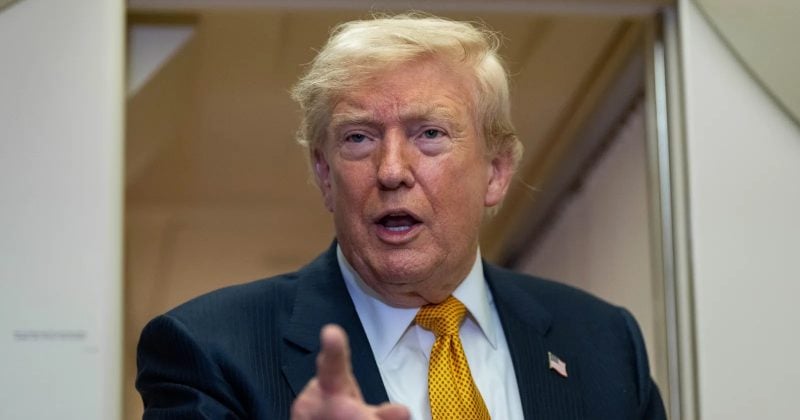
President Donald Trump announced that the US would be “doing a lot of deals with Iraq and taking a lot of oil out of the country” following an Oval Office meeting with Iraqi Prime Minister Ali al-Zaidi. The press conference, held at the White House, also included a vague security pledge, with Trump stating the US would “be there for Iraq if they needed protection.”
What’s actually on the table
The meeting between Trump and al-Zaidi was not just diplomatic theater. It came with a stack of memoranda of understanding aimed at getting US energy companies deeper into Iraq’s oil infrastructure.
Chevron is reportedly in negotiations to develop two major Iraqi oil fields: West Qurna-2 and Nasiriyah. Iraq’s long-term production target sits at roughly 4.3 million barrels per day, a level the country hasn’t consistently maintained in years.
US firms HKN, Western Zagros, and Hunt were also part of the conversation, with security guarantees provided to support their operations in Iraqi energy projects. A separate MoU was signed with TI Capital concerning the Kirkuk-Baniyas Pipeline, a strategically important corridor for moving Iraqi crude.
Beyond oil, the cooperation package included an LNG import terminal project led by Excelerate Energy, plus internet services licensing through Starlink.
Strategic context and the bigger picture
Iraq’s oil sector has historically been dominated by a mix of international players, including Chinese and European firms. Pushing US companies to the front of the line is as much a geopolitical play as an economic one.
The security component of the announcement, while vague, is notable. Trump’s offer to protect Iraq “if they needed it” suggests a quid pro quo framework: US military support in exchange for preferential access to Iraqi energy resources.
The Strategic Bitcoin Reserve, established in 2025, remains the most concrete intersection between Trump-era policy and the crypto market. The Iraq energy deals exist firmly in the traditional energy lane, with no crypto-native components attached.
What this means for investors
If Chevron and other US firms begin meaningful development of Iraqi fields, the resulting supply increase could take years to materialize but would be priced in much sooner by oil futures markets.
The risk to watch: OPEC dynamics. Iraq increasing production doesn’t happen in a vacuum. Other OPEC members may respond by adjusting their own output targets, potentially triggering supply disputes that have sent oil prices on wild rides in the past.
Comments are closed.