

South Sudan Builds Its First System to Track Education Progress
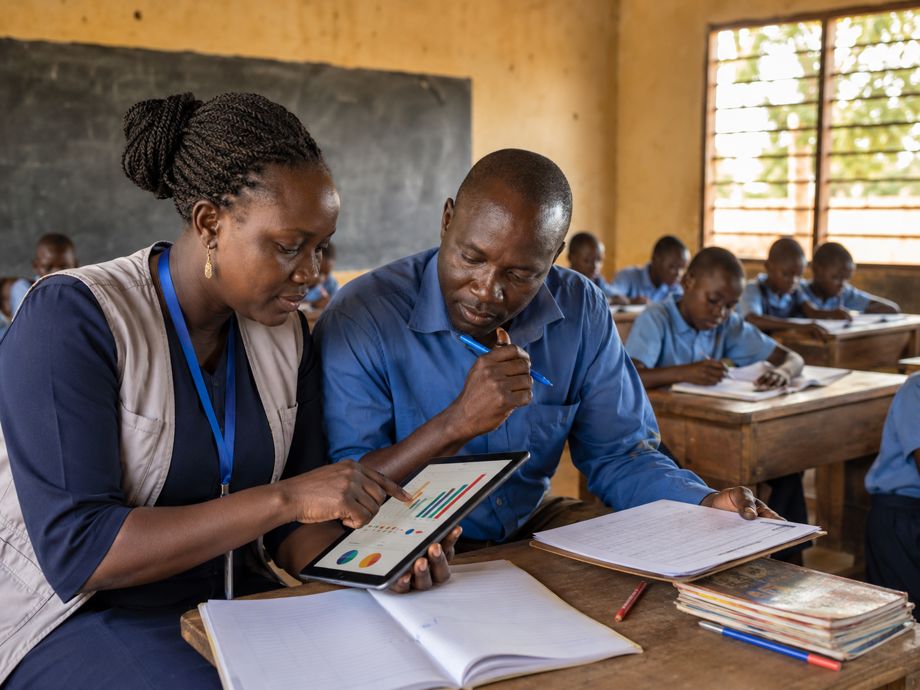
South Sudan is taking a major step towards understanding whether its education policies are improving classrooms, supporting teachers and reaching children who remain outside the school system. With technical support from UNESCO, the government is developing the country’s first dedicated monitoring system for the General Education Strategic Plan (GESP) 2023–2027, creating a clearer way to measure results, uncover neglected areas and coordinate work across the education sector.
Turning an Education Plan Into Measurable Progress
Approved in 2023 with UNESCO’s support, the GESP sets out South Sudan’s education priorities over five years and guides the work of the Ministry of General Education and Instruction, development agencies and civil society organisations. Many activities connected to the plan are already underway, yet the country has lacked a shared system for comparing those efforts with the targets established in the strategy.
Without reliable monitoring, officials and education partners can struggle to see which programmes are producing meaningful results, which communities are receiving limited support and where resources should be directed. The planned system is expected to bring that information together, giving decision-makers a stronger foundation to improve policies and turning national commitments into practical changes for learners.
Partners Map Education Projects and Remaining Gaps
The foundation for the system was discussed during a four-day consultation held in Juba from 18 to 21 August 2026. Facilitated by UNESCO, the meeting brought together around 30 representatives from the government, United Nations agencies, non-governmental organisations and civil society.
Participants worked in groups to map education initiatives being implemented across South Sudan and examine the progress recorded under the GESP. Their discussions also revealed gaps in programme coverage, helping partners identify areas where children, teachers or schools may not be receiving enough assistance.
The sessions explored how the monitoring system should be designed, what information it should collect and how different organisations could contribute without duplicating one another’s work. Leadership, coordination, technical capacity and national ownership were treated as essential parts of the system rather than issues to be addressed after its creation.
A New Culture of Accountability in Education
George Mogga Bengamin, Director General for Planning and Budgeting at the Ministry of General Education and Instruction, described the initiative as a milestone for the country. South Sudan has developed education plans since 2005, he explained, but previous strategies did not include a tool capable of tracking performance and measuring outcomes.
His message captured the central purpose of the consultation: setting targets carries little value when institutions cannot determine whether those targets are being reached. A functioning monitoring system could help the government follow progress more consistently, respond earlier when programmes fall behind and show communities and partners how education resources are being used.
The consultation ended with agreed actions and a timeline for developing the system over the coming months. Once established, it could strengthen accountability across South Sudan’s education sector while giving policymakers a more accurate picture of what is working, what needs attention and how the GESP can deliver better opportunities for children throughout the country.
Comments are closed.