

South Africa adds Angolan Kwanza to regional cross-border payment system
KEY POINTS
- South African Reserve Bank has added the Angolan kwanza as a settlement currency on the SADC-RTGS platform, marking the first time the regional system will settle transactions in a currency other than the rand.
- The move shifts the platform from a rand-only settlement system to a multi-currency regional payments framework, according to SARB official Arif Ishmael.
- SARB said Botswana and Mozambique are already being prepared for currency onboarding, while eight countries have volunteered to connect faster payment systems to the regional hub.
- The central bank said regulatory harmonization, settlement design and lower foreign-exchange friction will be key to accelerating wider cross-border payment integration across Southern Africa and the continent.
The South African Reserve Bank has added the Angolan kwanza as a settlement currency on the SADC-RTGS system, a milestone that opens the regional cross-border platform to its first non-rand currency more than a decade after the system launched.
The development means the Southern African Development Community real-time gross settlement platform, which is operated by the SARB, will no longer settle transactions exclusively in the South African rand. The system went live in 2013, and the kwanza is only the second settlement currency on the platform and the first added since launch.
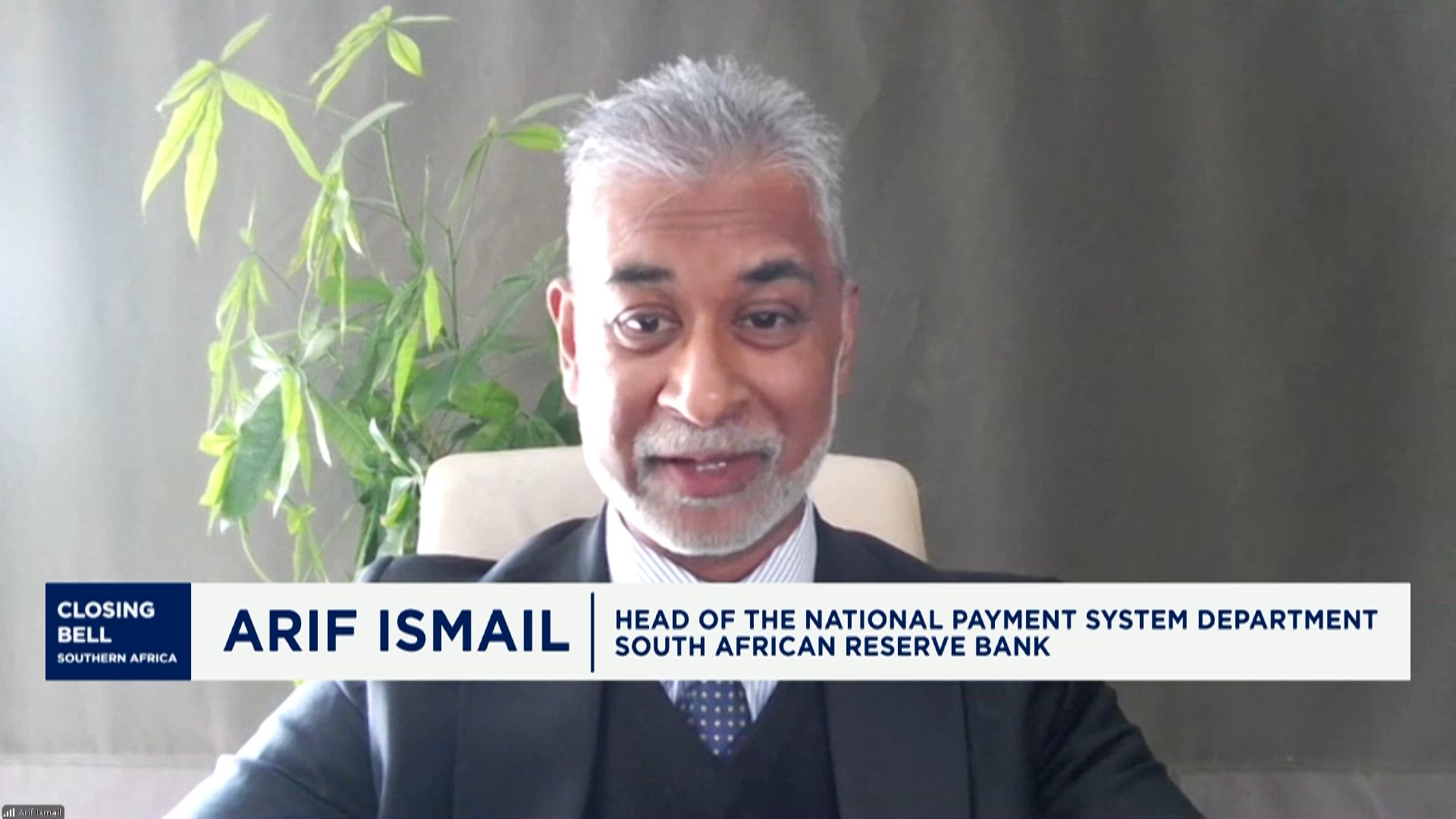
Arif Ishmael, head of the National Payment System Department at the South African Reserve Bank, said the inclusion was significant because it turns the platform into a “truly multi-currency” regional settlement system.
“It matters because it shows that onboarding other currencies can be done,” Ishmael said in a CNBC Africa interview. He said the legal, technical and operational framework for broader currency participation is now in place.
In practical terms, Ishmael said the change should help reduce unnecessary foreign-exchange conversions and better align the region’s payments infrastructure with African trade flows. He said the shift supports regional trade by cutting one source of friction in cross-border settlement.
The move could also serve as a template for wider currency inclusion across the 15-country SADC bloc. Ishmael said central bank governors in the region had previously agreed that additional currencies would be onboarded over time.
SARB is already working with Botswana to add the pula and with Mozambique to add the metical, he said. Ishmael also said eight countries have volunteered to interconnect their faster payment systems with the regional hub known as TCIB, or Transactions Cleared on an Immediate Basis.
For countries outside the Common Monetary Area, including Mauritius, Tanzania, Zambia and Zimbabwe, there are also plans to onboard local currencies for lower-value transactions such as remittances, according to Ishmael.
That could have a direct effect on the cost and speed of sending money across borders, particularly for migrant workers and diaspora communities. Ishmael said enabling local-currency settlement for smaller payments could deliver “significant benefit” for people sending remittances across the region.
The order in which currencies join the system will not be arbitrary, he said. Instead, it will depend on whether a country meets legal, technical and operational requirements and whether domestic authorities are ready to participate.
“It’s really important that the country in itself is ready and wants to join the SADC RTGS,” Ishmael said. That readiness includes internal systems, policy alignment and approval from central bank governors, he added.
He also pointed to a timetable set at SADC level that could accelerate the pace of integration. Governors have directed that faster payment systems across participating countries should be interconnected by October next year, creating added pressure for the countries that have already volunteered to move ahead with onboarding.
For trade, the implications are meaningful, even if they are not immediate. Ishmael said payment systems do not create trade on their own, but weak payments infrastructure can make cross-border commerce slower, costlier and less attractive.
By allowing settlement in kwanza, the system reduces one obstacle for companies trading with Angola, he said. From South Africa’s perspective, he noted that trade ties are already substantial, with about $800 million in imports involving Angola, while other key corridors include Namibia, Zambia and the Democratic Republic of Congo.
As commercial links deepen in logistics, energy, mining services, consumer goods and construction inputs, the benefits of smoother payment rails could become more visible. Ishmael cautioned, however, that transaction volumes are unlikely to change overnight.
“The point is that the payment infrastructure should be ready as the trade grows,” he said.
SARB’s broader vision for regional integration extends beyond high-value corporate and bank payments. Ishmael said the central bank sees a dual-track future for payments: one for large-value transactions, including the settlement of securities and bonds across the region, and another for low-value retail transfers.
On the retail side, he said the goal is to make cross-border payments as simple as sending a text message. A worker in South Africa should be able to send money home to Malawi immediately, cheaply and intuitively, he said.
The ambition also stretches beyond Southern Africa. Ishmael said SARB wants regional payment hubs across the continent to connect so that transactions can move across Africa in seconds.
“The dream is to connect north, south, east, west, and center,” he said. “You should be able to send a transaction from South Africa to Egypt in a matter of seconds.”
Still, several gaps remain before that vision is fully realized. Ishmael said legal and regulatory harmonization is one of the biggest challenges facing deeper cross-border payments integration.
Countries often use different balance-of-payments codes for similar transaction types and can apply different rules for identifying customers in lower-value transfers. Aligning those standards will be necessary to make regional systems work seamlessly, he said.
Another challenge is the settlement model itself. Ishmael said policymakers are still working on structures that can reduce friction, including the foreign-exchange conversion costs that often weigh on cross-border payments.
On the technology side, he struck a more confident tone. Ishmael said infrastructure is “probably the least of our concerns,” citing both the SADC-RTGS settlement engine and the TCIB faster-payments hub as strong foundations for the region.
The next step, he said, is to ensure those systems work in tandem to deliver cheaper, faster, more transparent and more accessible payments. That coordination is likely to shape how quickly more currencies join the platform and how effectively Southern Africa can move toward its broader goal of continental financial integration.
Credit: Source link
Comments are closed.