

Saving Lives in Sierra Leone (SLiSL) III Consortium Programme
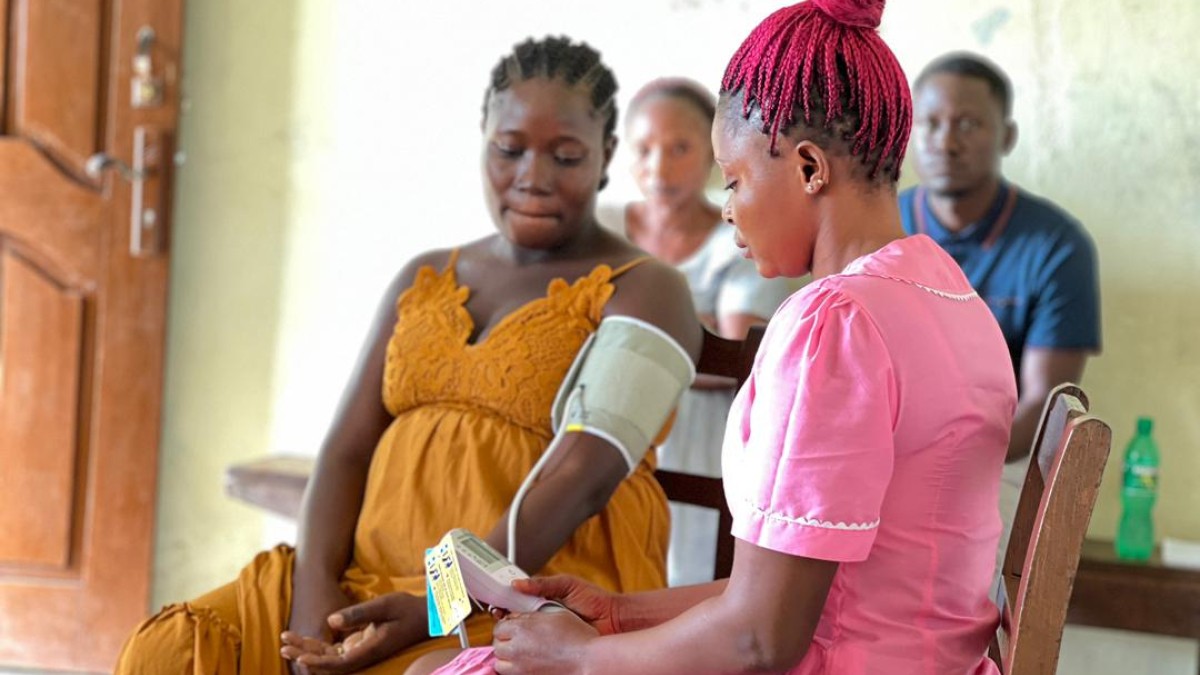
Sierra Leone has seen sharp declines in maternal mortality, from 1,682 per 100,000 live births in 2000 to 354 in 2023, a 79% reduction, but it remains well above its goal of under 300 by end 2025 (UNFPA). Skilled birth attendance exceeds 90%, and over 85% of the population lives within 5 km of a health facility, yet gaps in quality of care and referral systems persist.
In recent years, the Ministry of Health and Sanitation (MOH) has worked to strengthen pregnancy monitoring, through trainings and policy reviews such as the Nurse & Midwifery Strategy (2025-2030) which aims to grow midwifery and obstetric surgical capacity. Despite this, the country’s health workforce remains overstretched, unevenly distributed, and limited in critical skills. Some districts faced severe shortages of medical officers and surgical staff, impacting patient care, emergency responses, and referral systems. Additionally, the persistent lack of essential equipment in health facilities undermines quality health service delivery.
Adolescent health remains a high concern; roughly 30% of girls become pregnant before age 18. Teenage pregnancy rates, early marriage, and unsafe abortions, which account for around 10% of maternal deaths are persistent drivers of adolescent mortality and morbidity. Although adolescent‐friendly services are expanding regionally, comprehensive adolescent needs; mental health, nutrition, schooling, safe abortion access, remain under resourced, with weak coordination and insufficient financing.
- Between 2017–2018, SLiSL‑1 (Saving Lives in Sierra Leone Phase 1), implemented through FCDO and the UNFPA-led consortium, focused on strengthening the health workforce management system. A major achievement was the launch of the HRHSL digital platform for real‑time monitoring of health worker attendance and payroll. This effort enabled the MOH to identify and remove ‘ghost’ workers, saving and freeing up resources for service delivery.
- SLiSL‑2, which ran from 2018 to 2023, aimed to reduce maternal, neonatal, child and adolescent mortality by 25 %, by improving access to free health care, family planning, nutrition, emergency referrals, service quality, and disease surveillance. The programme increased RMNCAH service utilization, expanded adolescent sexual and reproductive health access, and strengthened health systems and emergency preparedness.
Notwithstanding these achievements, key priorities for the MOH include closing quality‐of‐care gaps, scaling adolescent‐specific services, ensuring availability of contraception, continuing community engagement, strengthening data systems, and sustaining policy implementation.
On this basis, SLiSL-3 was conceptualised as a whole-of-system approach focused on district level implementation to strengthen the health system and improve the quality of health service delivery.
Credit: Source link
Comments are closed.