

Russia’s ‘grey zone’ surge shifts North Atlantic battleground beyond sea lanes
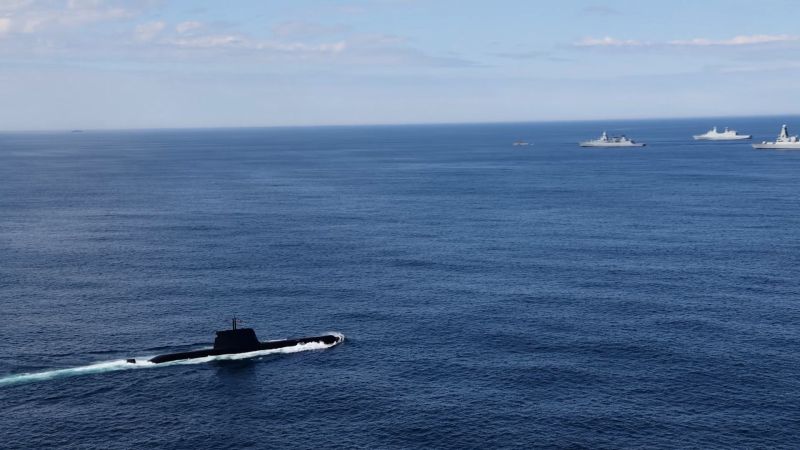
Keeping sea lines of communication open in times of war is not the sole concern of those responsible for maritime security across Nato.
Unlike the Second World War, when confrontation in the North Atlantic revolved around supply, nowadays those responsible for securing the High North have more modern concerns around the protection of critical infrastructure, such as fibre-optic cables and energy pipelines.
It is why Nato maintains standing maritime forces across its area of influence, including in the Mediterranean and North Atlantic-Baltic Sea region.
BFBS Forces News travelled to Reykjavik, Iceland, to spend time with one such task force, known as Standing Nato Maritime Group One, or SNMG1 for short.
There, we met the outgoing British commander who has, for the past four months, led a flotilla of warships from as far west as the US’s eastern seaboard, to patrolling the freezing waters of the Baltic Sea.
“We’ve been contributing to what’s called ‘Enhanced Vigilance Activity Arctic Sentry’,” said Commodore Maryla Ingham, who was in charge of SNMG1 until last week.
“Now that’s a bit of a mouthful, but what does it actually mean? Well, it’s a Nato-wide agreed vigilance activity that brings air, land and sea together to enhance security by showing presence.”
Risk to gas and electric bills
Cdre Ingham, who is the first female officer to have held five separate commands in the Royal Navy’s 366-year history, said that because of how connected the modern world is, nefarious activities by state players including Russia can have a detrimental impact on our way of life.
“There have been instances, some which are unattributable, some which are attributable, that have occurred against critical undersea infrastructure,” she said.
The commodore added: “Everybody in the UK knows how important energy prices are when they see their electricity bill, or their gas bill. So, by keeping those flows moving, that helps people at home and our wider security.”
We are, according to the commodore, vastly dependent on undersea cables for our connectivity to the internet. She warned that it could all be severed by bad actors operating in places like the North Atlantic, something of significant concern to Nato.
“I think there’s a misconception that all of our information comes out of the sky, but 97% of the internet comes under the sea,” Cdre Ingham explained.
“So, whether you’re trying to do a banking transaction, watch something on YouTube or play a game on your phone, the likelihood is that information has come under the sea.”
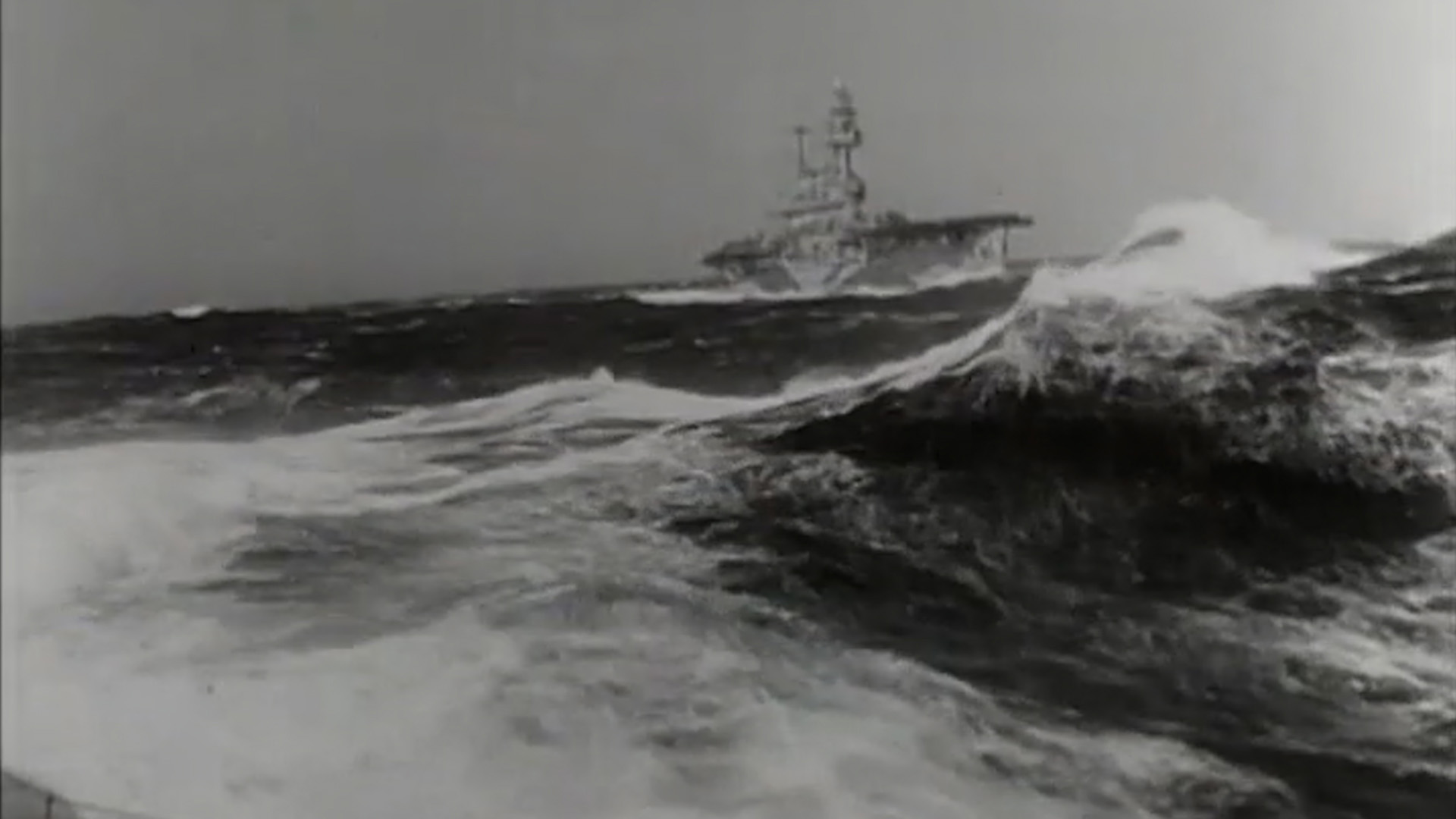
Supply, of course, remains a major worry, particularly in times of conflict.
In the Second World War, ‘the convoys’ across the Atlantic acted as a lifeline for Britain – feeding the population and arming the Armed Forces. In a modern conflict, supply chains across the ocean would still prove vital, and so would their security.
But it is not just a concern in times of war. Cdre Ingham said that the world’s economies needed to have unfettered access to international waters – all the time – and that climate change was bringing new concerns to those charged with keeping sea routes free and open.
“Northern sea routes are opening up with climate change. They are economically important,” she said.
“We’ve seen a growth in Russian interests in that area with the opening up of old Soviet-era bases. And we’ve seen China declare themselves as a ‘near Arctic partner’.
“We’re very interested in keeping those sea lines of communication free and open for everybody – because everybody’s economies generally rely on the movement of goods by sea.”
How easy is it to spot a Russian submarine? The answer: not very
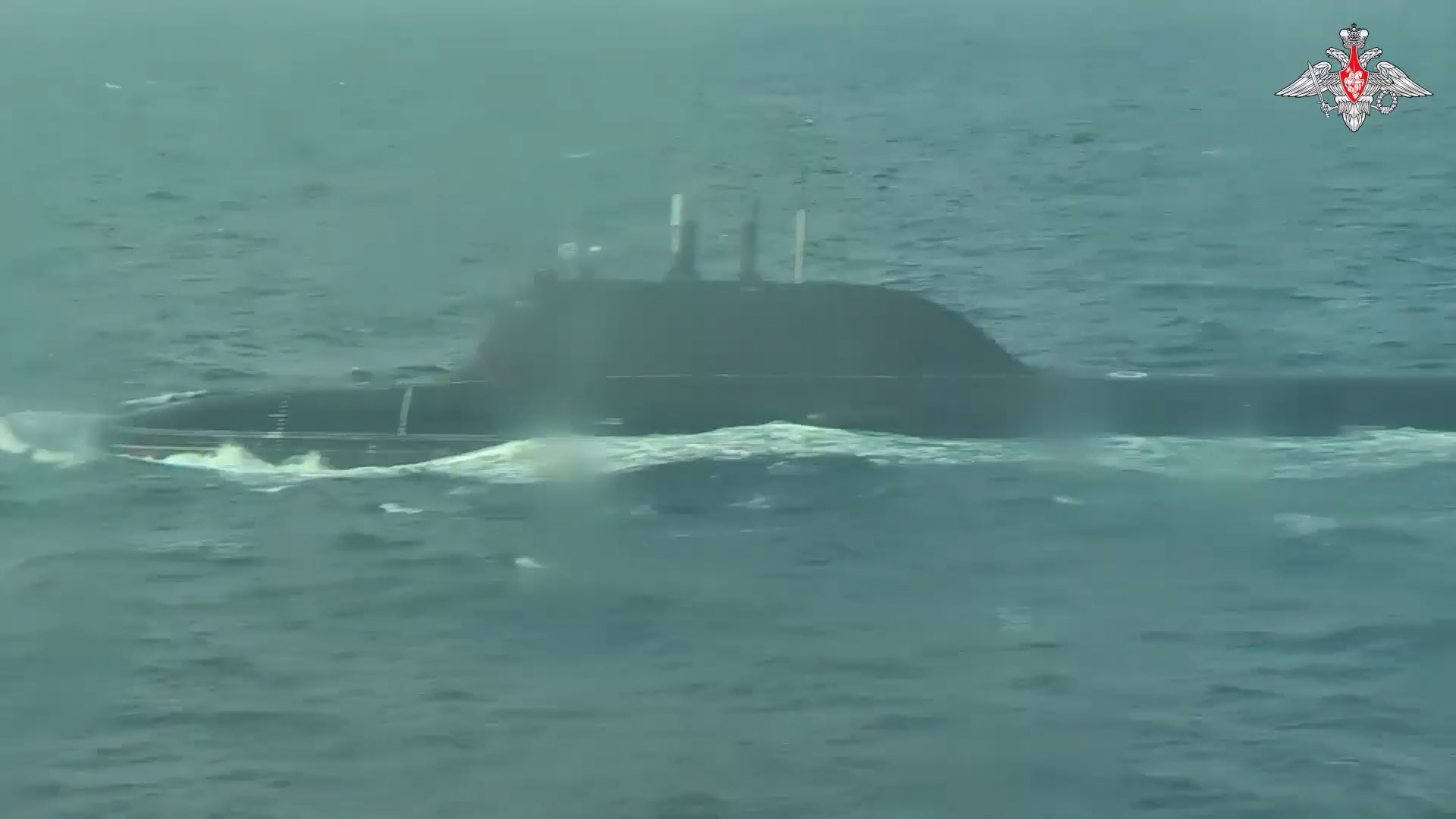
If then, Russia is interested in monitoring this space – particularly around what’s commonly known as the Greenland-Iceland-UK (GIUK) gap – how capable is SNMG1 of detecting their submarines, lurking below the ocean surface?
“I won’t go into operational specifics on this,” Cdre Ingham said, but “what I would say is, that as an alliance, we have multiple sources of information.”
She added: “There are a lot of clever systems, made by a lot of clever people. What normally happens is that you see them sail, and then who knows where they go. That’s why they’re called the silent service.
“And that’s why our submarine service protects our continuous at-sea nuclear deterrent… because no one knows where they are.”
The commanding of SNMG1 is a responsibility shared across Nato, meaning it might be some years before the Royal Navy is tasked with providing another Cdre Ingham-type senior figure to act as its boss.
She has now left the post, with the UK passing the baton to a senior figure in the French navy. Cdre Ingham said that alongside seeing some incredible places during her tenure, making new friends from across the alliance has been the highlight of her time in charge.
For SNMG1, it’s back to keeping the North Atlantic secure – and online.
Join Our Newsletter


Comments are closed.