

Russian Lavrov targets Meloni as Moscow looms over Italy’s election debate
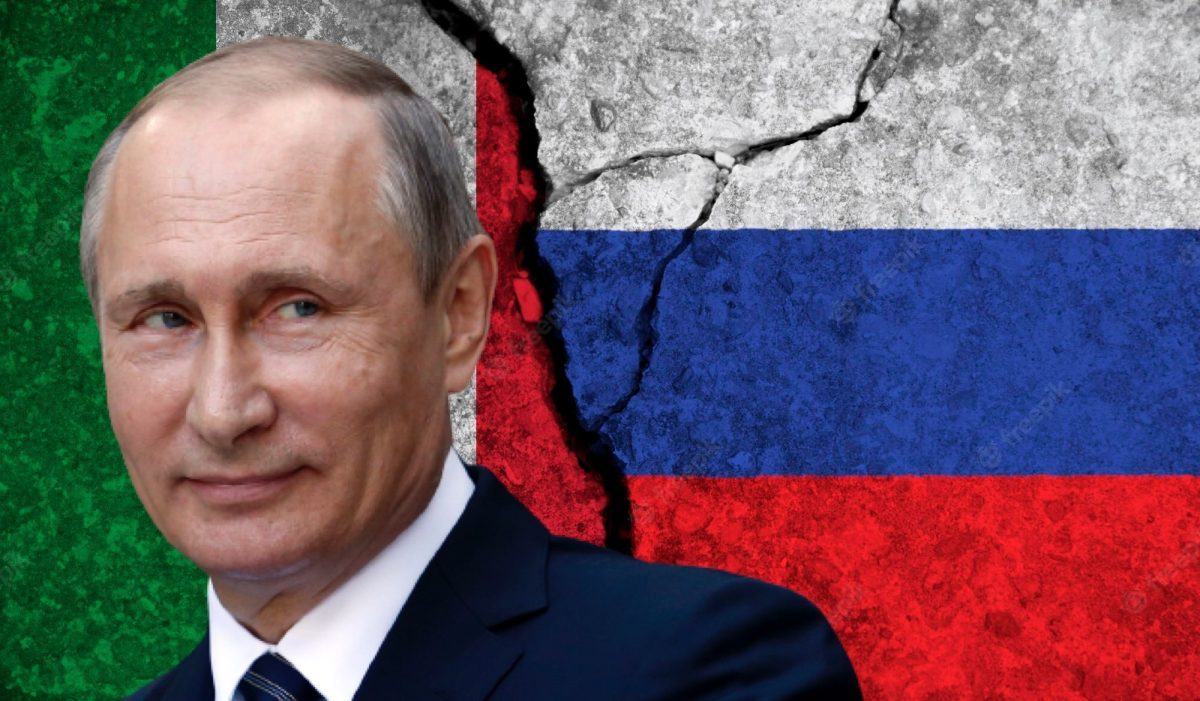
Russian Foreign Minister Sergey Lavrov has launched an unusually direct attack on Italian Prime Minister Giorgia Meloni, singling her out on one of Russian state television’s flagship political programs as Moscow’s rhetoric lands on a fault line already running through Italy’s pre-election debate
Russian FM Sergey Lavrov directly attacked Italian Prime Minister Giorgia Meloni on Russian state TV, highlighting her as a target amid Moscow’s rhetoric and Italy’s pre-election debate.
Why it matters: Italy has remained firmly aligned with the EU and the United States on sanctions against Russia and military assistance to Ukraine under Meloni, despite more Russia-friendly impulses within parts of her governing coalition.
- With Italy due to hold a general election in less than a year, Russia and the war in Ukraine are also increasingly sensitive issues across the Italian political spectrum — from tensions between the Democratic Party and the Five Star Movement on the center-left to the rise of Roberto Vannacci’s movement on the far right.
What Lavrov said. Speaking on Russian state television, Lavrov initially grouped Meloni with Finnish President Alexander Stubb among European leaders who, he said, are beginning to call for an immediate ceasefire in Ukraine.
- But the apparent acknowledgment quickly turned into an attack.
- Lavrov said Meloni had called for a truce while maintaining that, once fighting stopped, Italy would not recognize Russian control over occupied Ukrainian territory. He then broadened his criticism to Italy itself, invoking its position during World War II and accusing former Prime Minister Mario Draghi of having “betrayed” what Lavrov described as Italy’s earlier approach toward Russia.
- He also explicitly pointed to Meloni’s repeated support for Kyiv.
Between the lines: The choice of Meloni matters.
- Her coalition contains the League, a party where more positive views toward Moscow have persisted. But Meloni herself has kept Italy anchored to the Western response to Russia’s full-scale invasion: following the EU’s sanctions line and maintaining military assistance to Ukraine alongside Italy’s allies.
- Lavrov’s intervention therefore targets the person ultimately responsible for keeping a politically heterogeneous governing coalition on that course.
The background: Lavrov’s comments come as foreign policy is becoming part of Italy’s domestic political contest ahead of the next general election.
- On the center-left, differences over Ukraine and Russia have exposed tensions between the Democratic Party and the Five Star Movement. On the opposite side, Vannacci’s ultra-right movement is tapping into broader distrust of Italy’s political establishment.
- In both cases, the war — and the question of Italy’s relationship with Russia — provides a politically sensitive dividing line.
Zoom out: Finland. Lavrov’s decision to place Meloni alongside Stubb widens the significance of the attack.
- Finland abandoned decades of military non-alignment and joined NATO following Russia’s full-scale invasion of Ukraine, while softer positions toward Moscow remain part of its domestic political landscape.
- Lavrov accused both countries of demanding that Russia stop fighting without accepting the territorial consequences Moscow seeks from the war.
- The pairing points to a broader Russian narrative aimed at European countries where governments have moved firmly into the Western camp even as internal political constituencies remain more open to Moscow.
The election angle. The timing matters. By attacking Meloni personally — rather than simply criticizing Italy’s Ukraine policy — Lavrov is inserting Moscow’s voice into an argument that already exists inside Italian politics: whether Rome should maintain its current approach toward Russia and the war, or seek a different relationship with Moscow.
- For Moscow, the immediate policy debate may matter less than what comes after the election. Italy is unlikely to shift the course it has followed since February 2022 under the current government. The longer-term opportunity is to shape now the public debate — and, where possible, steer voters toward a future parliamentary class more open to engagement with Russia.
The bottom line: Lavrov’s attack highlights the paradox in Moscow’s relationship with Italy: Russia can still identify political forces receptive to a softer approach, but Meloni has so far kept Rome firmly on the Western line.
- With an election approaching, that gap between Italy’s internal political debate and its government’s foreign policy is becoming increasingly consequential.
Comments are closed.