

Researchers ground waste oyster shells into acidic Nigerian farmland; the calcium-rich powder neutralised the soil and increased groundnut yield by up to 100% |
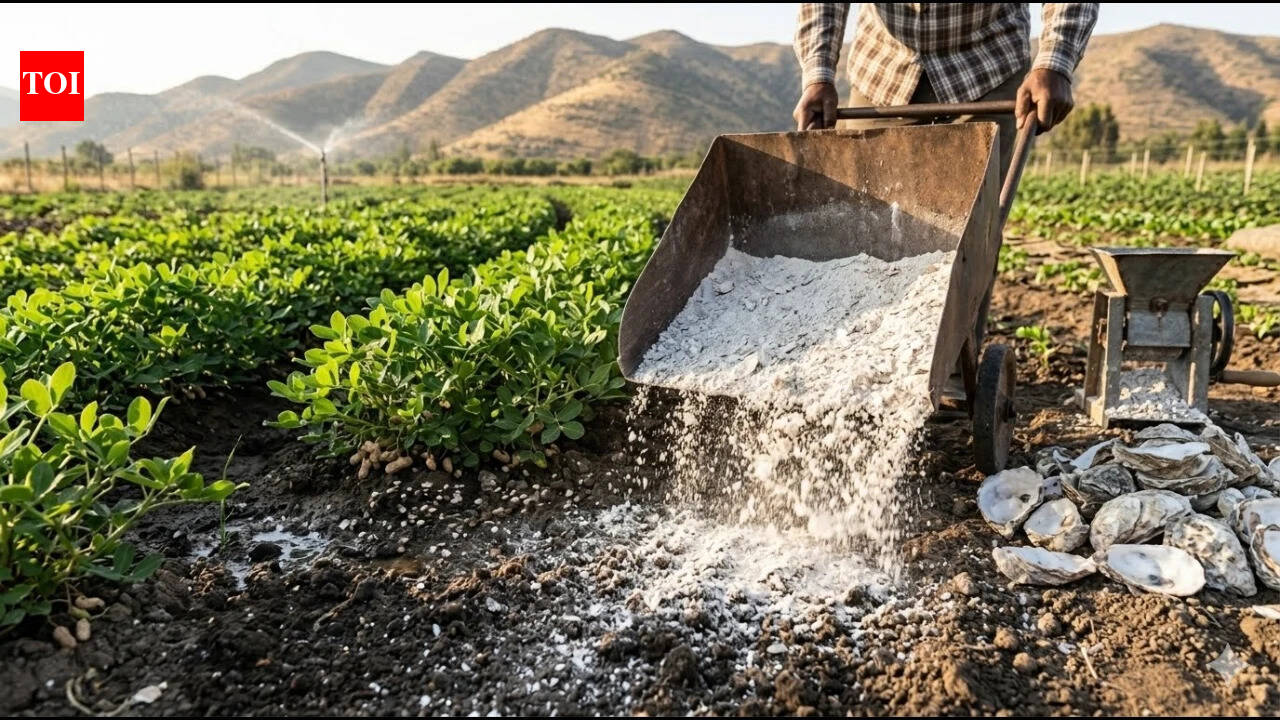
A waste product from oyster harvesting is finding a second life on farmland in West Africa. Instead of being dumped after the edible meat is removed, oyster shells can be crushed into a calcium-rich powder and worked into acidic soils, where they act much like agricultural lime. The approach is attracting interest in The Gambia, where highly acidic farmland can limit crop growth and where groundnuts, one of the country’s most important crops, are particularly vulnerable to poor soil conditions.Oyster shells are largely composed of calcium carbonate, the same basic compound that makes limestone useful for raising soil pH. In The Gambia, researchers are testing how much shell material is needed to correct acidity without using more than necessary. The project is also exploring whether the approach could connect oyster harvesters and farmers, turning a disposal problem into an agricultural input.Why acidic soil is a problemAccording to the Experiment project, Improving Soil Health with Oyster Industry ‘Waste’”, agricultural soils in The Gambia are highly acidic, with pH levels below 5. Such acidity reduces the availability of nutrients to plants and can make soils less responsive to fertiliser and other inputs, limiting yields. Conventional limestone is commonly used to raise soil pH, but the project notes that it is not widely available in The Gambia. That is where oyster shells become useful. Once crushed, their calcium-rich material can help neutralise soil acidity and raise pH. The project is investigating how much oyster-shell meal is needed to improve soil conditions for groundnut cultivation. Unlike a manufactured soil amendment that has to be transported from elsewhere, oyster shells are locally plentiful in coastal communities where oysters are harvested.According to the Journal of Soil Science and Environmental Management, a greenhouse experiment in south-eastern Nigeria tested six application rates of ground oyster shell on groundnut grown in degraded soil. The researchers found that oyster-shell application affected root development and several soil properties. Higher application rates were strongly associated with increased soil calcium and lower total exchangeable acidity, suggesting that the calcium-rich waste could help improve acidic soils used for groundnut cultivation. The Nigerian work is particularly relevant because it involved groundnut, the same crop targeted in the Gambian project. But it is important not to treat the results as proof that every farm will achieve the same yield increase. Soil chemistry, shell composition, application rate, rainfall and crop management can all change the outcome.From shell waste to crop inputThe Gambian project builds on that earlier evidence by testing practical application rates. Researchers and farmers are testing different quantities of ground oyster shell across several farming areas, while monitoring soil pH and crop yields. The aim is not simply to demonstrate that shells can alter soil chemistry, but to determine how much material is needed to produce a useful agricultural response. That matters because higher application rates are not always more effective. Applying a soil amendment at an unnecessarily high rate can increase costs and alter soil chemistry beyond the desired range. Finding an effective rate is therefore central to making the idea practical for farmers.There is also a wider waste-management argument. Oyster harvesting produces large quantities of shells that have little immediate value once the meat has been removed, and discarded shells can accumulate around processing areas in coastal communities. Using them on farmland could reduce disposal volumes while returning calcium and carbonate compounds to soils. Earlier field research also offers some support for the approach. A study published in Frontiers in Plant Science examined oyster-shell powder in acidic red soil used to grow peanuts in Jinxian County, Jiangxi Province, China. The five-year experiment, conducted from 2013 to 2018, found that applications of 750, 1,500 and 2,250 kg per hectare raised soil pH by up to 0.65 units and reduced exchangeable hydrogen and aluminium.The same study reported peanut yields 5.55% to 37.01% higher than in plots receiving chemical fertiliser alone, with the largest increase at the highest application rate. However, the findings are best treated as supporting evidence rather than a direct guide to the current work in The Gambia. The Chinese experiment involved acidic red soils, controlled application rates and a five-year cropping period, while West African farms face different climates, soils and management practices. The results show that oyster-shell amendments can improve acidic soils under certain conditions, but local field testing is needed to determine whether similar benefits occur in The Gambia.
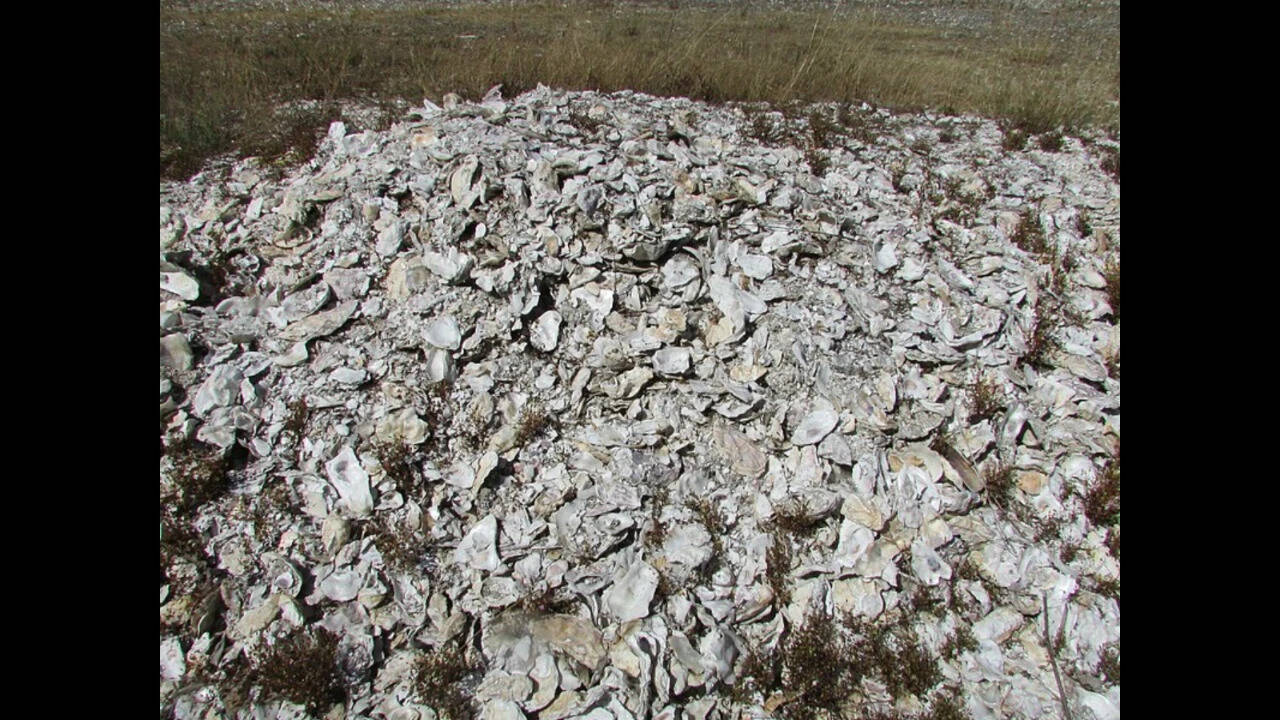
Oyster shells can be crushed into a calcium-rich powder. Image Credits: Wikimedia Commons.
A small waste stream with a larger purposeFor farmers, crushed oyster shells could provide a locally available source of calcium and an alternative to conventional liming materials, particularly where those products are costly or difficult to obtain. For oyster harvesters, the shells could become a useful agricultural resource rather than a disposal problem.Its success, however, will depend on the cost of collecting and processing the shells, transporting them to farms and achieving consistent results in the field. The approach offers a simple circular solution: a waste material from coastal communities could be returned to farmland as a source of calcium, giving discarded oyster shells a potential second life while helping to address soil acidity.
Credit: Source link