

Police fire tear gas to break up DR Congo protests

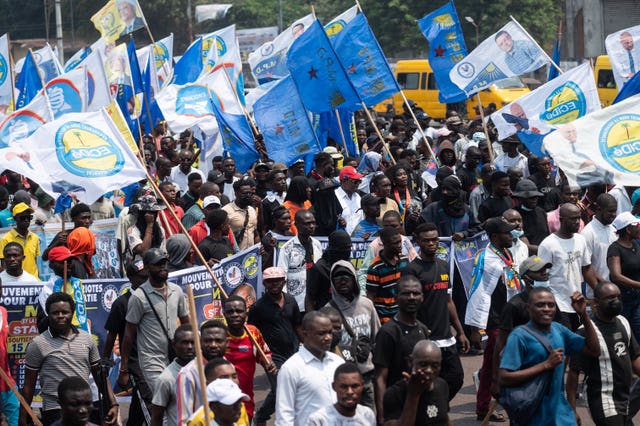
The opposition coalition C64 organised demonstrations in the capital, Kinshasa, and several other cities, including Lubumbashi and Kindu in eastern DR Congo, despite restrictions on mass gatherings imposed due to the fast-spreading Ebola outbreak.
The protest in Kinshasa drew hundreds of people and began peacefully, but was dispersed by police with tear gas and warning shots after protesters clashed with pro-government supporters.
“The Congolese state is working with a political party militia,” said opposition leader Martin Fayulu. “God is great; I made it out alive. There was a massacre, and the police were firing at us.”
Congolese government spokesperson Patrick Muyaya condemned the opposition for disrupting activities by falsely claiming schools would be closed on Tuesday.
“The right to protest is recognised in the Constitution, but it must be exercised properly,” he said.
Police also dispersed a June rally in Kinshasa that C64 organised against the constitutional changes. Several people, including Mr Fayulu, were injured.
DR Congo is plagued by multiple crises, including an Ebola outbreak and an escalation of the decades-long conflict with the Rwanda-backed M23 rebels, one of more than 100 armed groups vying for control in the eastern provinces.
Mr Tshisekedi, 62, has been in office since 2019 and is due to complete his second five-year term in 2028. He has said he would be willing to seek a third term if approved by voters in a referendum.
The Congolese Constitution bars any revision of presidential term limits. However, a bill under consideration in the National Assembly, a lower chamber, would allow the president to amend those provisions in the event of a “major dysfunction” that paralyzes state institutions, potentially following a referendum.
The country’s main opposition parties, which have been divided in recent years, joined forces in May under the banner of C64, or Coalition Article 64, to oppose what they describe as an attempt by Mr Tshisekedi to remain in power.
The coalition has called the proposed changes a “serious threat” to the country’s stability.
Credit: Source link