

Poison in the Bottle: How Cuba’s Economic Crisis Fueled a Toxic and Deadly Bootleg Alcohol Trade
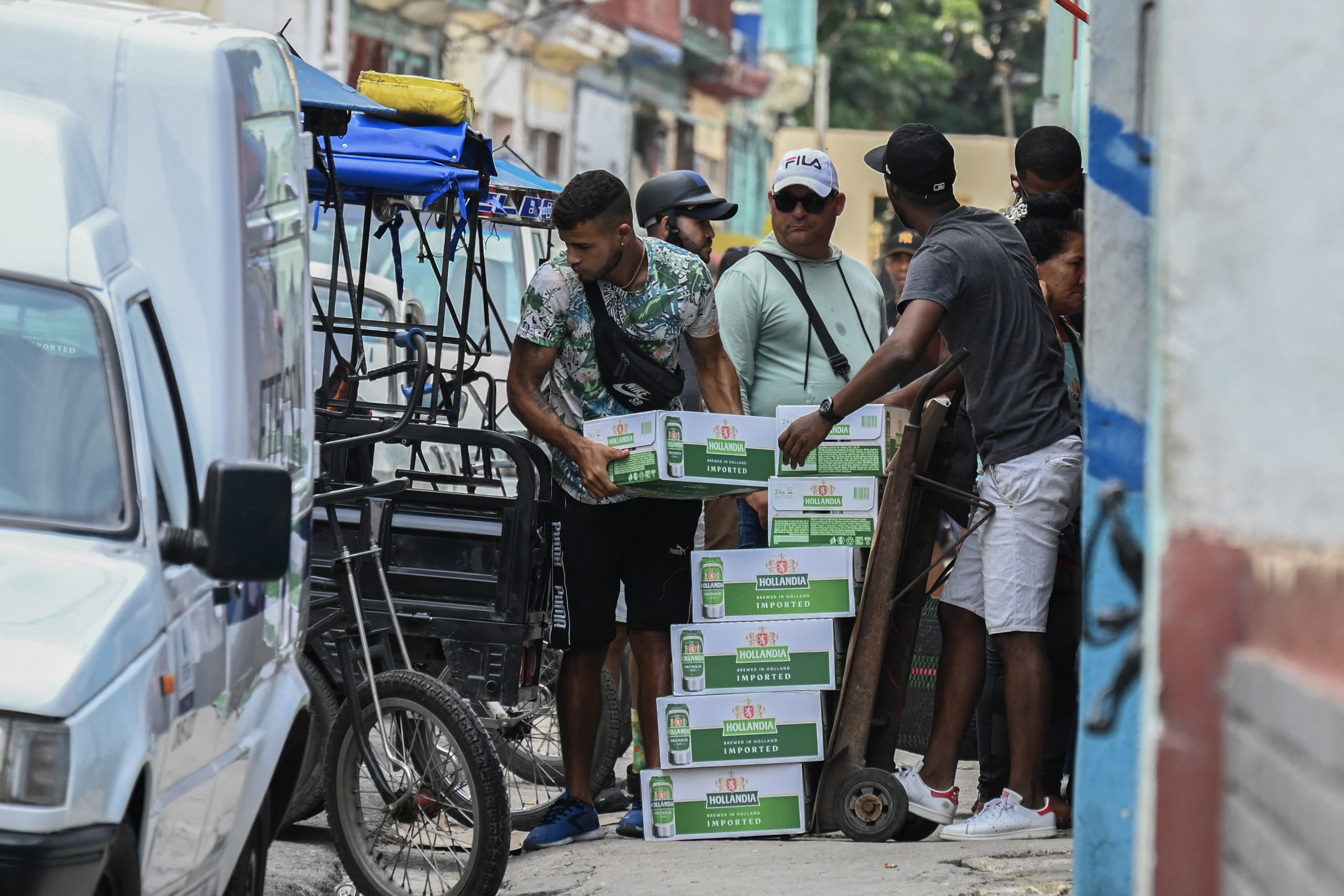
Photo by Yamil LAGE / AFP via Getty Images
Deepening financial hardship across Cuba has accelerated reliance on informal markets for basic goods, creating fertile ground for dangerous bootleg liquor. Rapid currency devaluation, rampant inflation, and severe shortages of official commodities have made legitimate, state-distilled rum unaffordable for millions of citizens. As prices in official retail stores soar beyond average monthly wages, consumers increasingly turn to illicit street vendors selling unverified concoctions packaged in recycled containers. While clandestine brewing has long existed as a shadowy byproduct of scarcity, health authorities warn that the current economic strain is pushing desperate buyers toward untested, highly dangerous alcohol substitutes.
Reporting from media outlets such as Reuters highlights how chronic supply deficits force low-income households into informal trading networks where quality control is non-existent. Clandestine distillers and street sellers operate outside regulatory oversight, often mixing industrial chemicals or stolen laboratory fluids to increase output and maximize profits. These unregulated beverages, frequently referred to in local parlance as “chispa de tren” or “alcohol de madera,” present grave toxicological risks that frequently end in emergency medical admissions.
The Lethal Chemistry of Methanol Contamination

TAYLOR fRIEHI /unsplash
The primary driver behind severe health crises involving adulterated alcohol is methyl alcohol, commonly known as methanol. Unlike ethanol, which is the consumable alcohol found in commercially produced spirits, methanol is a volatile industrial solvent used in antifreeze, varnish, and fuel processing. Unscrupulous black-market operators often dilute moonshine or substitute ethyl alcohol with stolen industrial methanol because it is inexpensive and visually indistinguishable from standard spirits. Because methanol possesses no distinct taste or scent that sets it apart from ordinary rum, consumers ingest the lethal agent without recognizing the danger.
According to clinical guidelines published by the Pan American Health Organization, methanol undergoes metabolic processing in the human liver via the alcohol dehydrogenase enzyme. This process converts the compound into formaldehyde and subsequently into formic acid, a highly potent cellular toxin. Formic acid inhibits mitochondrial respiration, causing severe systemic metabolic acidosis and rapidly starving vital organs of oxygen. The most vulnerable structures include the optic nerve, central nervous system, and renal tissue, often leading to permanent blindness, kidney failure, or death.
Emergency Response and Healthcare System Strain
When patients arrive at medical facilities after consuming contaminated liquor, they typically display symptoms ranging from intense abdominal pain and violent vomiting to sudden visual disturbances, such as blurred vision or photophobia. In severe cases, rapid neurological degradation leads to deep coma, metabolic collapse, and respiratory arrest. Emergency medical personnel in Cuba frequently face extreme logistical challenges when treating mass poisoning events, operating under severe material constraints that complicate critical care.
Surges in toxic hospitalizations place significant burdens on regional clinics. Documentation from coverage by El Nuevo Herald demonstrates how frontline physicians must manage influxes of critically ill patients while struggling against nationwide medical shortages. High-end pharmacological antidotes like fomepizole are exceedingly rare across public health networks in developing regions. Consequently, clinical staff rely on specialized treatment protocols established by the Cuban Ministry of Public Health, known as MINSAP, which involve administering controlled doses of therapeutic ethanol alongside intravenous sodium bicarbonate to correct metabolic acidosis and slow toxic conversion.
Historical Precedents and Recurring Vulnerabilities
Mass toxic poisonings from adulterated spirits are not novel occurrences in the island’s recent history. The most severe documented health emergency of this nature took place when stolen industrial methanol entered black-market distribution networks in Havana, causing eleven fatalities and dozens of severe hospitalizations. State security forces and health officials subsequently traced the source to laboratory workers who had illegally diverted industrial solvents into informal commercial channels. Official statements published on state media portals like Cubadebate detailed legal prosecutions and extensive law enforcement operations aimed at dismantling clandestine bottling rings in residential areas.
This historic emergency drew chilling parallels to the severe economic hardships of the 1990s, universally remembered as the “Special Period.” During that decade of profound isolation and resource scarcity, widespread shortages similarly drove citizens toward hazardous homemade brews and repurposed industrial fluids. The persistence of bootlegging highlights a systemic vulnerability: whenever basic consumer goods become unattainable through legal avenues, shadow markets step in to fill the vacuum, exposing vulnerable populations to severe health hazards.
Law Enforcement Crackdowns and Educational Campaigns
In response to recurring public health risks, government ministries routinely coordinate law enforcement raids and public awareness campaigns. Police operations focus on seizing illicit distilling apparatuses, intercepting illegal transport of industrial solvents, and shutting down unauthorized street vendors selling unsealed spirits. Simultaneously, state broadcast media and public health agencies disseminate warnings urging citizens to inspect alcohol packaging for intact seals, official tax stamps, and proper labeling before consumption.
Despite these public health alerts and security interventions, community advocates emphasize that police crackdowns address symptoms rather than root causes. As long as hyperinflation and supply deficits restrict access to affordable, regulated goods, low-income citizens will remain vulnerable to bootleg vendors. Preventing future chemical poisonings requires long-term economic stabilization, consistent commercial supply chains, and robust regulatory oversight across the national beverage market.
© {{Year}} Latin Times. All rights reserved. Do not reproduce without permission.
Comments are closed.