

Outbreak spreads to 6th Congo province
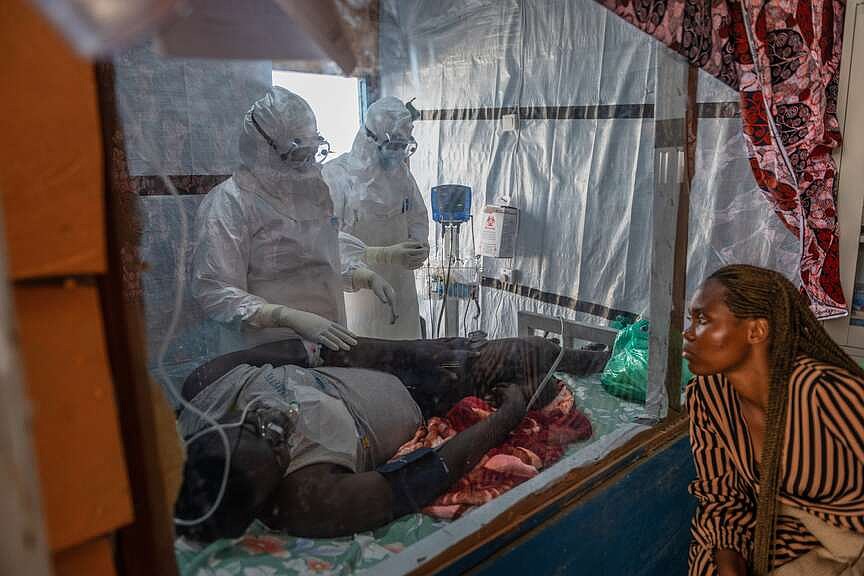
KINSHASA, Congo — Congo’s Ebola outbreak has spread to a sixth province after a death was recorded in the previously unaffected Bas-Uele province, the head of Africa Centres for Disease Control said Thursday.
The man died in Buta, the capital of Bas-Uele, after traveling there from Isiro in Haut-Uele province, said Jean Kaseya, director general of Africa’s CDC.
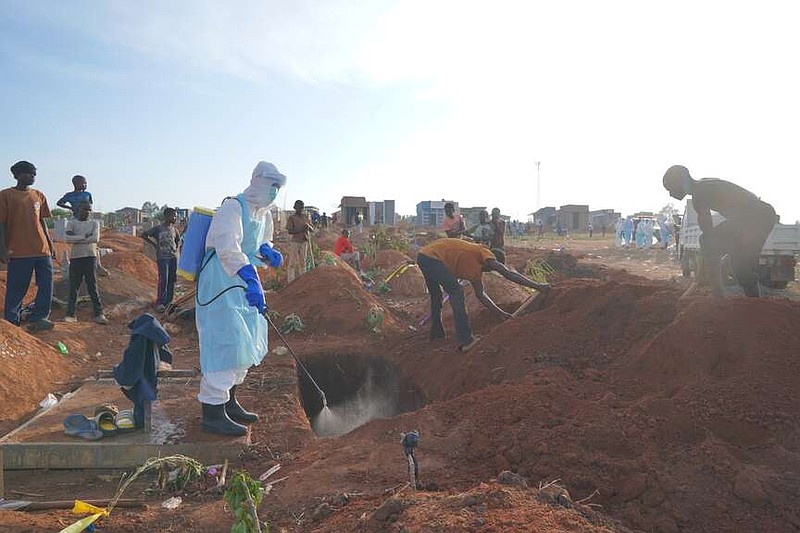
He was a motorcycle-taxi driver who had sought treatment at several hospitals before he died, said Jean-Jacques Muyembe, head of Congo’s National Institute for Biomedical Research. His colleagues tried to forcibly take his dead body, prompting police intervention and concerns that more people may have been exposed to the virus, Muyembe added.
The outbreak in eastern Congo, considered the fastest-growing one yet, is on track to surpass the deadliest one in history, which broke out over a decade ago and killed over 11,000 people, the World Health Organization said Wednesday. There are no approved vaccines or treatments for the rare Bundibugyo virus responsible for the current outbreak.
It has killed over 2,100 people out of more than 4,500 cases, according to the latest government figures. This death toll has been reached almost three times faster than in the 2014-16 Ebola outbreak in West Africa — the worst in history.
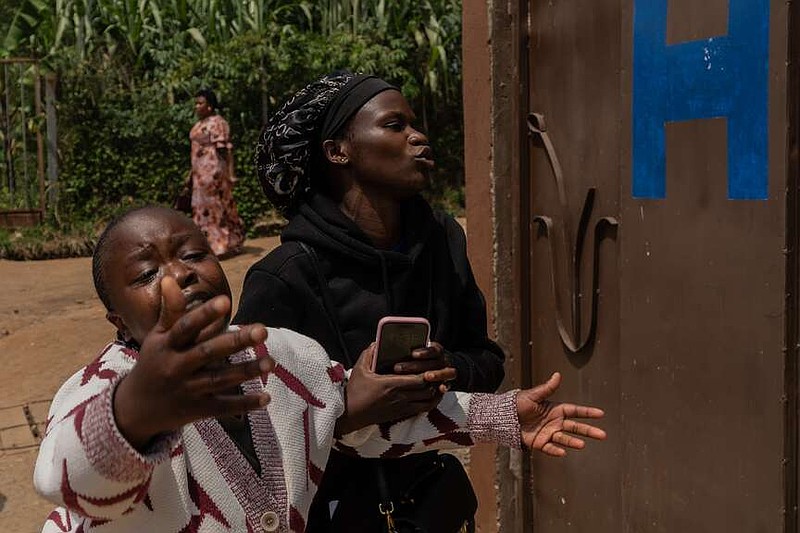
The outbreak is unfolding in some of the most challenging conditions imaginable, with strikes by some unpaid health workers, threats by rebel groups, anger from long-traumatized communities and misinformation asserting Ebola isn’t real.
Bas-Uele is a vast province in northeastern Congo that borders the Central African Republic, where there is recurring armed violence that has forced thousands to flee and take refuge in the province. Access can be difficult because of bad and poorly connected roads as well as limited communication networks, and there are frequent population movements related to gold mining and displacement from conflict.
As of Thursday, six of Congo’s 26 provinces have been affected. About 90% of all cases and 80% of deaths are concentrated in Ituri province, the WHO said Wednesday.
Mercy Corps, an aid group, warned Thursday that Ebola cases have been reported along a major travel route about 22 miles from Congo’s border with South Sudan, expressing concern over the outbreak’s “widening footprint.” No cases have been confirmed in South Sudan so far.
Meanwhile, health workers at the Nizi Treatment Center in Ituri province, one of the most affected in the area, went on strike Thursday, leading to the temporary closure of the center after they said they have not been paid for three months.
Kaseya on Thursday called on the Congolese government to pay the outstanding salaries.
The real scope of the outbreak remains unknown. It was declared May 15, but the WHO now says sequencing showed it began months earlier, in February.
Health authorities have said between 60% and 70% of new cases are recorded outside contacts being monitored, and that the disease is spreading at an “alarming” rate. Contact tracing helps break chains of transmission by finding exposed people early and reacting quickly if they show symptoms.
Two vaccines developed specifically for the Bundibugyo virus are now being tested in people for the first time, the WHO said Wednesday.
Credit: Source link