

Morocco approves new legal framework for more secure biometric passport
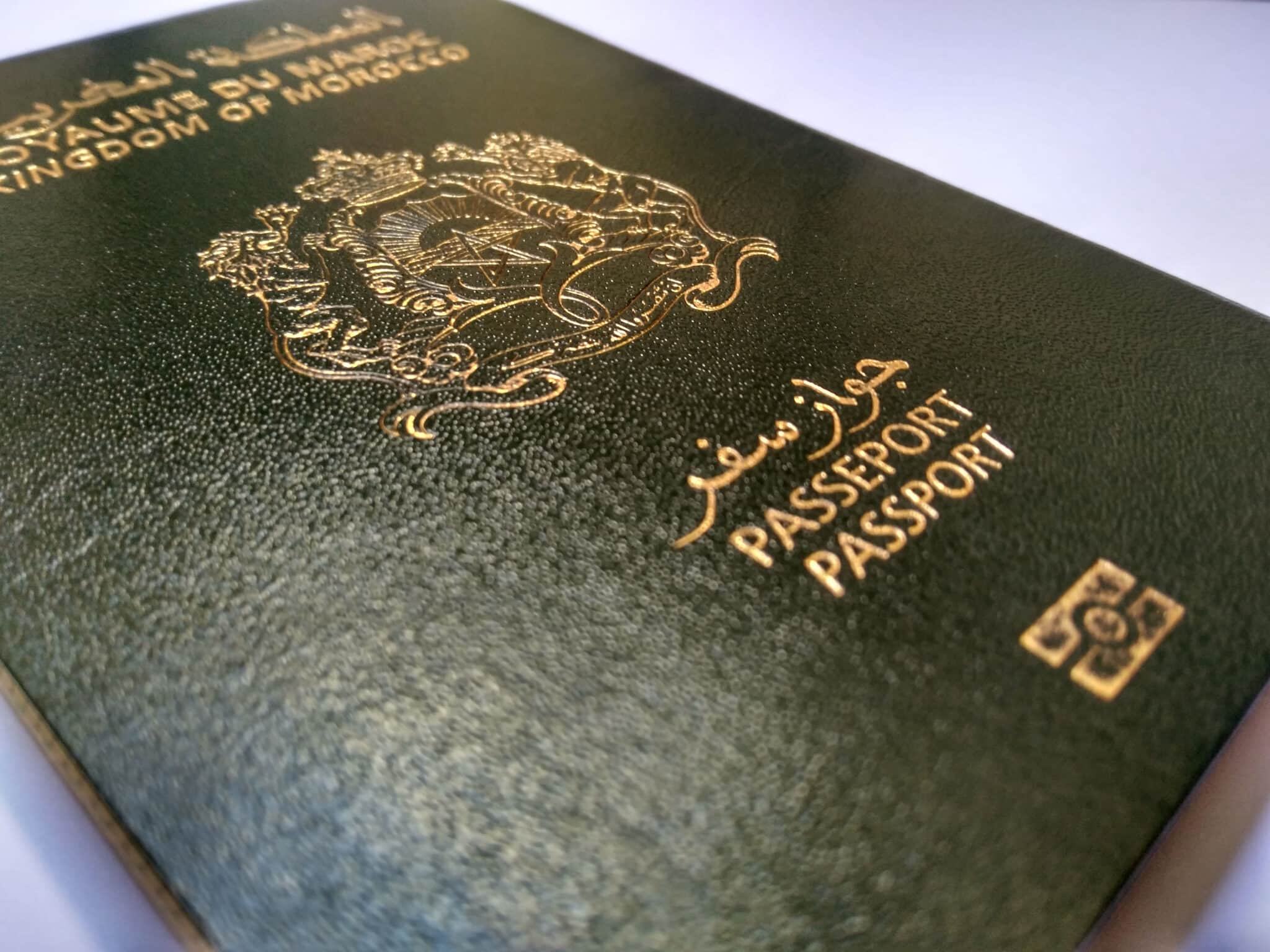
The Moroccan government council has given its greenlight to a decree that outlines a litany of new rules for the issuance of biometric passports. The decree was among several other government texts approved during a meeting on July 9.
The decree strengthens the security of the country’s passport, introduces a new language (Amazigh) among four now used in the passport, and also terminates what used to be known as temporary passports.
In line with security, there’s the introduction of a secure photograph that will be placed on the handwritten signature page, a chip which will contain encrypted biometric data of the holder in line with standards of the International Civil Aviation Organization (ICAO), and removal of residential address from the biodata page as part of efforts to enhance privacy. The security features, authorities say, will make it difficult to forge or tamper with the passport.
An exception in the old passport law of 2008 which allowed minors applying for passports to get a national digital identity card through the General Directorate of National Security (DGSN) has been terminated.
The decree indicates that a joint body comprised of officials of the Ministries of Interior and Foreign Affairs shall be put in place to determine the exact procedures for the issuance of the passport. While this is still awaited, the current passport regime will remain in place throughout the transition period.
A Moroccan government spokesperson, Mustapha Baitas, said the new rules aim to align the country’s official travel document with the strictest international security protocols, according to Les Ecos.
In an interview with state broadcaster 2M, Dr. Anas Abouelkalam, head of the cybersecurity department at Cadi Ayyad University in Marrakech, also praised the advanced security features of the new passport, but emphasized that “document security cannot be separated from the security of the systems that manage its issuance and data storage” .
The decree to modernize the Moroccan passport issuance system demonstrates a wider global move where countries have been implementing new regulatory frameworks to strengthen their identity systems and digital public infrastructure in general. Recently, the country also introduced an online renewal system for ID cards as part of the push to modernize identity processes.
The novelty also falls squarely in line with the Digital Morocco 2030 strategy which aims to transform the country into a digital state in the next five years. Morocco’s passport reform is occurring in parallel with the Idarati X.0 national digital wallet project for which eight partnership conventions were signed in February.
40 years of Thales in Morocco
Separately, Thales is marking 40 years of operations in Morocco, highlighting its longstanding role in the country’s identity infrastructure.
Apart from its involvement in other areas with the Moroccan government, the French giant has provided customization solutions for institutions including the DGSN, which issues the country’s national identity cards. The company has also provided solutions related to biometric passport customization, electronic ID covers, driver’s licenses, vehicle registration cards, facial recognition systems, and automated biometric identification systems (ABIS).
The partnership, according to the Thales, not only strengthens Morocco’s digital transformation and security infrastructure, but also aligns with broader African and Middle Eastern identity modernization projects.
Article Topics
biometric passport | digital ID | identity document | legislation | Morocco | Thales Digital Identity and Security
Credit: Source link
Comments are closed.