

Jerry Kulah Elected Global Methodist Bishop | News
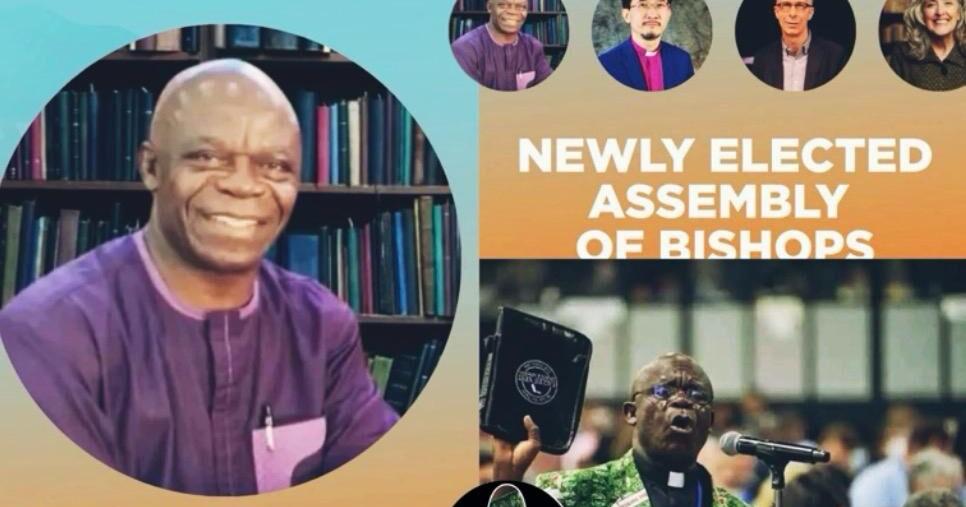
Liberian clergyman Rev. Dr. Jerry Kulah has been elected Bishop of Episcopal Area 5 of the Global Methodist Church (GMC), a sprawling region that links congregations across Africa, Europe, and the United States, marking a historic elevation for Liberia within the young global denomination.
Kulah won decisively, drawing 257 of 316 votes cast by the Assembly of Bishops. He is one of eight bishops elected for the first time in the GMC’s short history, all chosen during the denomination’s 2026 General Conference in Johannesburg.
Episcopal Area 5, which Kulah will now oversee, brings together the Ethiopia Nazrawiyan, Great Lakes, Virginia, Southern Nigeria, and Oasis conferences alongside Liberian own Grain Coast Annual Conference. The grouping reflects a deliberate design choice by the denomination: rather than assigning bishops to a single country or continent, the GMC constructed its eight episcopal areas so that no area draws more than four annual conferences from the same continent, ensuring bishops function as general superintendents of the whole Church rather than regional figureheads.
That structure places the Grain Coast Conference, and, by extension, Dr. Jerry Kulah at the center of a leadership network stretching from East Africa to the American South, giving the Liberian church body direct influence over decisions affecting congregations far beyond its borders.
The Global Methodist Church describes the episcopal role as carrying weight well beyond administration, framing bishops as leaders entrusted with shepherding the Church, safeguarding doctrine, and teaching the faith. In practical terms, Kulah’s responsibilities will include supporting clergy and congregations throughout the episcopal area, equipping members for ministry, and advancing the denomination’s broader mission.
GMC-Liberia has welcomed the outcome, voicing confidence that Kulah will carry out the role with humility and pastoral care, and expressing trust that he will continue the denomination’s emphasis on scriptural holiness across the region.
Kulah’s six-year term begins November 5, 2026. He and the other seven bishops-elect are set to be formally consecrated on September 5, 2026, in Johannesburg.
The election capped a multi-day plenary held under the theme “The Beauty of Holiness,” as delegates took up what organizers described as one of the most consequential tasks of the gathering: choosing the general superintendents who will guide the denomination through 2032.
The process followed a structured path laid out under the GMC’s governing “Book of Doctrines and Discipline.” Months before delegates convened, a body of area-committee representatives drawn from the denomination’s annual conferences worked to define the eight episcopal areas now in place. Committees in each area then interviewed episcopal nominees and produced ranked recommendations, which were circulated to delegates ahead of the conference to inform their deliberations.
Voting proceeded methodically, with all eight episcopal areas balloted in rounds and results announced together after each round closed. Electing a candidate required at least 60 percent support, and delegates were barred from voting for the same nominee in more than one episcopal area on a given ballot. In total, it took five rounds of balloting to fill the entire eight-bishop slate.
Rev. Dr. Chris Ritter, who chairs the Global Episcopacy Committee, called the process a weighty responsibility that delegates had approached with care, adding that the elected bishops represent a global cross-section of the church spanning several continents.
Wednesday’s vote represents a turning point for a denomination still finding its footing. The GMC elected its first bishops, six of them, serving two-year interim terms at its 2024 Convening General Conference in San José, Costa Rica. That arrangement was designed intentionally to stay flexible, leaving room for more annual conferences to join the church before permanent elections were held. Two additional bishops were appointed on a full-time basis at that same conference to help steer the denomination through its earliest transition, and a further bishop was received by the Assembly of Bishops in mid-2025 to lead newly established conferences in Russia.
The Johannesburg elections close that interim chapter, installing a full slate of eight bishops elected to standard six-year terms for the first time in the denomination’s history, a milestone the GMC has framed as evidence of its growing institutional maturity as a global connection.
Credit: Source link
Comments are closed.