

Iran and Cuba expand cooperation in pharmaceuticals and medical equipment
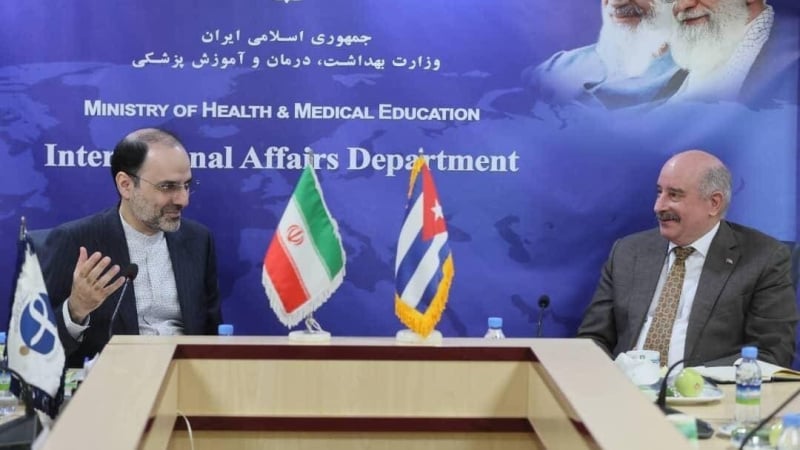
Pars Today – Ways to expand bilateral cooperation in the healthcare sector, particularly by increasing Cuba’s exports of and purchases of Iranian medicines and medical equipment, were discussed during a meeting between Cuba’s ambassador to Tehran and the special assistant to Iran’s health minister and director general of international cooperation at the Ministry of Health and Medical Education.
According to Pars Today, citing IRNA, Cuban Ambassador to Tehran Nicolas Lefebvre, during a meeting with Mohammad-Hossein Ayati, highlighted the capabilities and potential of the Islamic Republic of Iran’s pharmaceutical and medical equipment industries. He emphasized the readiness of Cuba’s private sector to expand cooperation with Iranian companies and purchase medicines, medical equipment and other items needed by the country’s healthcare system from Iran.
The meeting also highlighted the more than 30-year history of cooperation between the Pasteur Institute of Iran and Cuban vaccine manufacturers, as well as the achievements resulting from this cooperation in technology transfer and the production of hepatitis, coronavirus and pneumococcal vaccines.
Nicolas Lefebvre also expressed readiness to send specialists to Iran to complete joint projects and cooperate in rebuilding specialized sections of the Pasteur Institute of Iran that were damaged during the recent war.
The meeting also emphasized facilitating the participation of Cuban healthcare representatives and industry professionals in Iran Pharma, the country’s largest pharmaceutical event, with the aim of gaining a closer understanding of the capabilities of Iran’s pharmaceutical industry and creating opportunities to expand trade cooperation and purchase Iranian pharmaceutical products.
Referring to the sanctions and pressure imposed by the United States on Iran and Cuba, the two sides stressed their shared determination to develop and strengthen bilateral relations, particularly in healthcare, pharmaceuticals and medical equipment, and to leverage their respective capacities to meet the needs of both countries.