
Houthis behind Saudi oil facility strikes launched from Iraq, Gulf officials say
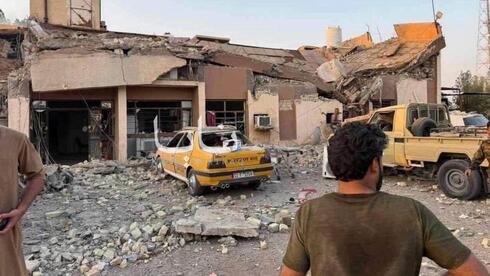
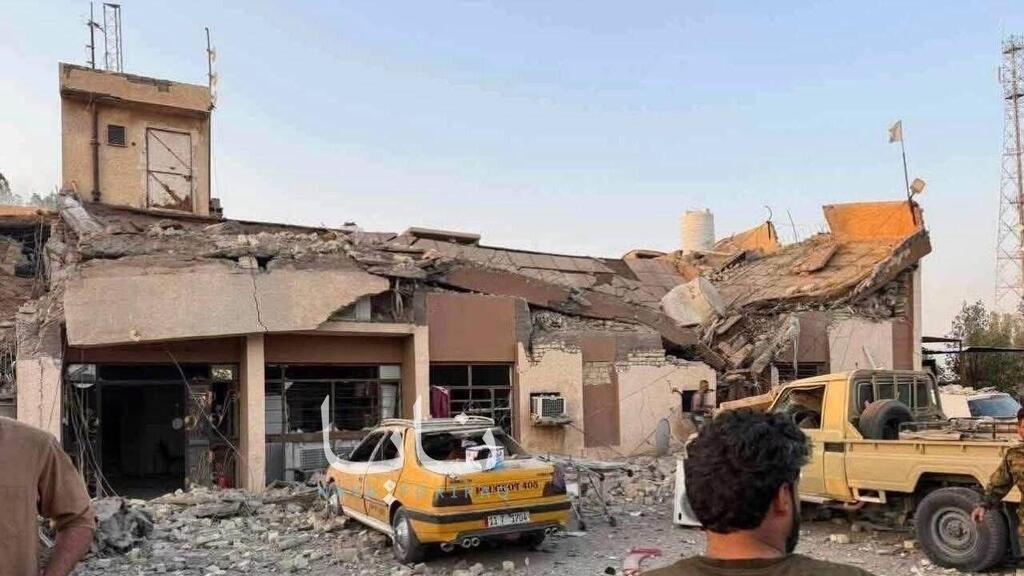
The strike targeted pro-Iranian militias responsible for launches against U.S. forces in the region as well as energy infrastructure in Saudi Arabia. CENTCOM said aircraft from both countries precisely struck several terrorist targets in eastern Iraq, including weapons sites and logistical facilities, in response to “more than 30 IRGC-directed drone attacks over the past 72 hours.”
The New York Times later reported that about 20 Iranian advisers, some IRGC personnel and some technical advisers, were killed in the strikes. A U.S. official said the targets hit that night in Iraq were intentionally bombed both to damage them and to harm the ability of pro-Iranian militias to launch missiles and drones.
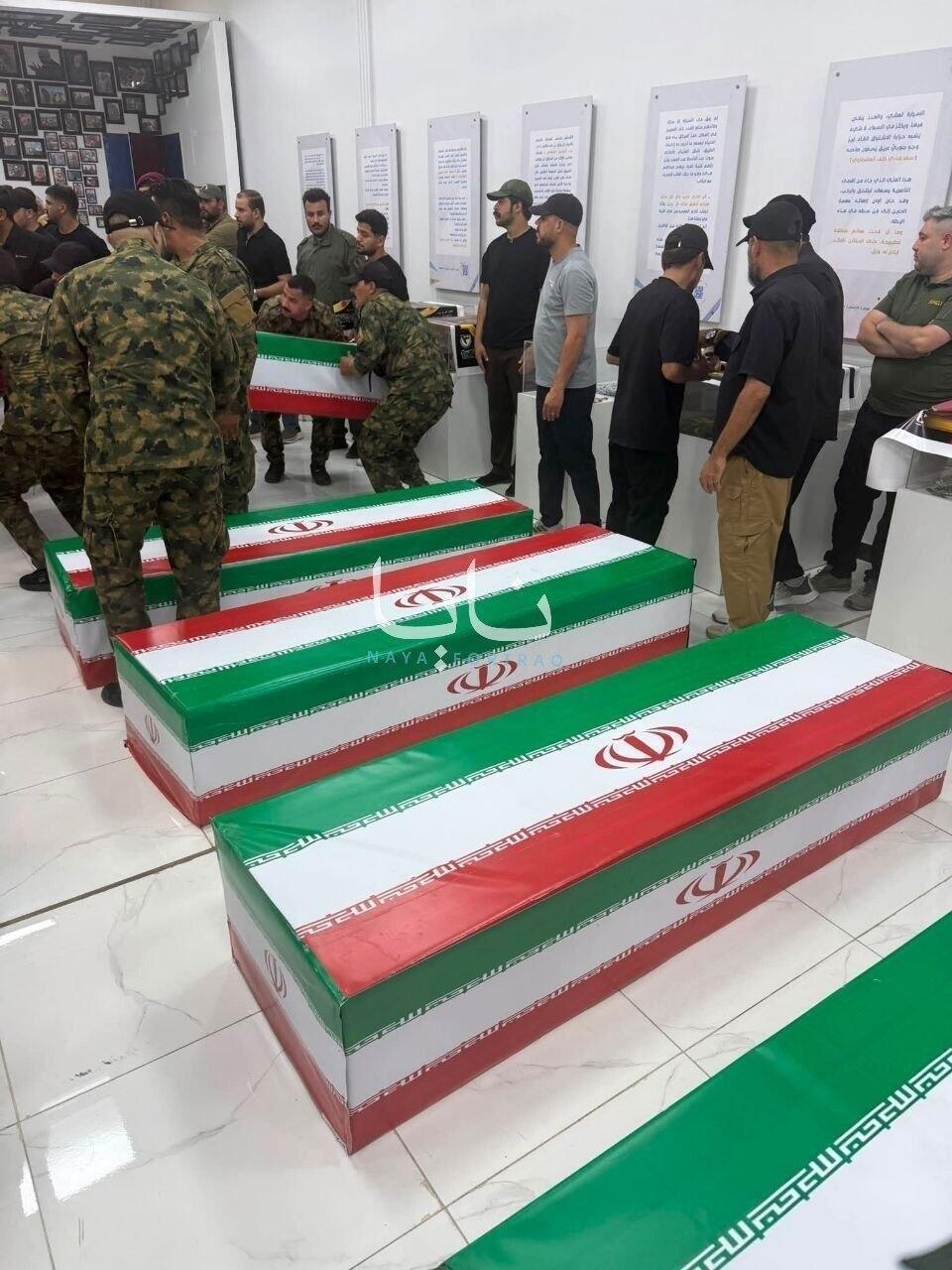
The coffins of Revolutionary Guards terrorists killed in the attack
According to the Reuters report, the Houthis later claimed responsibility for the attacks on Saudi territory, contrary to official reports. However, the Houthis also “admitted” that they had managed to attack from Iraqi territory with the assistance of militias. Iraqi authorities said the matter was under investigation.
The analysts also said that Iraq is “useful” to the Houthis and Iran-aligned terrorist organizations because of its location in the Gulf and the open spaces that allow them to hide easily. They noted that Iraq and Saudi Arabia share a border of more than 800 kilometers, making it difficult for the Saudis to secure its entire length and turning Iraq, according to the analysts, into an ideal launch point.
Documentation of the US-Saudi attacks in Iraq


The coordinated attack from Iraqi territory took place amid a struggle for influence between the United States and Iran, once again highlighting the regional importance of the republic in Southwest Asia, which often remains outside the focus of mainstream discussion.
Earlier this month, the Iraqi government said it would give Iranian-aligned Iraqi militias until September 30 to hand over their weapons to the state, alongside the end of the U.S.-led international coalition’s operations in Iraq against Islamic State. Some militias have long justified their refusal to disarm by pointing to the continued presence of the coalition in the country.
Comments are closed.