

Heatwaves worsen plight of displaced people in conflict-hit Sudan
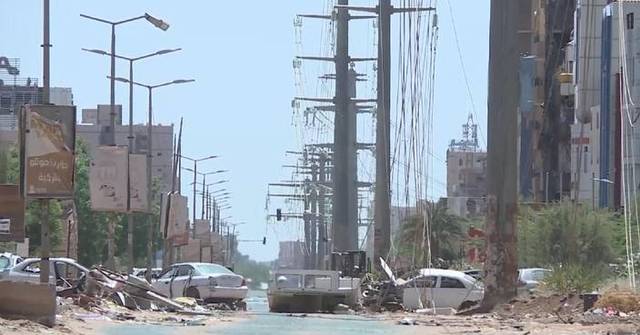
Millions of displaced people in Sudan are suffering from a devastating heatwave that has gripped the country since the beginning of summer, worsening living conditions amid dwindling resources and medical supplies across the war-torn country.
Since April 2023, fighting between the Sudanese Armed Forces and the paramilitary Rapid Support Forces has killed tens of thousands of people and displaced millions both within Sudan and across its borders.
Heatwaves have gripped many parts of the country since the start of summer, with temperatures in some areas still exceeding 40 degrees Celsius in September.
The intense heat has seen a rise in cases of heatstroke, which has seen residents failing to get needed treatment amid shortages of medical supplies due to the war.
“Many people have fallen ill due to the heat. The community health center is currently treating six to seven heatstroke patients. A few days ago, heatstroke cases reached 70,” said Mohamed Abdallah, a displaced resident.
The extreme heat has further exposed the country’s water and electricity shortages. Since the conflict began, water treatment plants, supply stations and pipelines in many parts of Sudan have been damaged, leaving the water supply network disrupted for long periods.
Power shortages are also widespread, especially in Port Sudan, where many displaced people are concentrated. The city currently suffers outages of eight to 14 hours a day, while some shelters for displaced people can only supply electricity for a few hours a day.
For many the deeper problem lies in what the fighting has left broken.
“Recently, many people have suffered heatstroke due to the high temperatures. The situation of displaced people is particularly worrying. One important reason is the lack of public services caused by the conflict, especially the severe shortage of water and electricity,” said Mohamed Ali, another displaced resident.
Heatwaves worsen plight of displaced people in conflict-hit Sudan
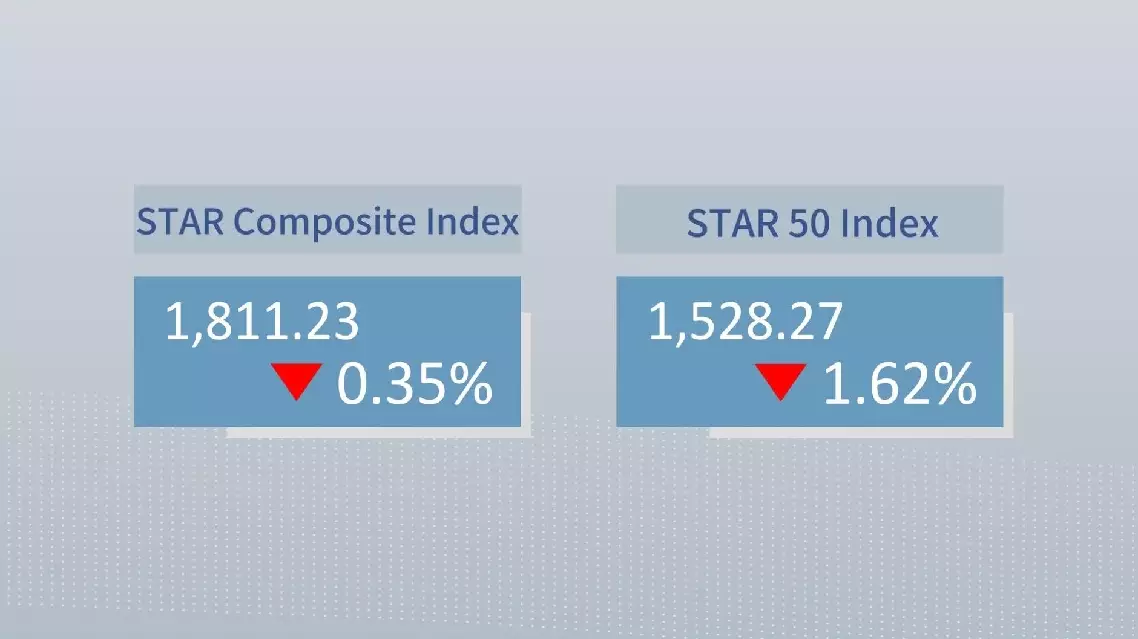
The STAR Composite Index, which reflects the performance of stocks on China’s sci-tech innovation board, closed 0.35 percent lower at 1,811.23 points on Monday.
The STAR 50 Index, which tracks the 50 largest stocks listed on the board that also meet certain liquidity requirements, closed 1.62 percent lower at 1,528.27 points.
The sci-tech innovation board, commonly known as the STAR Market, was inaugurated in June 2019 at Shanghai Stock Exchange. It is designed to support companies in the high-tech and strategic emerging sectors.
China’s STAR Composite Index closes lower Monday
Credit: Source link