

Haiti and coach Sébastien Migné end collaboration
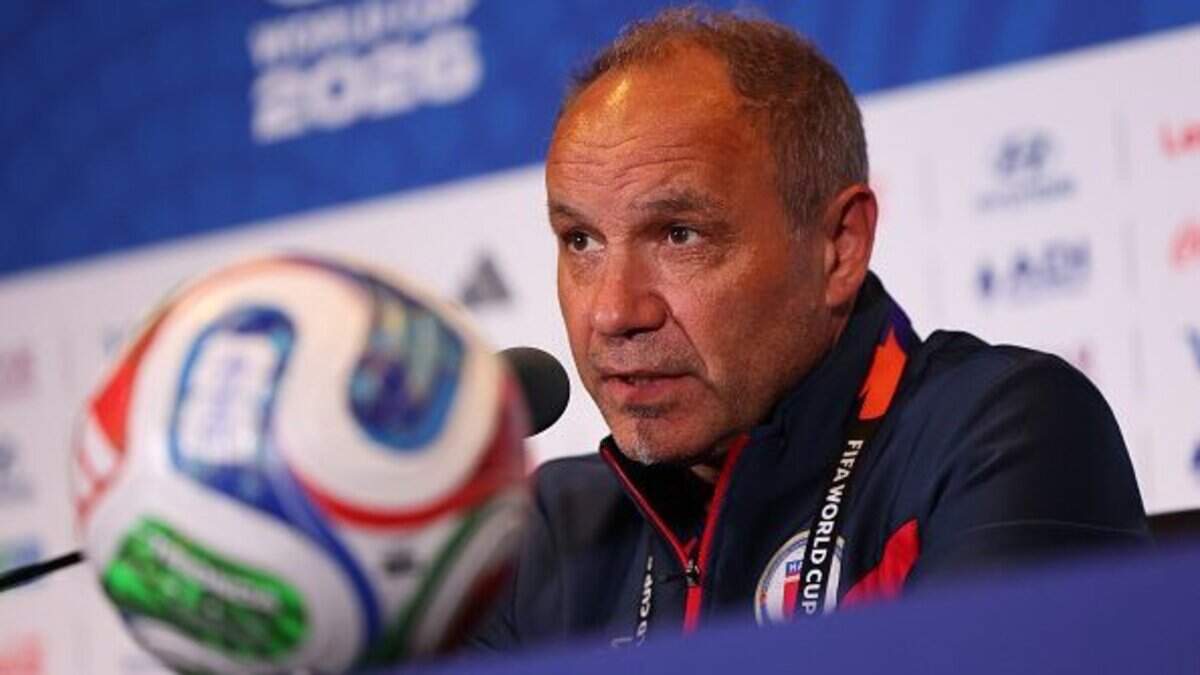
Sébastien Migné, head Coach of Haiti, speaks during the press conference of Haiti one day ahead of the FIFA World Cup 2026 Group C match between Haiti and Scotland at Boston Stadium on June 12, 2026 in Boston, Massachusetts.
Getty Images
Haiti’s soccer federation and Sébastien Migné, the coach who guided the men’s national team to its first FIFA World Cup appearance in more than five decades, have decided to go their separate ways,
The Haitian Football Federation announced Tuesday that the two had reached “an amicable” decision to end their collaboration.
“The decision, made in a spirit of mutual respect and dialogue, allows both parties to move forward calmly to the next stage of their respective journeys,” Patrick Massenat, secretary general of the federation, said in a statement.
The federation praised Migné’s professionalism, commitment and dedication, saying his tenure would best be remembered “above all for Haiti’s historic qualification for the 2026 FIFA World Cup, a major achievement that allowed the nation to return to the world’s most prestigious football competition 52 years after its first appearance.”
One of only two Caribbean teams t qualify for this year’s 48-nation tournament, Haiti faced Scotland, Brazil and Morocco before being eliminated in the group stage. Though the team failed to advance to the knockout round, its historic run inspired an outpouring of national pride, while uniting Haitians at home and abroad.
When the Miami Herald sought to interview Migné after Haiti’s elimination, he declined because he wasn’t sure whether he would be speaking as the current or former coach.
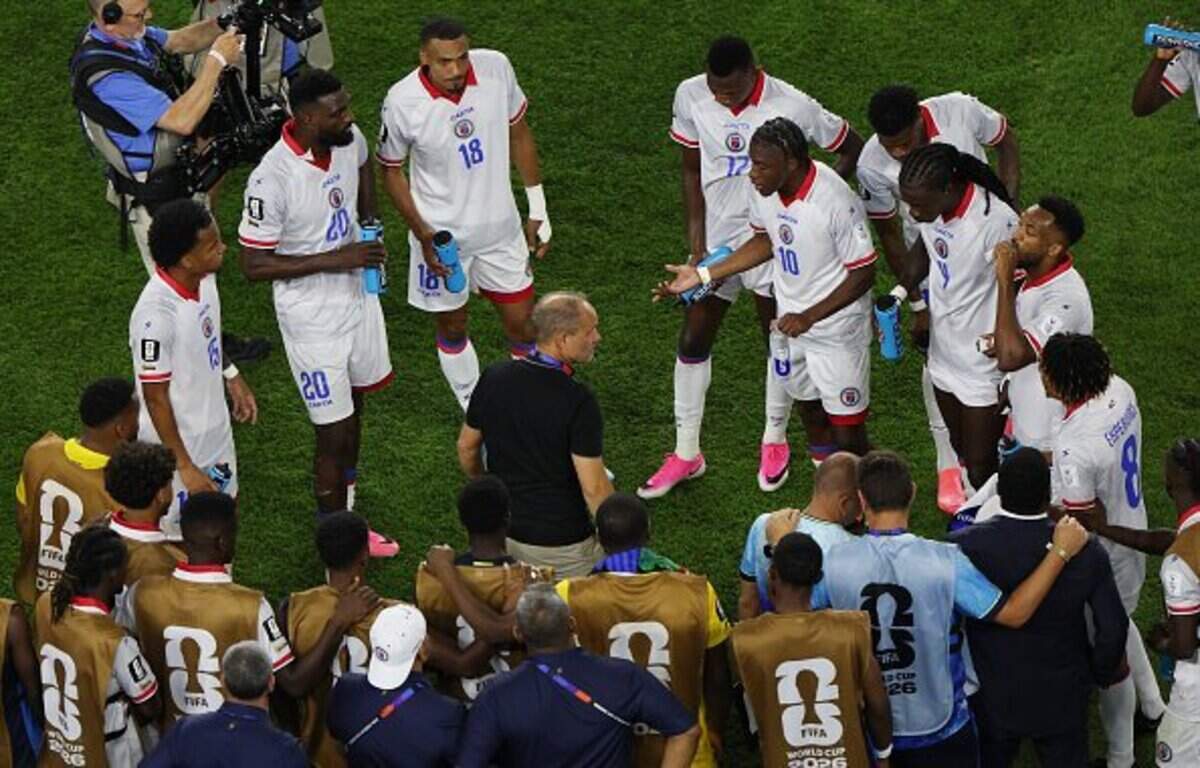
Throughout the tournament, the Frenchman repeatedly spoke to the unique challenges he faced coaching Haiti’s Les Grenadiers, and the pressure the team faced. Haiti became the first team in FIFA history to qualify without having played one game at home due to gangs’ takeover of its national stadium and the violence in Port-au-Prince.
“I am the leader of a group aiming to make an entire nation proud,” he said ahead of the match with Brazil in Philadelphia. “Unfortunately, unlike previous assignments I’ve had with various national teams, I cannot live in the country for well-known reasons.
“It is inevitably a drawback, because — as I’ve said — we do this job to share experiences and exchange cultures, and to be more insightful in our decision-making through a better understanding of the country,” he said. “I have to rely on the Haitians on my staff for that.”
The violence also prevented Migné and members of his coaching staff from visiting Haiti to scout or evaluate players in their home environment. But many fans didn’t care. During the tournament they showed their growing frustration with Migné’s lineup selections and substitutions amid the losses, and while some debated his future others launched calls on social media for his dismissal under the hashtag Mignéout.
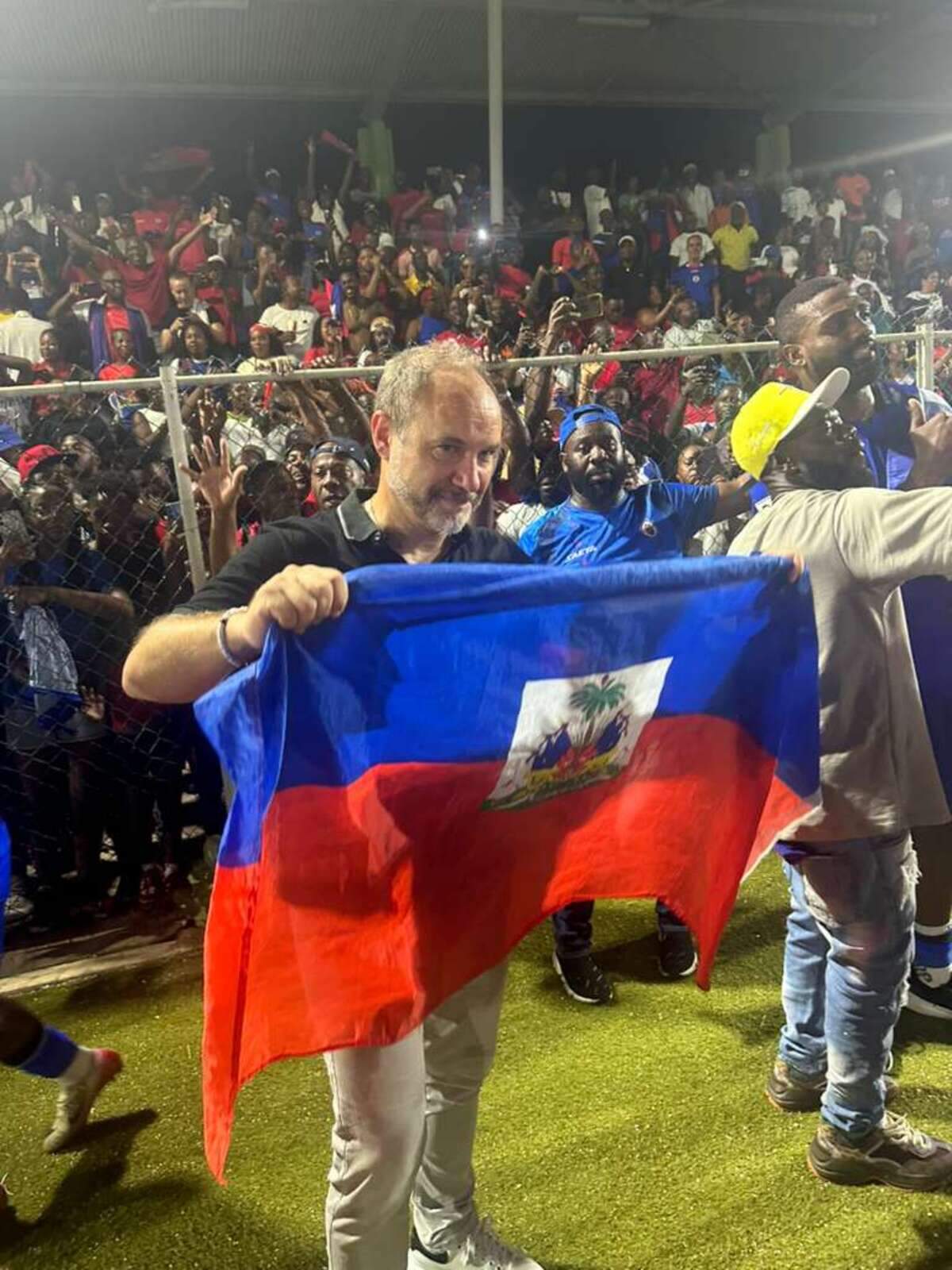
With Migné out, Haiti now faces the search for a new coach while continuing to rebuild its soccer program. The transition comes as FIFA prepares to return full control of the program to the federation after years of oversight following the corruption and sexual abuse scandal that led to the removal of its former federation president Yves Jean-Bart.
The federation, in its statement, said it plans to continue its efforts to professionalize and strengthen Haiti’s national team, and intends to build on the progress made in recent years.

Jacqueline Charles has reported on Haiti and the English-speaking Caribbean for the Miami Herald for over a decade. A Pulitzer Prize finalist for her coverage of the 2010 Haiti earthquake, she was awarded a 2018 Maria Moors Cabot Prize — the most prestigious award for coverage of the Americas.
Comments are closed.