

Germany Says Russia Carried Out Explosive Drone Attack, Announces Retaliation
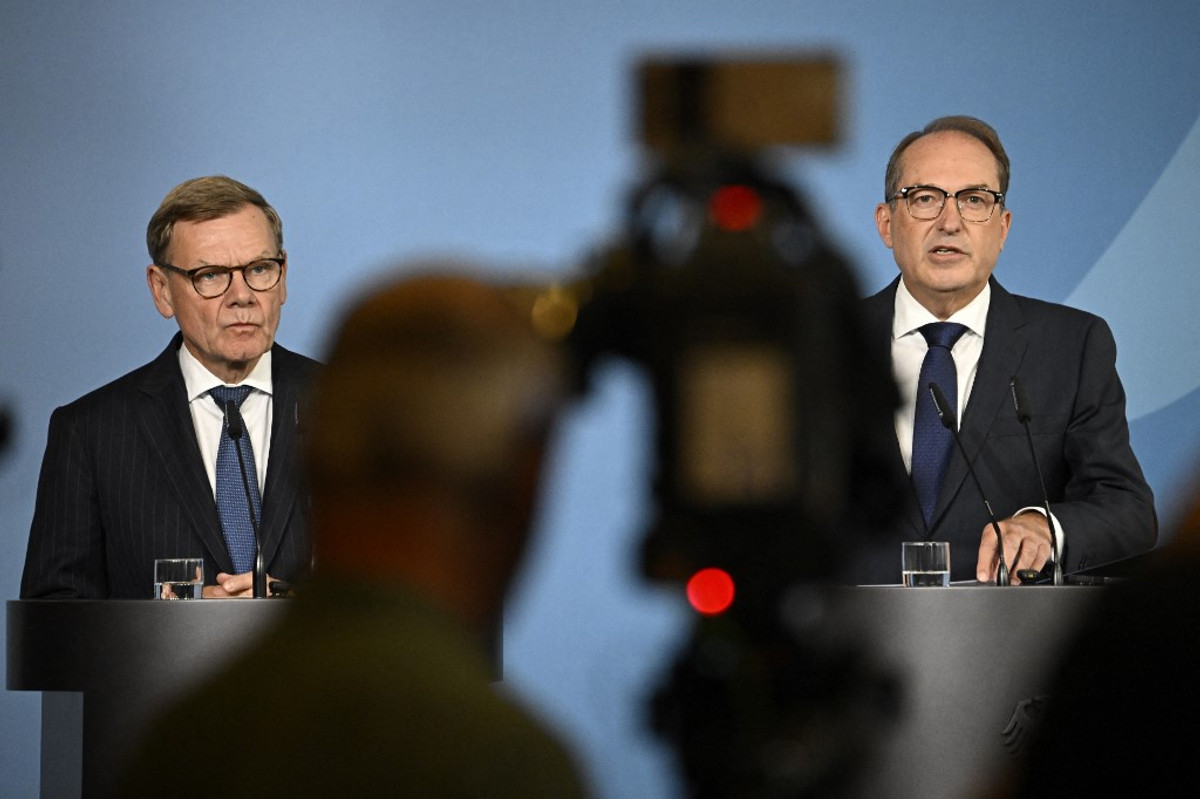
Germany on Tuesday formally held Russia responsible for an attempted explosive-drone attack at a strategic airport used by Ukrainian and NATO-linked aircraft, ending weeks of reluctance to publicly name Moscow and announcing retaliatory measures.
The move marks a significant hardening of Berlin’s response to Russian hybrid operations as Moscow increasingly targets European countries supporting Ukraine.
JOIN US ON TELEGRAM
Follow our coverage of the war on the @Kyivpost_official.
“The government concludes that Russia is responsible for the hybrid attack in Leipzig on August 4,” Interior Minister Alexander Dobrindt said, according to AFP.
Germany said its assessment was based on police investigations, intelligence and the technology used in the drone, which was carrying explosives when it was discovered near a Ukrainian cargo aircraft at Leipzig/Halle Airport.
Dobrindt said the drone’s components, explosives and ignition systems were familiar from other Russian hybrid operations and from Moscow’s war against Ukraine.
“We do not view the Leipzig incident in isolation, but rather see it in the context of other hybrid actions,” he said.
“We assume that Germany is the target of further hybrid attacks by Russia.”
“We are not at war, but we are a daily target of hybrid warfare.”
Berlin moves against Moscow
Germany responded by announcing a series of measures targeting Russia’s diplomatic and influence networks.
Foreign Minister Johann Wadephul said Berlin would close Russia’s consulate in the former West German capital Bonn later this month and terminate the agreement covering the Russian House cultural center in Berlin.
Other Topics of Interest
US Treasury Secretary Says Russia’s G20 Presence Did Not Disrupt Talks Despite EU Anger
Bessent said nearly all G20 members backed the chair’s statement and argued that continued engagement with Moscow remains important.
Germany will also tighten entry controls for Russian nationals and seek additional EU sanctions against Russian individuals.
The Russian ambassador in Berlin was summoned.
“We are increasing pressure on the Russian shadow fleet,” Wadephul said, referring to vessels Moscow uses to circumvent Western sanctions imposed over its full-scale invasion of Ukraine.
The EU expressed “full solidarity” with Germany, while NATO Secretary General Mark Rutte said the alliance would continue strengthening its ability to “deter and defend all Allies against any threat.”
France, Britain, Poland, Spain and Sweden were among countries voicing support for Berlin.
Sweden also summoned Russia’s ambassador over the incident, with Prime Minister Ulf Kristersson citing Stockholm’s solidarity with both Germany and Ukraine.
Ukrainian aircraft near apparent target
The Aug. 4 incident caused particular alarm because Leipzig/Halle Airport is a major logistics hub used for military transport by Germany and NATO allies and serves as a base for Ukraine’s Antonov Airlines.
Police used a robot to defuse the explosive device after the drone was discovered near a Ukrainian cargo plane.
Another drone was reportedly found near the airport weeks later with traces of explosives.
Germany has recorded repeated suspicious drone activity around military bases, industrial facilities and other critical infrastructure amid growing concern over Russian sabotage and espionage operations across Europe.
Chancellor Friedrich Merz said last week that Germany had “found itself in the crosshairs of hybrid attackers” and warned that those responsible would “pay for them.”
Russian House to close
Berlin will also move against the Russian House, a cultural center long scrutinized by German security officials over suspicions that it serves as a platform for Kremlin propaganda and intelligence activity.
Conservative lawmaker and security expert Roderich Kiesewetter recently described the facility as a suspected espionage hub.
Russia rejected Germany’s findings.
Russian President Vladimir Putin called Germany’s sanctions move “another mistake, a serious one.”
Berlin’s decision nevertheless represents its clearest response yet to what German officials now openly describe as a Russian campaign of hybrid warfare targeting the country as it continues its support for Ukraine.
Comments are closed.