

EU, IOM poised to build gov’t capacity on effective migration governance
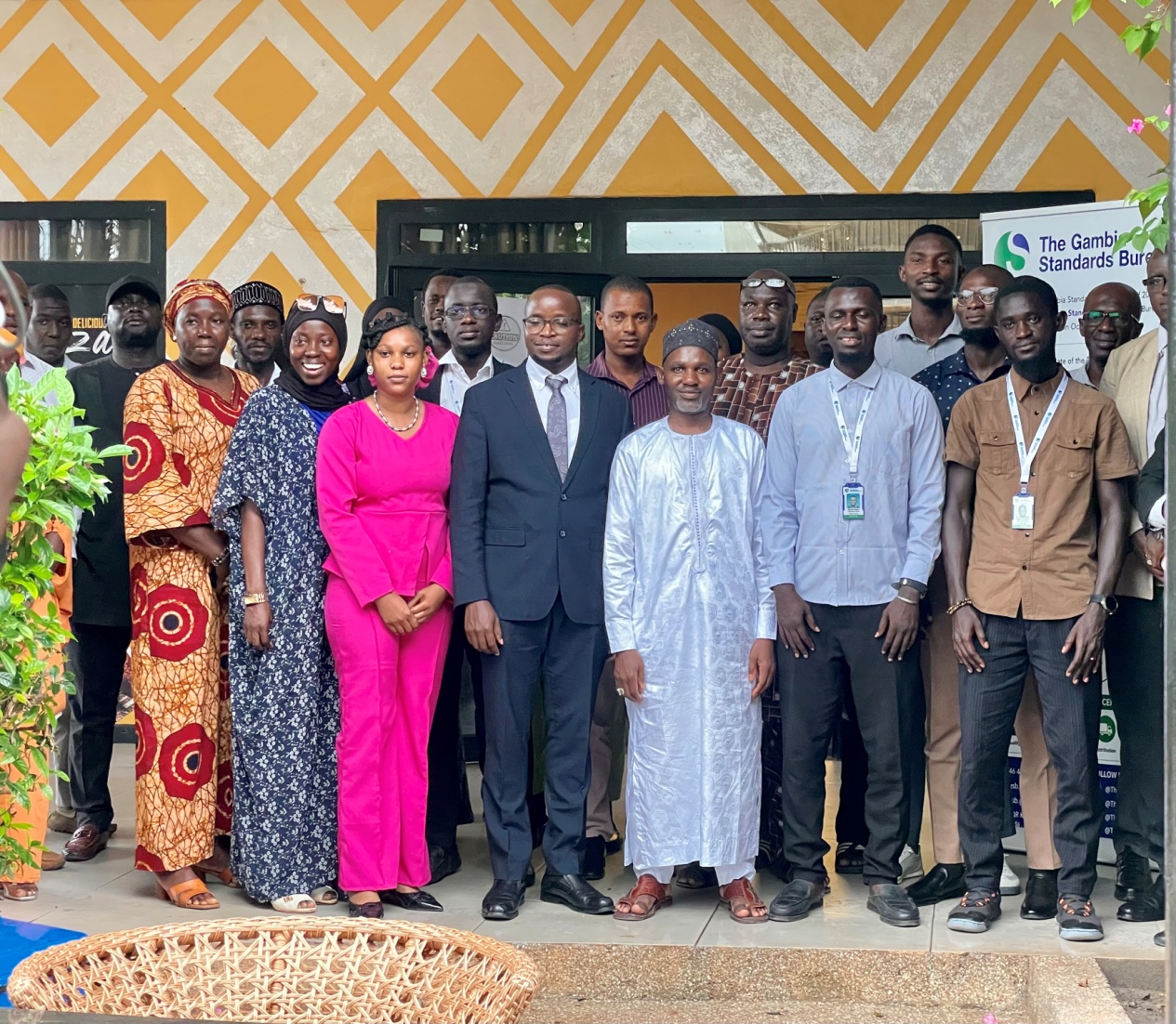
In a bid to strengthen the government’s capacity for effective migration governance, the European Union (EU) and the International Organization for Migration (IOM), through the Government of The Gambia, have launched a four-day capacity development training on monitoring, evaluating, and reporting on migration governance and commitments under the Global Compact for Safe, Orderly and Regular Migration (GCM).
The training, held at Bakadaji, brought together government officials, civil society representatives, and key migration stakeholders from The Gambia’s National Coordination Mechanism on Migration (NCM), its eight Thematic Working Groups (TWGs), and Regional Coordination Mechanisms (RCMs).
Funded by the EU through the Cooperation Facility and the IOM Development Fund, the training reflects a shared commitment to evidence-based and gender-responsive migration governance.
By the end of the training, participants are expected to develop a draft indicator list and reporting workflow aligned with the Recovery-Focused National Development Plan (RF-NDP), the National Migration Policy, and GCM objectives.
Since the adoption of the GCM in December 2018, The Gambia has demonstrated leadership in migration governance. Recognized as a GCM Champion Country in March 2022, the country has participated in regional review processes and recently submitted its Second National GCM Progress Report to the International Migration Review Forum (IMRF) 2026.
Speaking at the opening, Ndumbeh Saho, Director of Diaspora and Migration at the Ministry of Foreign Affairs, International Cooperation and Gambians Abroad, said The Gambia’s participation in the GCM process is driven by the belief that migration, when governed well, is a force for development and human dignity.
She said the training would equip national institutions to move beyond activity reporting towards genuine accountability by measuring outcomes for Gambians at home and abroad.
“This training will address those gaps by equipping participants with practical tools for data collection, verification, and analysis; building skills in developing gender-responsive indicators; and supporting a harmonized national migration indicator framework,” she said.
For her part, EU Ambassador to The Gambia, Her Excellency Immaculada Roca i Cortés, reaffirmed the EU’s support to The Gambia in translating global migration commitments into concrete national results.
She said effective migration governance relies on strong institutional data, clear evidence, and transparent accountability, adding that stronger national and regional coordination mechanisms would help ensure migration policies foster sustainable development.
Sibgha Ajaz, IOM Officer-in-Charge in The Gambia, said effective migration governance depends on reliable data, strong coordination, and the ability to translate evidence into action.
She said the training would strengthen national systems for informed decision-making and accountability while ensuring migration policies and programs leave no one behind.
Credit: Source link