

Cuba’s Role in Angola Changed the Course of African History
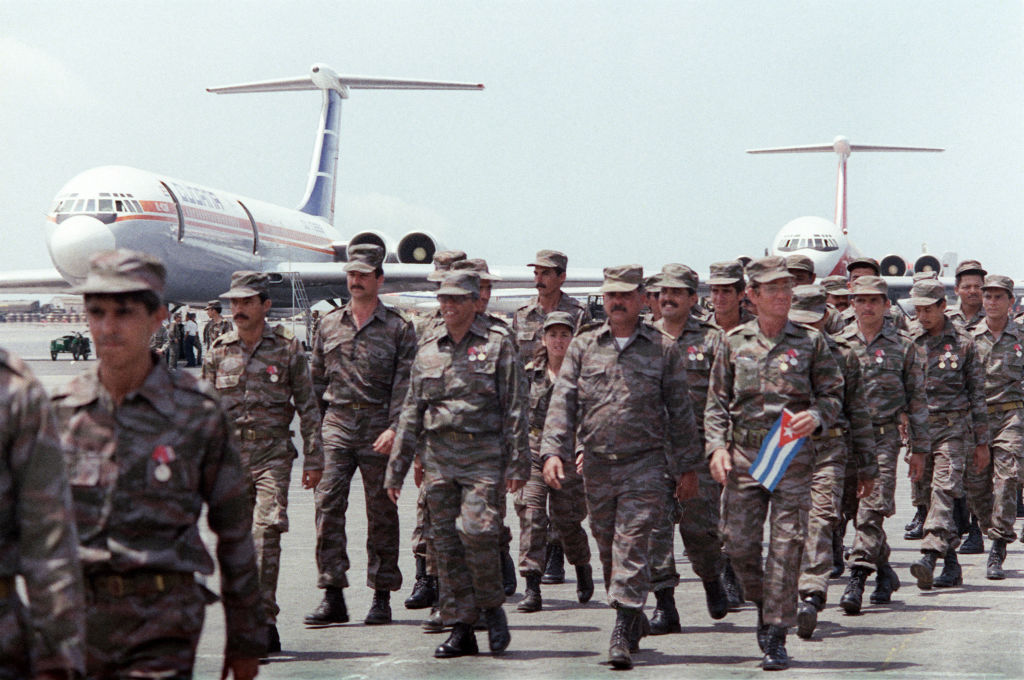
In view of all this, how did Cubans continue to perceive their country’s role in Angola? The 1980s did see a slight decline in the initial enthusiasm, with an estimated death toll of around six thousand, out of more than two hundred thousand serving there. There was also a tendency in some quarters to see peer pressure as a form of state pressure, with volunteering as a means for individuals to jump queues for housing or other benefits.
After a dengue epidemic in 1980, there was a widespread rumor that it originated in internationalist volunteering. The following year, the mass boatlift of more than 120,000 Cubans at the port of Mariel, which shocked the Cuban people and their leadership alike, made complaints about Angola more audible.
However, enthusiasm and pride returned after the events of March 1988, when a force of over fifty thousand Cuban troops inflicted a major, morale-boosting defeat on South Africa’s army at Cuito Cuanavale in a standing battle.
Pride grew as the effects of the Cuban victory became clear: South African troops withdrew from Angola and Namibia shortly afterward, and the apartheid state soon began to unravel with the release of Mandela in 1990 followed by his election as the country’s president. That sense of pride even survived (and may have helped comfort people) during the crisis of the early 1990s.
Yet the same crisis also put paid to Cuba’s ability to continue with its policy of internationalism on the former scale. The provision of aid was now generally limited to assistance after natural disasters or, as in the case of Palestine, free education and training for students from the Global South.
The patience of Cubans was often strained during the crisis years, as some contrasted their daily struggles to survive on limited supplies and rationing with what they saw as Cuba’s generosity abroad. Overall, however, a commitment to the idea of international solidarity did seem to endure among many Cubans, suggesting (in the direst of dire straits) that popular belief in solidarity still had some sway.
It may also have helped that Cuba’s record of providing aid to other countries, even during crisis, elicited significant global sympathy for the country. This was on display every year starting in 1992 in the overwhelming United Nations General Assembly votes against the US embargo (ritually opposed only by the United States and Israel), fortifying a sense that Cuba was not alone. With Donald Trump having tightened the embargo even further, that sympathy might seem like a small blessing, but a blessing it was nonetheless (and perhaps still is).
The Angolan experience thus affected Cuba in several ways, mostly for the better. It enhanced many of the country’s beliefs and commitments, gained it many allies, and inspired feelings of pride (as well as complaints and resentments). Cuba after 1975 was different, and we are probably still discovering the extent and character of those differences.
Credit: Source link
Comments are closed.