

Congo’s Ebola outbreak surpasses 2,000 deaths as cases surge
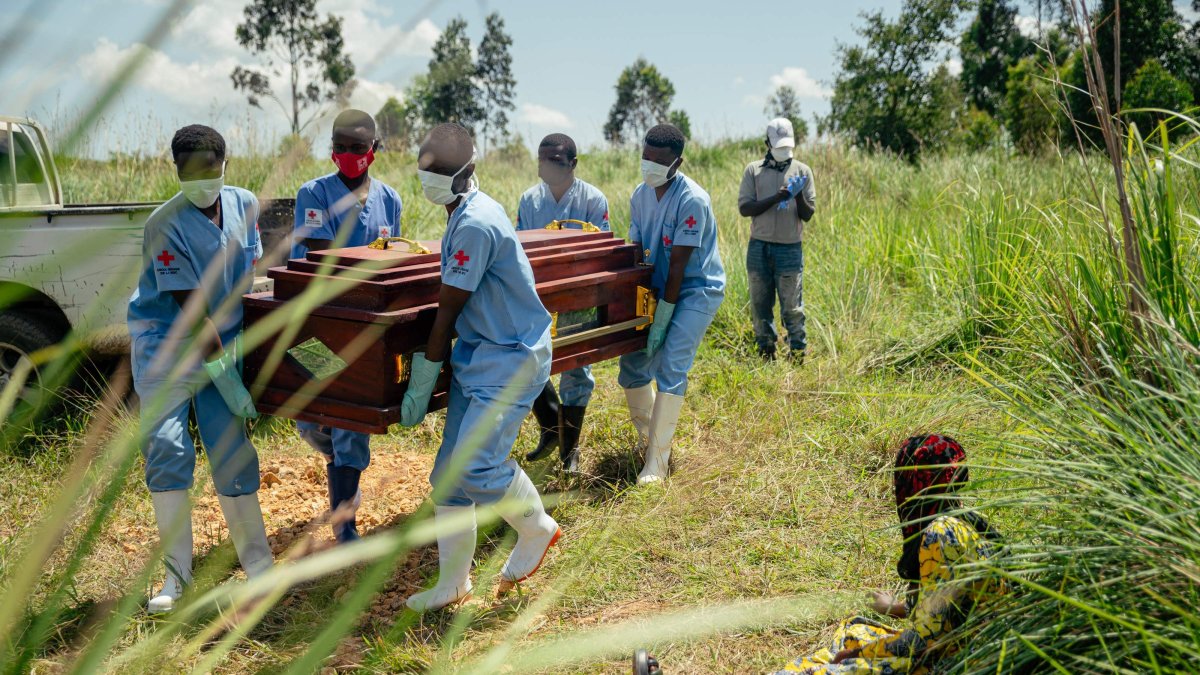
More than 2,000 people have died among confirmed cases in Congo’s Ebola outbreak, which is spreading at the fastest pace recorded in the country, according to government data released Tuesday.
The outbreak has recorded 4,381 confirmed cases and 2,011 deaths, while 704 patients are hospitalized or in isolation. The figures come less than three months after authorities declared the outbreak May 15.
The pace of deaths has accelerated sharply. It took about nine weeks for the outbreak to reach 1,000 deaths, but only about three additional weeks to record another 1,000, highlighting the difficulties health workers face reaching remote communities and containing transmission.
The outbreak is being caused by the Bundibugyo virus, a relatively rare species of ebolavirus for which there are no approved vaccines or specific treatments.
The World Health Organization (WHO) said Monday that genomic and epidemiological evidence indicates the virus began circulating in February, months before authorities detected it.
The outbreak is centered largely in Ituri province, with cases also reported in North Kivu, South Kivu, Haut-Uele and Tshopo provinces.
A rare and difficult-to-treat
Bundibugyo virus was first identified during an outbreak in western Uganda in 2007 and was later detected in Congo in 2012. The current outbreak is only the third known Bundibugyo outbreak and by far the largest.
Unlike the Zaire ebolavirus, which has caused most major Ebola outbreaks and is targeted by licensed vaccines and treatments, Bundibugyo has no approved vaccine or specific antiviral treatment.
Doctors therefore rely largely on supportive care, including managing dehydration, treating complications, isolating patients and preventing further transmission.
The fatality rate among confirmed cases has risen into the mid-40% range in some reports, reflecting delayed detection, late presentation for treatment and a significant number of people dying in their communities before receiving medical care.
Conflict complicates response
Eastern Congo has endured decades of armed conflict, population displacement and weak health infrastructure, making the region particularly difficult for disease-control teams to reach.
Poor roads, insecurity and disruptions to supply routes have slowed the movement of health workers, medical supplies and laboratory samples. Some communities are also wary of health authorities and international responders because of past violence against health workers and mistrust surrounding previous Ebola campaigns.
Those concerns have complicated contact tracing, safe burials and efforts to persuade people with symptoms to seek treatment.
A significant proportion of new cases have been identified among people who were not previously listed as contacts of known patients, making transmission chains harder to track. Many patients have also died in their communities rather than treatment centers, reducing opportunities for early diagnosis and infection control.
Response expands
Congolese authorities have expanded the response with support from the WHO, Africa CDC, Medecins Sans Frontieres and other partners.
Teams have increased laboratory testing, expanded treatment capacity, intensified contact tracing and strengthened infection prevention measures. Officials are also working to improve diagnostic systems capable of detecting different Ebola species and to expand testing closer to affected communities.
WHO and Africa CDC have called for faster delivery of funding and medical resources, while stressing that community involvement will be critical to controlling the outbreak.
Uganda also recorded a smaller outbreak linked to the situation in Congo, with about 20 confirmed cases and two deaths. Authorities declared it over in late July after 42 days without a new case, although border monitoring continues.
Congo’s largest Ebola outbreak
The current outbreak is Congo’s 17th since Ebola was first identified in 1976 near the Ebola River.
It has surpassed the country’s previous largest outbreak, which struck North Kivu and Ituri between 2018 and 2020 and recorded about 3,470 cases and more than 2,200 deaths.
It is now the second-largest Ebola outbreak recorded globally, behind the 2013-16 West Africa epidemic that caused more than 28,000 cases and over 11,000 deaths across Guinea, Liberia and Sierra Leone.
Scientists believe the current Bundibugyo outbreak represents a distinct zoonotic spillover event, underscoring the continuing risk of new Ebola strains emerging in areas where people have close contact with wildlife.
Despite the growing toll, health authorities say the risk of sustained international transmission remains low because Ebola is primarily spread through direct contact with infected bodily fluids rather than through the air.

Credit: Source link