

Congo taps U.S. and UAE support for new mining security force
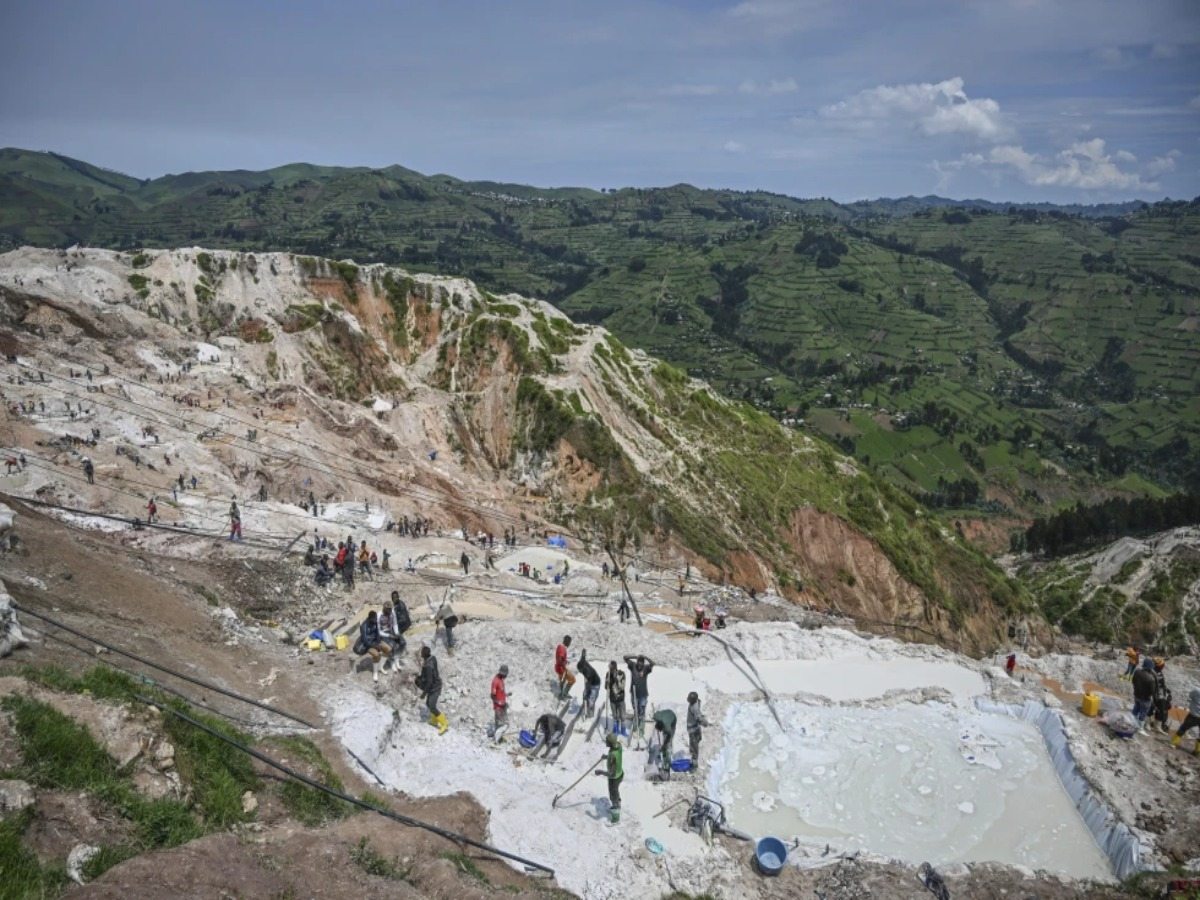
The Democratic Republic of Congo is moving to tighten control over its lucrative mining industry with a newly announced paramilitary force, a step authorities say will protect operations and reassure foreign investors at a time of renewed geopolitical interest in the country’s mineral wealth.
The initiative, unveiled Monday by the General Inspectorate of Mines, will roll out in phases. An initial contingent of between 2,500 and 3,000 recruits is expected to be ready by December after undergoing six months of training alongside the military.
Over time, the unit is set to expand into a nationwide force of more than 20,000 personnel, covering all 22 mining provinces by 2028. Officials say the long-term objective is to tighten state supervision of mineral output while addressing investor concerns about security and transparency.
READ ALSO: Congo to take in U.S. deportees under Trump’s third-country plan
Funding for the $100 million program is being provided through partnerships involving the United States and the United Arab Emirates, according to the statement.
Congo remains one of the world’s most important sources of coltan, the ore used to extract tantalum, a material essential for manufacturing smartphones, computers and aircraft engines. Despite this resource wealth, the country has faced persistent challenges with illegal mining networks and instability, particularly in its eastern regions.
Those eastern provinces have endured years of violence, with clashes between government troops and Rwanda-backed rebel groups leaving thousands dead and forcing large-scale displacement.
Congo’s president aims to “clean up the entire mining sector, by eliminating practices that run counter to good governance, transparency and the traceability of minerals,” the inspector general of mines, Rafael Kabengele, said in the statement.
Once operational, the new guard will assume responsibilities currently handled by the national army. Its duties will include securing mining sites, escorting mineral shipments to processing hubs and border points, and safeguarding foreign-backed projects.
READ ALSO: Congo signs $1.2bn health agreement with U.S.
The move also aligns with the United States’ broader push to counter China’s grip on critical mineral supply chains. A minerals agreement signed last year between Congo and the United States has already seen American company Virtus Minerals take control of copper-cobalt producer Chemaf, with additional Western firms exploring opportunities, including in areas affected by rebel activity.
According to the U.S. Geological Survey, Congo accounted for roughly 40 percent of global coltan production in 2023. More than 15 percent of the world’s tantalum supply is believed to originate from the Rubaya mines in the east, an area under rebel control.
Instability in eastern Congo has persisted for decades, with numerous armed factions operating across the region. Although a U.S.-brokered agreement between Congo and Rwanda last year raised hopes of de-escalation and improved access to mineral resources, tensions remain unresolved.
Talks between the government and M23 rebels are ongoing, but hostilities continue across multiple fronts, underscoring the fragile security environment surrounding one of the world’s most resource-rich regions.
READ ALSO: U.S.-Congo minerals pact triggers political and public resistance
Credit: Source link