

Burkina Faso tightens grip on NGOs with new ban on exploitative humanitarian images
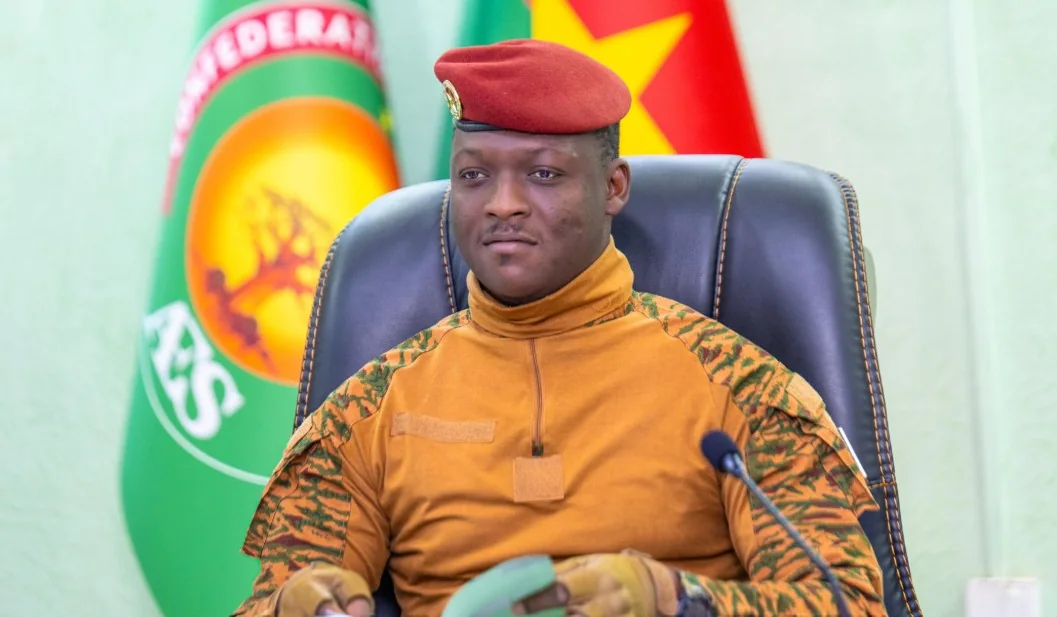
Burkina Faso has introduced new humanitarian regulations that prohibit non-governmental organisations (NGOs) and humanitarian agencies from taking, displaying or sharing degrading images of people receiving assistance, in a move aimed at safeguarding the dignity and privacy of aid recipients.
According to reports, the new rules bar humanitarian actors from using photographs and videos that depict beneficiaries with donated items in a manner considered degrading or exploitative.
The government says the regulations are intended to end the use of poverty and human suffering as promotional or fundraising tools, while ensuring vulnerable people are treated with dignity and respect.
The measures come as Burkina Faso continues to face one of the world’s most neglected humanitarian crises. According to the European Commission, an estimated 4.5 million people will require humanitarian assistance in 2026, while more than 1.6 million are expected to need emergency food aid due to conflict, displacement and harsh climatic conditions.
The prolonged security crisis has disrupted farming and trade, displaced millions of people and severely affected access to healthcare, education and clean water. Humanitarian agencies also face major challenges reaching affected populations, particularly in areas impacted by insecurity and attacks by armed groups.
The European Commission says humanitarian operations have become increasingly difficult due to movement restrictions, security risks and government requirements for closer coordination between aid organisations and state authorities.
The new regulations come amid heightened government oversight of international organisations under the military-led administration of Captain Ibrahim Traoré, who came to power in a September 2022 coup.
Earlier this year, Burkina Faso indefinitely suspended the operations of the United Nations Human Rights Office after it issued a statement calling on the country to uphold civic space.
The UN has since announced it will close its human rights office in the country by November 30, with UN High Commissioner for Human Rights Volker Türk expressing regret that efforts to resolve the standoff with the authorities had failed.
“I deeply regret the Burkinabe authorities’ decision indefinitely suspending our in-country operations, and that intensive engagement with the authorities since has not resolved the matter,” UN rights chief Volker Türk said in a statement.
Credit: Source link
Comments are closed.