

Burkina Faso Junta Suspends 247 Organizations in Ruthless Crackdown
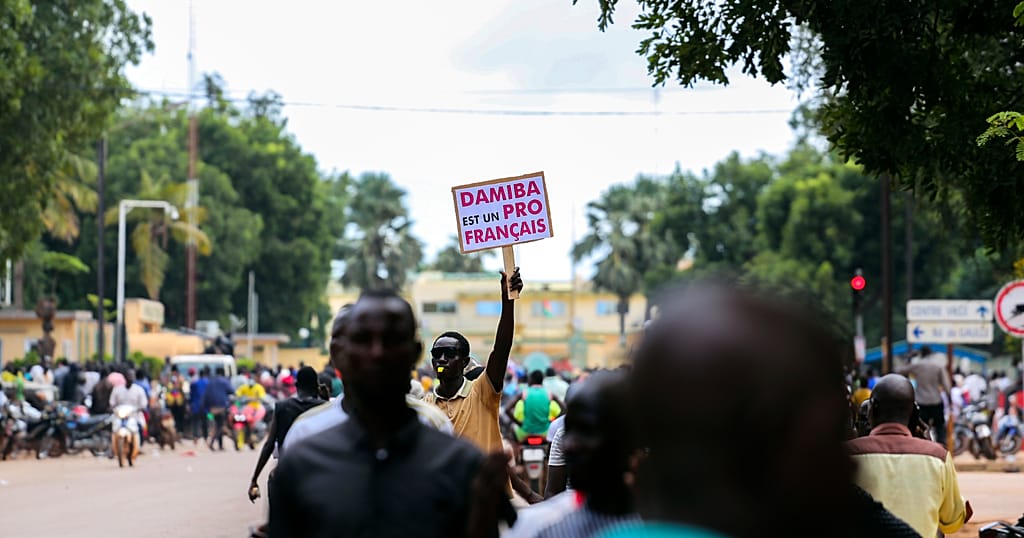
The military junta ruling Burkina Faso has drastically intensified its systematic dismantling of civic space, summarily suspending an additional 247 civil society organizations and non-governmental associations. The draconian move represents a severe escalation in the regime’s campaign to silence dissent and monopolize political power under the guise of national security.
With this latest sweeping decree, the total number of organizations dissolved or suspended by the military authorities since last month has skyrocketed past 900. The sheer scale of the purge threatens to sever critical lifelines for millions of vulnerable citizens, effectively criminalizing the very institutions that provide essential humanitarian and developmental support in a nation ravaged by conflict.
A Scorched Earth Policy on Civil Society
The newly targeted organizations operate across a broad spectrum of vital public sectors, including public health, educational development, women’s rights advocacy, agricultural support, and environmental protection. By stripping these entities of their legal operational status, the junta, led by Captain Ibrahim Traore, has deliberately crippled the civic infrastructure that sustains marginalized communities.
According to the official ministerial decree, the targeted associations are banned from conducting any operational activities, restricted solely to actions designed to “ensure the associations are respecting the law” during the suspension period. The vague, authoritarian language provides the military apparatus with sweeping justification to raid offices, seize assets, and detain organizers without due process.
The junta’s primary weapon against civil society is the persistent, unsubstantiated accusation of treason. International charities and domestic NGOs that receive foreign developmental funding are routinely branded as espionage fronts or accused of covert collusion with the jihadist insurgents currently battling the Burkinabe army. Consequently, human rights defenders operate under the constant, terrifying threat of abduction or forced conscription.
The Architecture of Authoritarian Consolidation
The aggressive purge of the nonprofit sector is not an isolated administrative action but a calculated component of a broader authoritarian consolidation. The crackdown traces its legal origins to a draconian law signed by Captain Traore in July 2025, which severely curtailed the operational freedoms of human rights groups and labor syndicates.
The systematic dismantling of democratic institutions accelerated sharply in April 2026, when the military government issued a blanket decree dissolving all political parties outright. By eliminating formal political opposition and subsequently eradicating civil society organizations, the junta has constructed an impenetrable echo chamber, devoid of any institutional checks and balances.
Key impacts of the junta’s ongoing crackdown include:
- Humanitarian Paralysis: The suspension of health and agricultural NGOs threatens to precipitate a catastrophic food and medical crisis among internally displaced populations.
- Eradication of Advocacy: Organizations dedicated to documenting military abuses and defending women’s rights have been entirely neutralized.
- Financial Strangulation: The criminalization of foreign funding has effectively starved grassroots organizations of the capital necessary to survive.
- Totalitarian Control: The complete dissolution of over 900 entities solidifies the military’s absolute monopoly over public discourse and resource distribution.
International Alarm and Regional Precedent
The ferocity of the crackdown has triggered profound alarm within the international human rights community. Prominent watchdog organizations, including Amnesty International and Human Rights Watch, have forcefully condemned the decrees. Amnesty explicitly categorized the mass dissolutions as a direct violation of Burkina Faso’s constitutional guarantees regarding the freedom of association and unionization.
For observers across the African continent, the developments in Ouagadougou represent a chilling realization of the “coup contagion” affecting the Sahel region. The military regimes in Mali, Niger, and Burkina Faso have increasingly adopted identical playbooks: severing ties with traditional Western allies, courting Russian mercenary architectures like the Africa Corps, and violently suppressing domestic opposition under the pretext of counter-terrorism.
As the conflict against Islamic insurgents continues to claim thousands of lives and displace millions, the junta’s decision to wage war on its own civil society appears dangerously counterproductive. By dismantling the NGOs that provide the social glue in fractured communities, the military rulers are not securing the state—they are systematically hollowing it out from within. The absolute silence descending upon Burkina Faso’s civic space is not the sound of security, but the terrifying quiet of a society held hostage.
Credit: Source link
Comments are closed.