

Burkina Faso Deepens Digital Transformation Ties with Italian Investors
Discussions covered a wide range of strategic sectors, including digital identity systems, healthcare digitalization, renewable energy integration, and the adoption of emerging technologies such as drones and artificial intelligence.
Burkina Faso is advancing its digital transformation agenda through strengthened international cooperation following a high-level engagement with a delegation of Italian investors exploring opportunities in the country’s technology and innovation sectors.
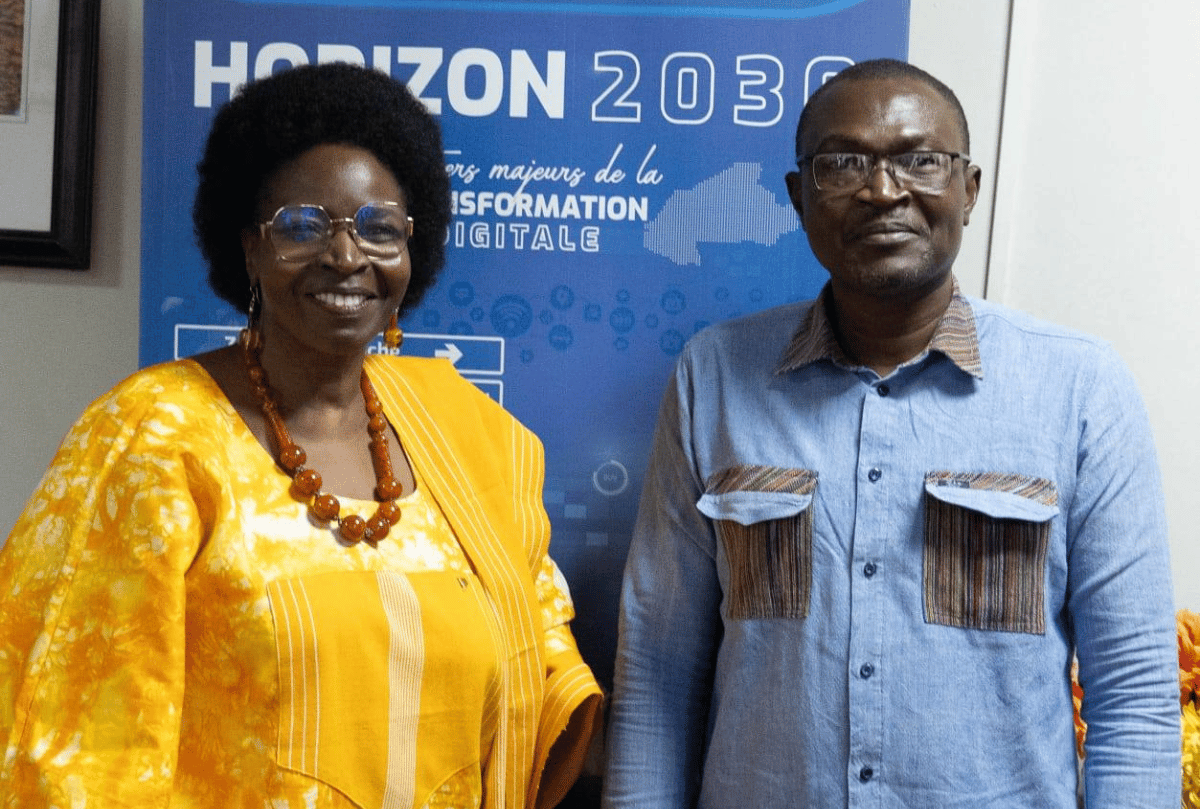
The Ministry of Digital Transition, Postal and Electronic Communications hosted the delegation led by the Ambassador of Burkina Faso in Rome, Cyrille Ganou Badolo. The meeting, chaired by Secretary-General Dr. Borlli Michel Some, representing the Minister of Digital Transition, focused on expanding collaboration in key areas of digital development.
Discussions covered a wide range of strategic sectors, including digital identity systems, healthcare digitalization, renewable energy integration, and the adoption of emerging technologies such as drones and artificial intelligence. The Italian delegation presented technology-driven solutions aimed at improving healthcare access, strengthening rural service delivery through drone applications, and enhancing medical data management systems, including vaccination tracking.
The investors, drawn from technology, agriculture, and energy sectors, expressed interest in developing public-private partnerships with Burkina Faso. Their approach emphasized the deployment of solutions adapted to local conditions while contributing international expertise to support national development priorities.
Burkinabe authorities outlined major priorities under the country’s digital transformation roadmap toward 2030, including nationwide telecom coverage through the elimination of “white zones,” improved connectivity quality, and the development of sovereign digital infrastructure. A key objective is ensuring that strategic national data is stored locally while strengthening the interoperability of public administration systems to enhance service delivery.
The discussions also highlighted the critical link between digital infrastructure and energy access, particularly in rural areas where solar-powered solutions are essential for sustaining telecom and digital services. Authorities encouraged the development of innovative and sustainable technologies to support this objective.
The meeting also emphasized the importance of local skills development and capacity building as part of Burkina Faso’s broader digital strategy. Officials reiterated the need for partnerships that include training, co-development, and knowledge transfer to strengthen domestic expertise and reduce reliance on imported solutions.
Both parties expressed their commitment to continuing discussions and advancing toward concrete project implementation. The engagement represents a significant step in Burkina Faso’s efforts to accelerate digital transformation through international partnerships, technological sovereignty, and sustainable development.
Credit: Source link