

Burkina Faso Deal Tests Washington’s Sahel Strategy
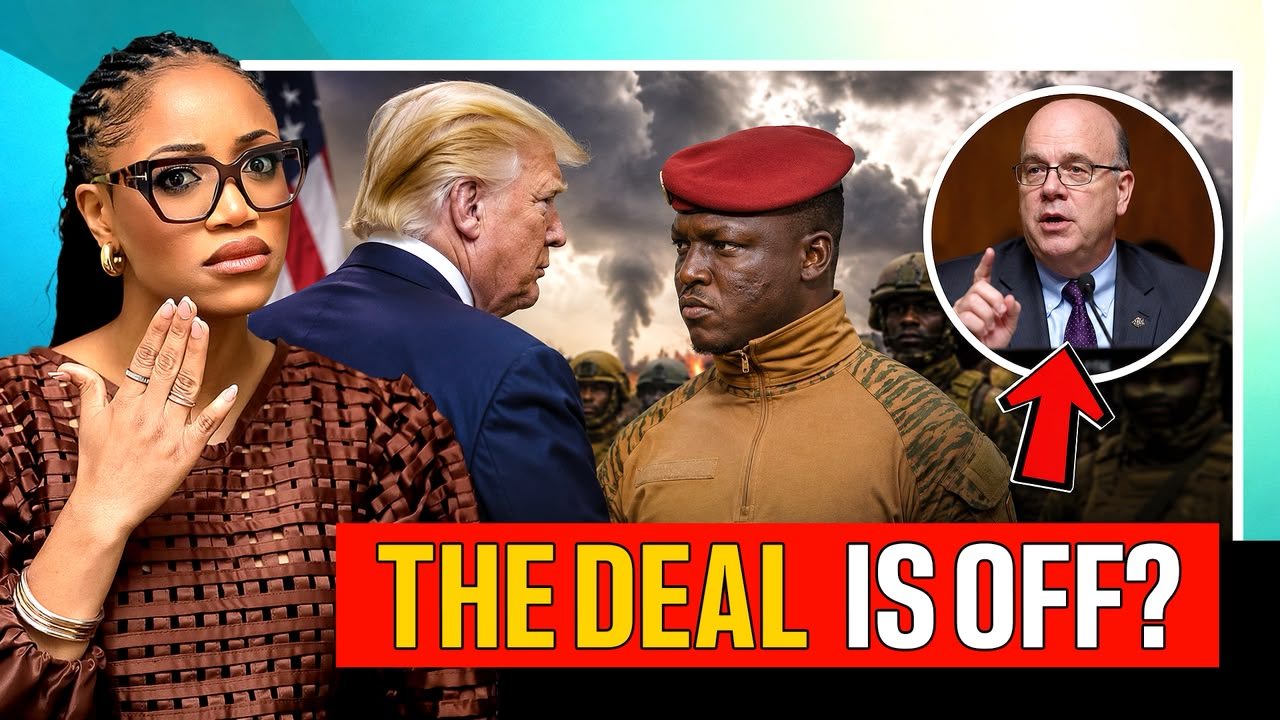
The United States is facing renewed questions over its approach to Burkina Faso after a U.S. lawmaker urged sanctions against the country and other Sahel states over alleged human rights abuses. The move comes months after Washington appeared to pursue a more pragmatic relationship with the region’s military-led governments, raising questions about whether the recent shift in policy can endure.
The latest development follows a five-year, $147 million U.S.-Burkina Faso health partnership announced earlier this year, alongside broader signs of renewed U.S. engagement with the Sahel. Washington has also resumed intelligence cooperation with Mali and lifted sanctions on senior Malian officials, suggesting an effort to preserve strategic ties with governments that have resisted Western pressure while competing powers, including Russia and China, expand their influence.
The pressure from Washington reflects a growing tension between two priorities: maintaining strategic access and cooperation in the Sahel while responding to allegations of abuses by governments fighting jihadist insurgencies. Burkina Faso’s government has rejected such criticism, arguing that its security campaign must be understood within the realities of a prolonged conflict. The dispute also highlights a broader question for African governments about how to preserve strategic autonomy while managing relationships with competing global powers whose policies can change with political and geopolitical circumstances.
The latest U.S. pressure raises questions about the durability of Washington’s new approach to the Sahel and the leverage African states retain as they diversify their external partnerships. Watch the full Breakdown episode for a closer analysis of what the dispute means for Burkina Faso, U.S. policy and Africa’s evolving position in a multipolar world.
Credit: Source link