

B2Gold Shares May Still Trade at a 30% Discount Even After Mali Permit Rally — BigGo Finance
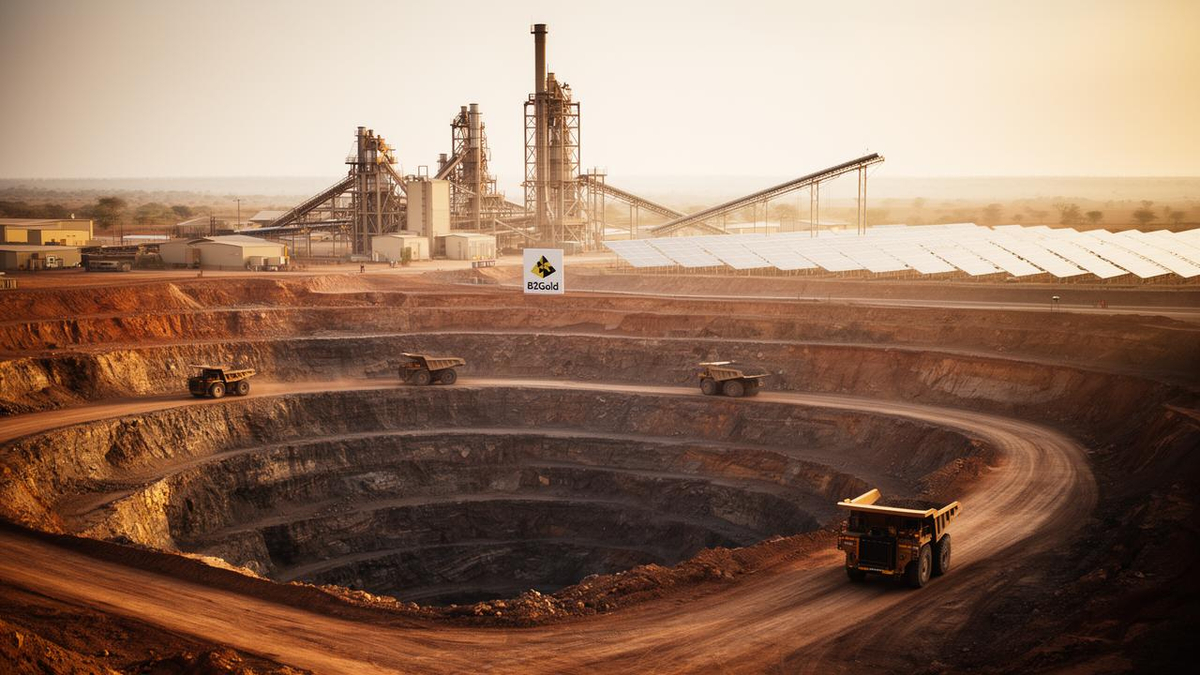
B2Gold Corp. (BTO.TO) shares have surged following the approval of a long-awaited mining permit in Mali, yet valuation models suggest the Canadian gold producer could still be trading at a significant discount to its intrinsic worth.
According to a valuation analysis published by Simply Wall St, B2Gold’s latest closing price of CA$7.03 remains well below a calculated fair value estimate of CA$10.05 per share. That gap implies the stock may be undervalued by roughly 30%, even after a dramatic 22.47% single-day jump and a 33.90% gain over the past seven trading sessions following the permit announcement.
The catalyst is the newly granted Menankoto exploitation permit, which completes the Fekola Regional package in Mali and clears the regulatory path for expanded mining activities tied to the project. The permit supports expectations for a longer mine life and higher throughput at the Fekola Complex, a cornerstone asset in B2Gold’s production portfolio.
“The ongoing investments in operational upgrades and early-stage renewables integration, such as the planned wind farm and medium-speed generators at Goose, position B2Gold to structurally lower long-term fuel costs and emissions,” the Simply Wall St bull-case narrative states. Those operational improvements are expected to protect margins against energy price volatility and could unlock lower financing costs while broadening institutional ownership.
B2Gold’s longer-term returns underscore the momentum. The stock has delivered a total shareholder return of 45.18% over the past year and 87.70% over three years, though the 90-day return shows a decline of 4.48%, reflecting the volatility that has characterized the name.
The valuation case rests heavily on the price-to-earnings multiple. B2Gold currently trades at a P/E ratio of approximately 8.3 times, a figure that sits well below the broader Metals and Mining industry average of around 15.9 times and beneath the peer group average of roughly 14.2 times. A tailored fair P/E ratio that accounts for B2Gold’s size, profitability profile and risk factors comes out at about 21.7 times, suggesting the market is applying a steep markdown to the company’s earnings stream.
Simply Wall St’s broader valuation screening supports the discount thesis: B2Gold appears undervalued on five of six checks, with the P/E metric standing out as the most compelling signal.
However, the community of investors tracking the stock remains divided. While the bull camp points to a 30% undervaluation driven by execution on operational upgrades and renewable energy integration, bearish voices argue the stock could be overvalued by as much as 22%. Their concern centers on structural risks to gold’s safe-haven status.
“The global proliferation of digital currencies and alternative assets may steadily erode gold’s safe-haven function, placing downward, long-lasting pressure on gold prices and undermining B2Gold’s ability to sustain revenue growth or justify elevated valuation multiples in the years ahead,” the bear case narrative warns.
Geopolitical risk in Mali remains the most tangible overhang. The West African nation has experienced political instability and regulatory uncertainty that has weighed on mining companies operating there. B2Gold’s exposure to higher-risk jurisdictions means investors may continue to demand a discount on future cash flows generated from Malian operations, even with the new permit in hand.
The central question for investors is whether the market will eventually re-rate B2Gold closer to peer and fair-value multiples, or whether the current valuation gap represents a lasting penalty for the jurisdictional risks attached to its project mix. The Menankoto permit removes one layer of uncertainty, but the broader country risk premium may take longer to dissipate.
With the stock already having absorbed a sharp upward move on the permit news, the debate now shifts to whether the easy upside has been captured or whether genuine fundamental undervaluation still offers a meaningful margin of safety for investors willing to look through the geopolitical noise.
Credit: Source link
Comments are closed.