

Thousands of eyeless, lifeless marine animals mysteriously washed ashore in Papua New Guinea
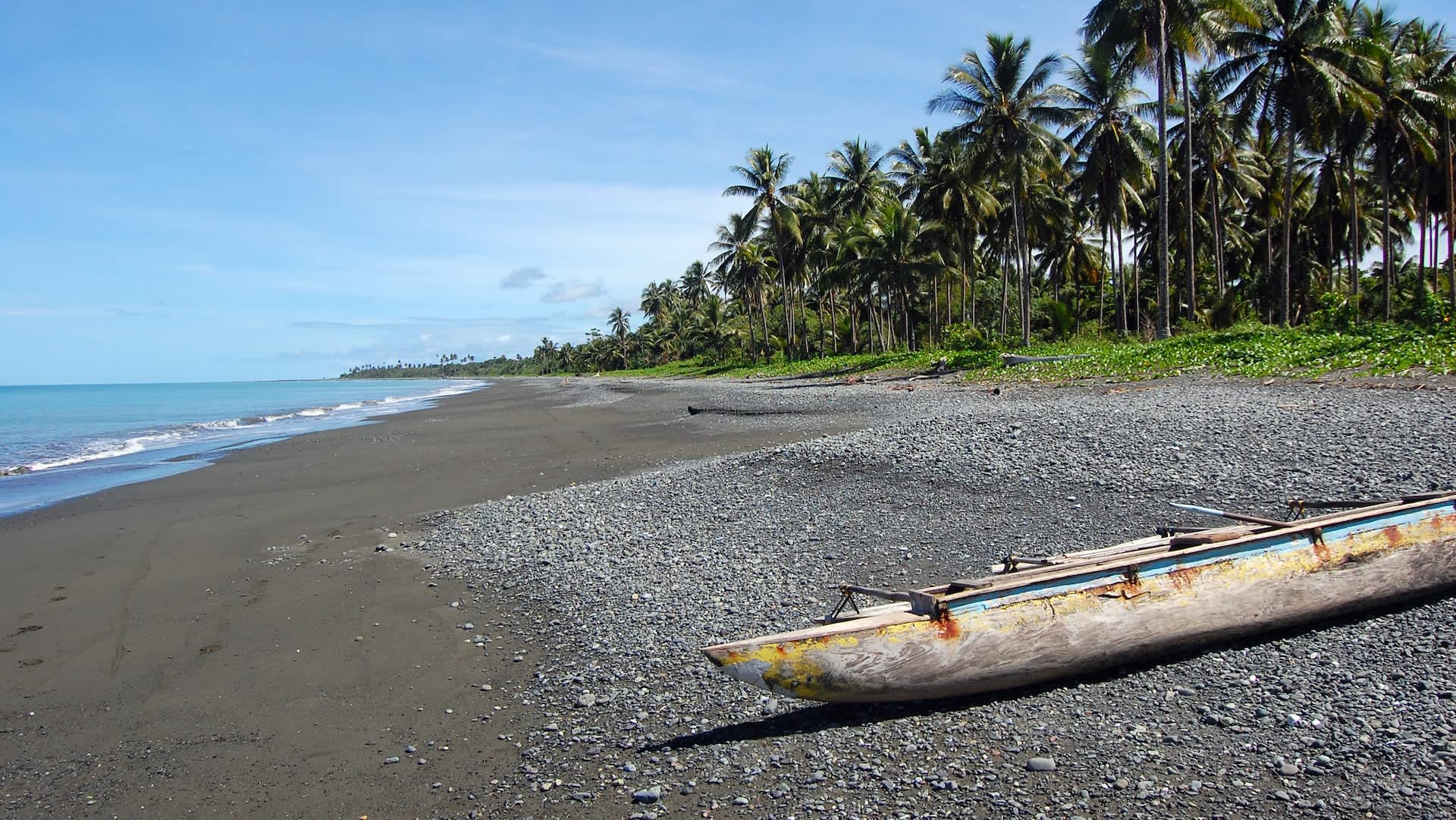
A horrifying scene is playing out in Papua New Guinea’s New Ireland, where fish and marine life are washing up on the island’s beaches.
What’s happening?
Inside Climate News reported on the mysterious ecological crisis that is threatening not just nature but also the livelihoods of the local community.
Early this year, John Aini, founder of Ailan Awareness, a local Indigenous-led marine conservation nongovernmental organization, went to survey the damage. What he saw shocked him.
“Hundreds and hundreds of fish littered the beach,” Aini recalled, per Inside Climate News. “I’ve never witnessed anything like it in my entire life.”
Aini said most of the fish had no eyes, and in five days, he and his crew observed 3,500 dead marine animals. Beyond 15 types of fish species, dead eels, sea cucumbers, lobsters, and a blacktip reef shark have washed up since.
“It is like the alien stories in the movies, but it’s happening here,” Aini commented.
|
The Merino Mono is a heating and cooling system designed for the rooms traditional HVAC can’t reach. The streamlined design eliminates clunky outdoor units, installs in under an hour, and plugs into a standard 120V outlet — no expensive electrical upgrades required.
And while a traditional “mini-split” system can get pricey fast, the Merino Mono comes with a flat-rate price — with hardware and professional installation included.
|
There’s been little to no response from the country’s leadership. Papua New Guinea’s Conservation and Environment Protection Authority took in water samples to test for potential sources of the disaster, but has been mum on the results, per Inside Climate News.
Ailan Awareness reported that at least 750 people residing on the New Ireland provincial coast have become ill after coming into contact with seawater. They’re being asked to stop eating fish as the authorities try to figure out what’s wrong.
Why is the ecological crisis in New Ireland alarming?
As Inside Climate News puts it, Papua New Guinea is centrally located in the Coral Triangle, “the global epicenter of marine biodiversity.”
The mass deaths of marine life in this region are concerning for biodiversity everywhere. It’s also threatening the very fabric of life for the affected communities.
“Our life is centered around the ocean,” Rebecca Marigu, an environmental journalist in New Ireland, said, per ICN. “That’s our source of income, source of protein.”
Local populations are struggling to avoid the ocean, and some communities are outright ignoring fishing bans.
What’s being done about New Ireland’s ecological crisis?
Finding out what is causing the die-off is critical. There are a host of theories, including runoff from pesticides and herbicides used at oil palm plantations. Other possibilities include fertilizers used in farming and sewage, which could be facilitating algal blooms in warming waters.
Inside Climate News noted that the sargassum, a type of algal bloom, has struck the area and can be deadly for fish and harmful for humans.
Amid this uncertainty, CEPA’s lack of communication is untenable for the community. Residents are trying to make it work by importing rice and noodles, using government-provided drinking tanks, and securing pockets of support through sources like GoFundMe.
Get TCD’s free newsletters for easy tips, smart advice, and a chance to earn $5,000 toward home upgrades. To see more stories like this one, change your Google preferences here.

Credit: Source link