

Dan Gertler sanctions cloud Trump’s $9B Congo mining deal
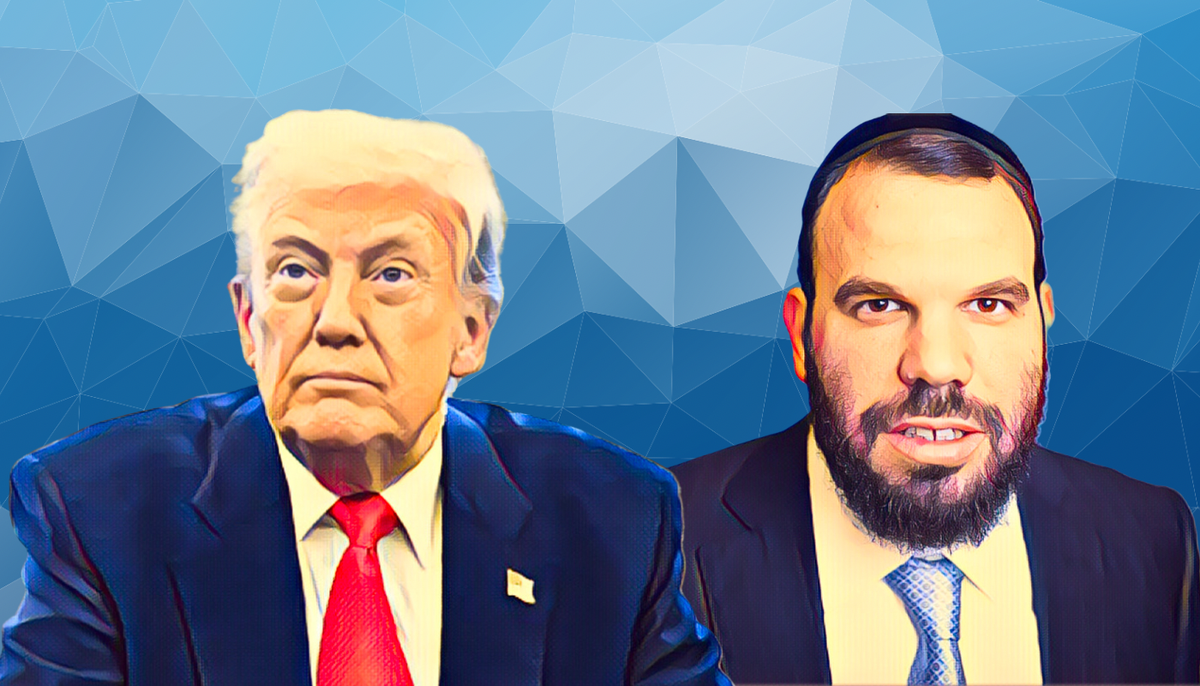
Donald Trump has made no secret of his ambitions in the Democratic Republic of Congo. When he celebrated a minerals deal from the White House last December, he said it plainly: “We’re going to take out some of the rare earth, take out some of the assets and pay. Everybody is going to make a lot of money.” The practical execution is proving more complicated, and at the center of the complication is Israeli billionaire Dan Gertler.
A $9 billion deal by a US-backed consortium to acquire a 40% stake in Glencore’s two most important copper and cobalt operations in Congo, Mutanda Mining and Kamoto Copper Company, has stalled over royalty claims tied to Gertler. He has been under US Treasury sanctions since 2017, when Washington accused him of using his close relationship with former Congolese President Joseph Kabila to acquire mining and oil rights through what the Treasury described as corrupt and opaque arrangements. Between 2010 and 2012 alone, deals involving his companies prevented Congo from collecting more than $1.36 billion in revenues.
The deal in question involves the Orion Critical Minerals Consortium, a private vehicle led by Orion Resource Partners and backed by the US International Development Finance Corporation, the government’s development finance arm. The DFC has described the initiative as the largest effort yet to build secure US critical mineral supply chains. The non-binding agreement with Glencore was signed in February. Due diligence is running. US Deputy Secretary of State Christopher Landau has said the administration is “fully committed” to the partnership. What is not moving is the Gertler question.
Glencore settled a royalties dispute with Gertler in 2018, agreeing to pay him in euros rather than dollars to avoid directly violating US sanctions. That arrangement has allowed Gertler to collect roughly $250,000 a day in royalties from the Kamoto and Mutanda operations, according to anti-corruption groups who have studied the deal. Any US-backed entity acquiring a stake in those assets would find itself in implicit partnership with a man their own government sanctioned under the Global Magnitsky Act.
Anti-corruption groups including the Congo is Not for Sale coalition have pushed back hard on any suggestion of sanctions relief, noting that Glencore itself paid more than $150 million in a Swiss corruption investigation into transactions involving Gertler at the Mutanda and Kansuki mines. The Sentry, an investigative nonprofit co-founded by George Clooney, has argued that easing sanctions would take the DRC backwards and put US companies at legal and reputational risk.
The DRC’s president, Felix Tshisekedi, has lobbied Washington directly, making clear that resolving the Gertler royalty question is a national priority and a precondition for unlocking large-scale Western investment. China controls approximately 80% of global cobalt refining and dominates DRC mining operations. Every week the Orion deal sits unresolved is a week Beijing faces no competition.
A Jacobin analysis published this week describes the broader pattern in stark terms: “Dan Gertler is perhaps the individual who has most profited from Congo’s mineral wealth. He built a massive system of corruption that was sanctioned by the US government, but which has been skirted with the complicity of Glencore. Everyone seems to have made their peace with this situation.” Gertler has consistently denied wrongdoing.
Crédito: Link de origem