

Billionaire Christo Wiese’s Virgin Active buys German gyms
Virgin Active, the health club chain controlled by South African billionaire Christo Wiese’s investment company Brait Plc, has agreed to buy Holmes Place Germany for €135 million ($151.2 million), taking the gym operator into Europe’s largest fitness market for the first time.
The deal, worth about R2.5 billion, gives Virgin Active 13 premium clubs in Berlin, Düsseldorf, Hamburg, Cologne, Essen and Lübeck, with 84,100 members. Virgin Active signed the unconditional agreement on Oct. 30 and announced it from Berlin on Nov. 9. The cash price is subject to customary completion adjustments, and the transaction is expected to close in mid-December.
Virgin Active is paying with cash already on its balance sheet, raised in a £175 million ($232.8 million) rights issue that closed in October. Brait, which owns 61.3% of the gym group, put up £108 million ($143.6 million) of that money, its full share.
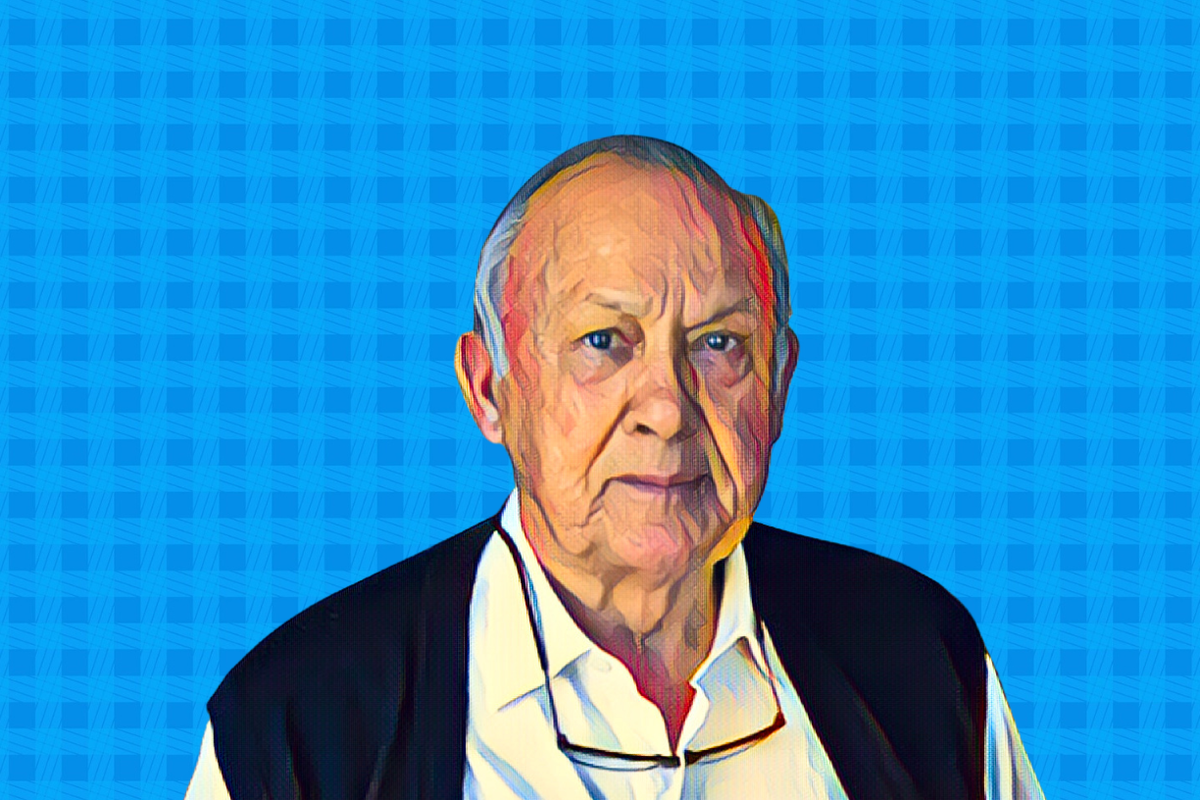
Wiese is Brait’s largest shareholder through his investment vehicle, Titan. The German purchase comes as Brait works toward a stock-market listing or sale of the gym business.
A premium German business
Holmes Place Germany is forecast to generate €70.2 million ($78.6 million) in revenue and €21.5 million ($24.1 million) in earnings before interest, taxes, depreciation and amortization this year, with Ebitda up 27%. The price works out to 6.3 times that forecast Ebitda. Brait values its own stake in Virgin Active using a multiple of 9 times maintainable Ebitda.
On a pro forma basis, the German clubs would have contributed about 14% of Virgin Active’s group Ebitda for 2026. After the deal, operations outside South Africa will account for 56% of group Ebitda, with South Africa making up the remaining 44%.
The seller is a joint venture between Holmes Place Europe and funds controlled by Munich-based AUCTUS Capital Partners AG, which have owned the German business together since 2016. Doron Dickman, chief executive of Holmes Place Germany, will stay in his role, and Virgin Active plans a gradual integration. It expects to spend extra capital on rebranding the clubs.
“Our entry into Germany is an important milestone in Virgin Active’s global expansion in the premium wellness segment,” said Dean Kowarski, Virgin Active’s group chief executive.
Dickman said joining the group “marks the beginning of a new phase of development for our operations in Germany.”
Germany has about 12.4 million health club members, the most in Europe, and the premium end of the market is forecast to grow 9.3% through 2028.
Debt and the road to a listing
The purchase will raise Virgin Active’s net debt to about 2.9 times Ebitda, from 2.4 times after the October capital raise. That raise, combined with a refinancing and the conversion of preference shares into ordinary equity, cut the group’s debt by £243 million.
Before the German deal, Virgin Active ran 224 clubs in 10 countries with more than 1 million members, along with more than 260 healthy food restaurants. Its Ebitda rose 37% to £110 million ($146.3 million) in the year through December 2025, with growth in every region except Australia. Southern Africa accounted for 35% of group revenue in the year through March and had 623,000 active members.
Brait said in June that Virgin Active’s growth should position it for an exit within two years. The company has pointed to a listing in the second half of 2027 or the first half of 2028, most likely in the U.K. with a secondary listing in Johannesburg. Brait presents its interim results on Nov. 11.
Wiese, 85, built Shoprite into Africa’s largest grocery retailer and later became the biggest shareholder in Steinhoff International, whose 2017 accounting scandal wiped out most of his fortune. Forbes counts him among Africa’s billionaires. Brait bought control of Virgin Active from Richard Branson’s Virgin Group and CVC Capital Partners in 2015.
Figures were converted at R16.6 to the dollar, €1 to $1.12 and £1 to $1.33.
Crédito: Link de origem