

Billionaire Rabiu’s BUA Cement posts $339m nine-month profit
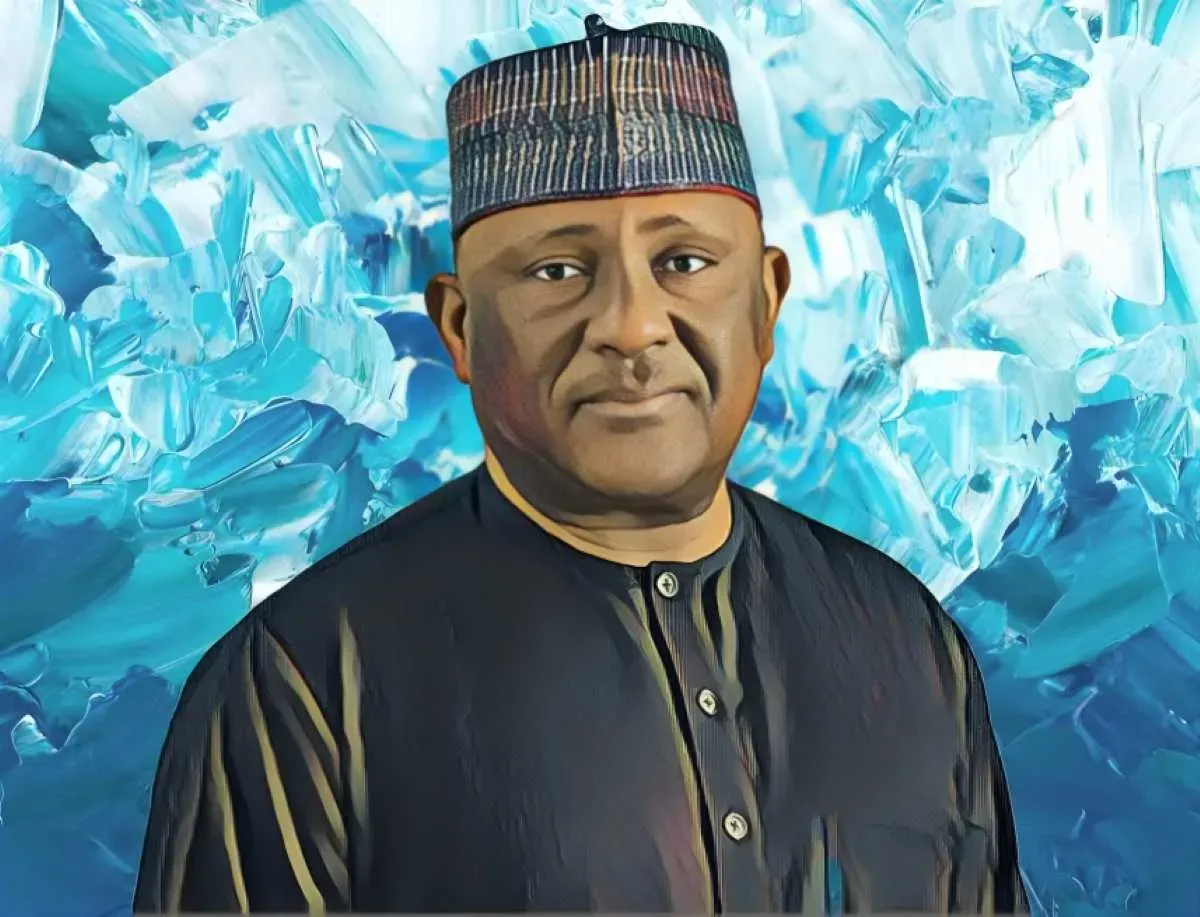
BUA Cement Plc, the Nigerian cement maker controlled by billionaire Abdul Samad Rabiu, raised its profit by 60% in the first nine months of 2026 as revenue climbed past ₦1 trillion and production costs rose far more slowly than sales.
Profit after tax rose to ₦463.1 billion ($339 million) in the nine months to Sept. 30, from ₦289.9 billion a year earlier, according to unaudited results filed with the Nigerian Exchange. Revenue increased 26.5% to ₦1.09 trillion ($796 million), while cost of sales grew only 8.8% to ₦466.4 billion. Gross profit jumped 44.2% to ₦620.3 billion ($454 million), lifting the gross margin to 57.1% from 50.1%.
Operating profit rose 46.7% to ₦536.5 billion ($393 million), and profit before tax climbed 64.4% to ₦556.7 billion ($408 million). Earnings per share increased to ₦13.68 from ₦8.56.
Rabiu, 66, is the founder and chairman of BUA Group, a Nigerian conglomerate with interests in cement, sugar, flour, pasta and real estate. He also controls BUA Foods Plc, another company listed in Lagos.
Slower third quarter
Growth eased in the three months to September. Third-quarter profit after tax rose 26.9% to ₦138.2 billion ($101 million) on revenue of ₦357.8 billion ($262 million), up 28.5%. Profit before tax increased 39.2% to ₦172.3 billion, but the tax charge more than doubled to ₦34.1 billion.
Quarterly profit has fallen in each quarter this year. BUA Cement earned ₦176.4 billion in the first quarter and about ₦148.5 billion in the second, before the ₦138.2 billion it booked in the third. A smaller foreign-exchange gain also weighed on the latest quarter, falling to ₦12.6 billion from ₦20.8 billion a year earlier.
Lower interest costs helped the nine-month result. Finance costs fell 36.7% to ₦35.5 billion ($26 million), and finance income nearly tripled to ₦26.6 billion as the company earned more on its cash.
The profit growth was faster than that of Dangote Cement, Africa’s largest cement producer, which raised nine-month profit 31% to ₦974.8 billion. BUA Cement’s profit is now a little under half of its larger rival’s.
Borrowing rises with expansion
The company is borrowing more to fund growth. Total bank borrowings rose to ₦613.1 billion ($449 million) at the end of September from ₦469.4 billion at the end of December, driven by an increase in long-term loans to ₦476.7 billion. Cash fell to ₦266.4 billion ($195 million) from ₦280.4 billion.
Spending on property, plant and equipment reached ₦127.5 billion ($93 million) in nine months, well above the ₦79.6 billion spent in all of 2025. In January, BUA Cement signed a $240 million deal with China’s CBMI Construction for a sixth production line at its plant in Sokoto, in northwest Nigeria. The 3 million-ton line, which includes its own power plant, is due to be completed within 20 months and will lift the company’s installed capacity to 20 million tons a year. BUA Cement also runs lines at Obu in Edo state, in the south.
The company paid ₦338.6 billion ($248 million) in dividends during the period, after shareholders approved a final dividend of ₦10 a share for 2025. Rabiu’s direct holding received about ₦189.7 billion ($139 million) of that.
Total assets rose to ₦2.06 trillion ($1.51 billion), and shareholders’ equity increased to ₦797.4 billion ($584 million).
Rabiu’s stake
Rabiu owns 18.97 billion BUA Cement shares directly, or 56.03% of the company. BUA Industries Ltd., part of his BUA Group, holds another 39.75%, and he owns a further 1.88% indirectly. Together that gives him control of about 97.7% of the company, leaving 2.32% in public hands.
BUA Cement shares closed at ₦293.40 on Thursday, about 10% below the ₦325 they reached after the company’s first-half results in July. That values the company at ₦9.94 trillion ($7.28 billion) and Rabiu’s direct stake at ₦5.57 trillion ($4.08 billion).
Including the shares held through BUA Industries and his indirect holding, the stake he controls is worth about $7.11 billion.
Figures were converted at ₦1,365 to the dollar.
Crédito: Link de origem