

Billionaire Lee Jae-yong marks four years as Samsung chief
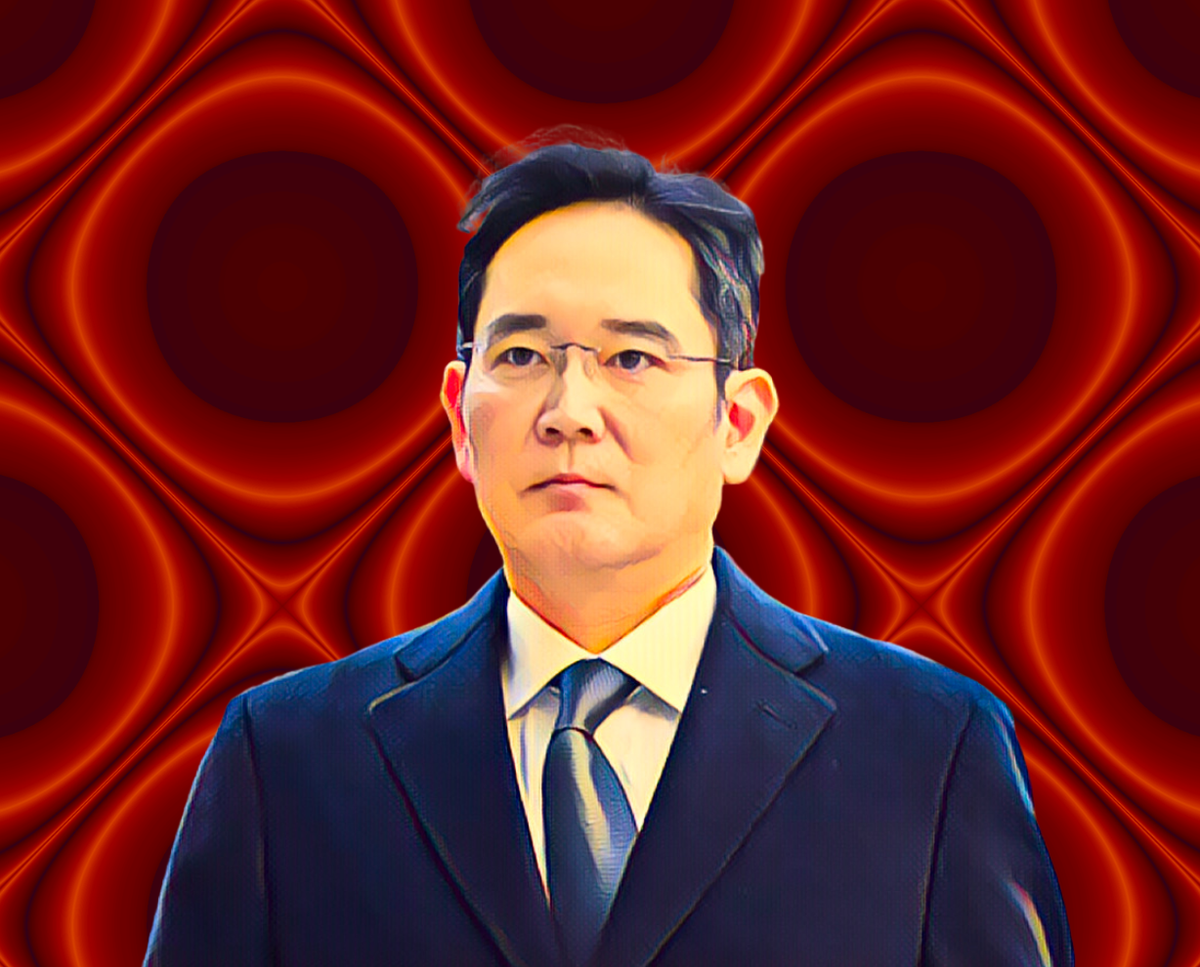
South Korean billionaire Lee Jae-yong marked four years as chairman of Samsung Electronics Co. on Tuesday with a visit to the company’s robotics unit, two days before it reports full results for a quarter in which its operating profit jumped almost ninefold to about 107.4 trillion won ($81.1 billion).
Lee, 58, held no ceremony and issued no message for the anniversary, as has been his habit since he took the chairman’s title on Oct. 27, 2022. He spent the afternoon at Samsung’s Robotics Experience business office at its research campus in Seoul’s Seocho district, where he reviewed plans to show the company’s robot technology at the CES electronics show in Las Vegas in January and checked progress on humanoid robots.
Samsung set up the robotics office under the direct control of its chief executive to pull together robotics work that had been spread across the group. The company wants to move from factory robots into household and service machines, and aims to turn all of its plants in Korea and abroad into AI-run factories by 2030.
From chip slump to record profit
The figures Samsung will release on Thursday show how far the company has come since Lee’s first full year in charge. In 2023, a slump in memory-chip prices left its semiconductor division with an operating loss of more than 14 trillion won ($10.6 billion), and the whole company made an operating profit of just 6.57 trillion won ($5 billion) on revenue of 258.94 trillion won ($195.6 billion).
Samsung kept spending through the downturn. It invested 53.1 trillion won ($40.1 billion) in plants and equipment that year, 48.4 trillion won of it in its chip business, and raised research spending to 37.7 trillion won ($28.5 billion) in 2025.
Demand for memory used in artificial-intelligence data centers has since turned the business around. In preliminary figures released on Oct. 8, Samsung estimated third-quarter operating profit at about 107.4 trillion won, up 783% from a year earlier, on revenue of about 195 trillion won ($147.3 billion), up 127%. It was the first time a South Korean company had earned more than 100 trillion won in operating profit in a single quarter. Analysts had expected about 106.6 trillion won.
Sales of HBM4, the latest generation of the high-bandwidth memory chips that sit alongside AI processors, to Nvidia Corp. for its Vera Rubin platform drove much of the gain, along with higher prices for conventional DRAM. Samsung began mass shipments of HBM4 in February and sent samples of the next version, HBM4E, to customers in the second quarter. Its smartphone and consumer electronics division is expected to post a second straight quarterly loss as memory shortages raise costs and phone demand weakens.
Analysts expect Samsung to earn about 370 trillion won ($279.5 billion) in operating profit for the whole of 2026.
Shares and fortune
The profit surge has not stopped a sharp pullback in the stock. Samsung shares rose 4.2% on Tuesday to close at 222,000 won ($168), but they remain about 41% below their 52-week high of 374,500 won as investors question whether heavy spending on AI will keep paying off. Foreign investors sold a net 6.96 trillion won ($5.3 billion) of South Korean stocks on Monday alone.
Lee is South Korea’s richest person and was worth about $34 billion in May, when Samsung’s market value passed $1 trillion. On Oct. 12 he was due to buy 7.19 million Samsung Electronics shares from his mother, Hong Ra-hee, for about 1.9 trillion won ($1.4 billion), lifting his direct stake to 1.58%.
His fourth year as chairman was also the first full year without a criminal case hanging over him. In July 2025, South Korea’s Supreme Court upheld his acquittal on charges of stock manipulation and accounting fraud tied to the 2015 merger of two Samsung affiliates, ending legal proceedings that had run for nearly a decade.
Lee’s next test, according to an industry official, is whether Samsung can win repeat orders for its next-generation HBM chips, make its contract chipmaking business competitive and restore profit in its phone and appliance divisions once the current boom cools. Samsung’s annual executive reshuffle is expected at the end of November.
Crédito: Link de origem