

American billionaire Bill Gates plans big AI safety push
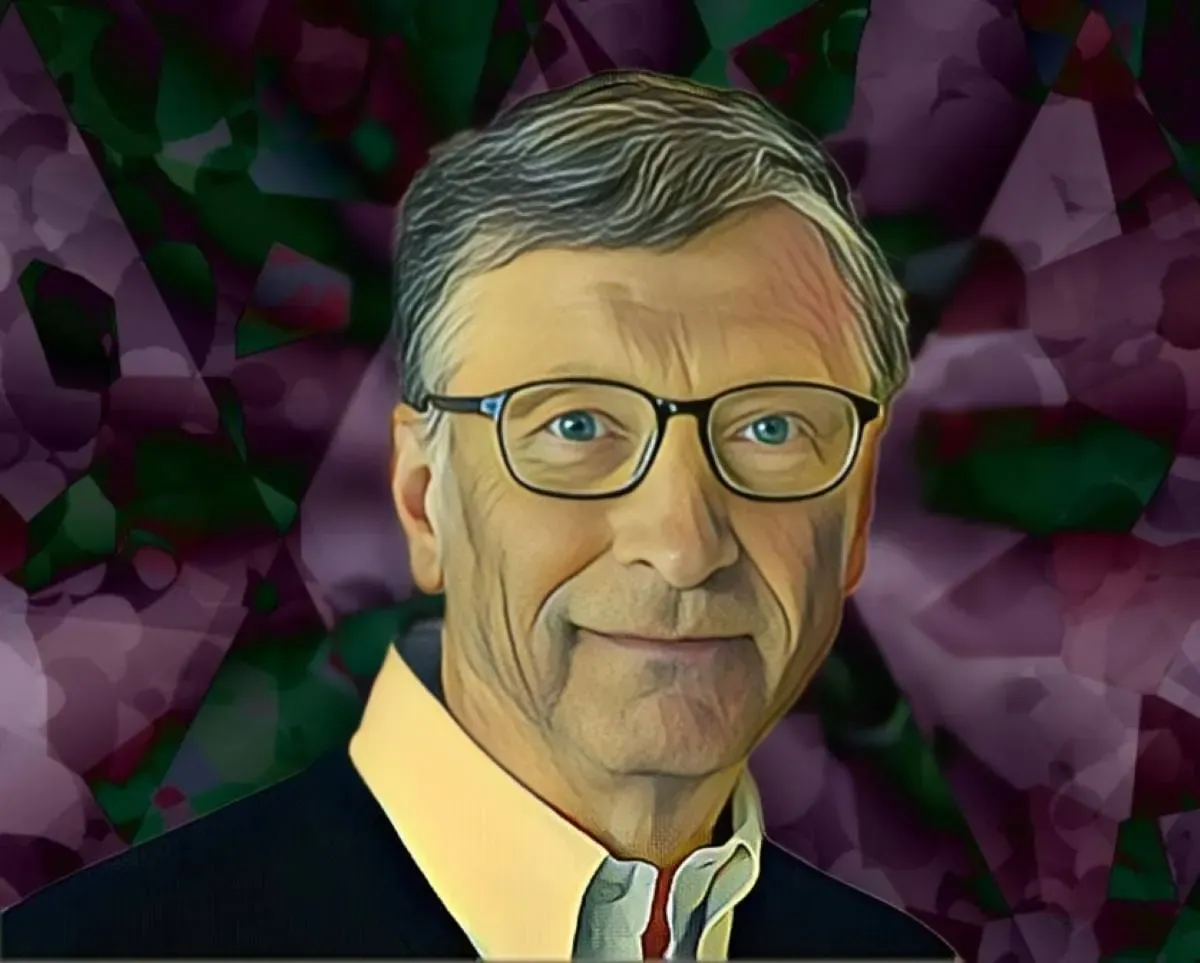
American billionaire Bill Gates, the co-founder of Microsoft, is preparing to sharply expand his campaign for artificial intelligence safety and is considering committing a significant amount of his own money to the effort, Axios reported on Thursday, citing people familiar with his plans.
Gates also intends to lean personally on corporate executives to take the risks of AI more seriously, according to the report. Axios did not say how much money he might put behind the push.
The people told Axios that Gates, long one of the technology’s best-known optimists, has grown more worried as AI models have become more capable, as security incidents have piled up and as he has come to see government oversight as falling short. They said he now regards reducing the risks of AI as one of the most important issues he will work on in his lifetime.
In preparing the campaign, Gates has held extensive talks with AI executives, researchers and safety advocates, including Dario Amodei, the chief executive of Anthropic, according to the report. Gates told Axios in an interview that lawsuits against AI companies are not enough to head off a potential catastrophe, Fox News reported, citing the Axios piece.
At odds with the White House
A push for binding rules would put Gates in conflict with President Donald Trump’s administration, which has favored a lighter approach and has relied largely on voluntary safety commitments from the companies building the most advanced models.
Gates has already taken that fight public. In an interview with NBC’s Meet the Press that aired in late September, he said that “no one thinks self-regulation is enough” and called on Congress to pass legislation, Reuters reported. Asked about Trump’s description of warnings over existential AI risks as a hoax, Gates said, “It’s not a hoax at all.”
He also told NBC that AI is powerful enough to “cause a billion deaths,” and said a “kill switch” that could stop a dangerous model would not be enough on its own. “We do need to monitor any sophisticated model and record exactly what’s being done,” he said, according to Bloomberg.
Gates said he wanted to meet Trump to discuss the issue. Reuters reported in August that he also hoped to meet Chinese President Xi Jinping, tentatively in November, to propose global measures to contain AI risks. His spokesperson said at the time that staff were finalizing the meeting.
From optimist to critic
The shift has been building for months. In a long essay published on Aug. 26, Gates called for enforceable rules, saying the latest systems had outgrown voluntary commitments and broad principles. He proposed mandatory reviews of models capable of helping with bioweapons work before they are released, international agreements on monitoring such systems, a tax on some uses of AI that replace workers and a category of “human reserved” jobs, such as caregiving, that would be shielded from automation.
He also suggested a new international body to oversee AI, drawing in part on nuclear inspections, aviation rules and the treaties that protect the ozone layer, according to Reuters.
Gates said at the time that executives who understand the technology share his concerns in private but avoid saying so in public. “In private, people who understand how good this stuff is, and how much better it’s getting, they’re very worried,” he said, according to TechSpot. “Self-regulation on the most dangerous tool ever invented? No, thanks!”
He has also said he was surprised by how quickly AI coding tools, including Anthropic’s Claude Code, have improved in the area he knows best.
Gates, 70, now spends most of his time on the Gates Foundation, which plans to spend about $200 billion before it closes at the end of 2045. In September the foundation pledged $1 billion over two years to widen access to AI tools in health, education and farming, as Gates warned that without regulation the technology could deepen inequality.
In a CNN interview that aired on Sunday, Gates said governments must decide how to tax AI and robot use, and warned that the world should expect “a lot of negative surprises” over the next year, mainly in cybersecurity.
Crédito: Link de origem