

Morocco’s southern development model offers lessons for regional stability, Geneva panel says
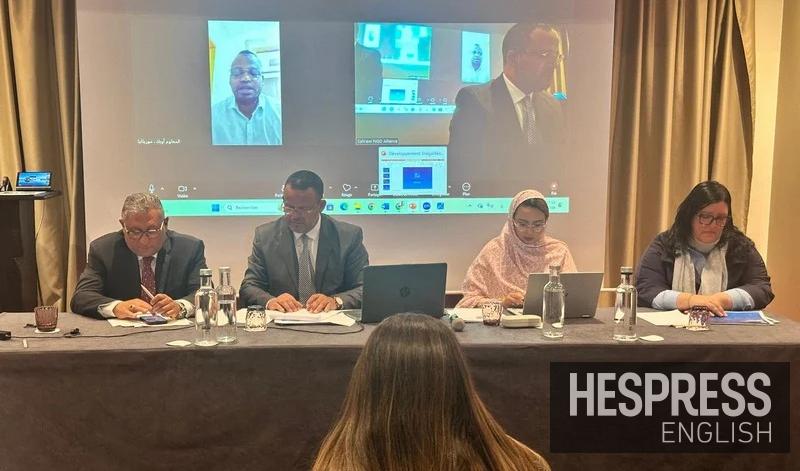
Morocco’s investments in its southern provinces could help strengthen regional cooperation and prevent conflict, academics and rights advocates said Wednesday in Geneva, citing gains in education, infrastructure and economic growth while calling for closer scrutiny of how projects benefit residents.
The Coalition of Sahrawi NGOs organized the Sept. 9 discussion alongside the UN Human Rights Council’s 63rd session, bringing together speakers examining development, migration and cooperation between Morocco and Mauritania.
Coalition coordinator Mina Laghzal argued that the southern provinces offered a practical example of the right to development: translating access to education, services and economic opportunities into measurable improvements in people’s lives.
She cited average annual economic growth of 7.7% between 2014 and 2023, compared with 4.4% nationally. School enrollment among those ages 6 to 22 rose from 76.4% in 2004 to 97% in 2024, according to figures she presented.
Multidimensional poverty, which measures overlapping deprivations beyond income, had also fallen below the national level in Laayoune-Sakia El Hamra and Dakhla-Oued Eddahab, she said.
Laghzal cautioned that the model could not simply be copied elsewhere, but argued that its emphasis on participation and sustainability offered lessons for regions affected by prolonged disputes.
Extending that argument across the border, Mauritanian academic El Maaloum Oubek identified the Tiznit-Dakhla expressway and Dakhla Atlantic port as projects capable of improving economic and logistical links between Morocco and Mauritania.
He proposed a regional observatory on human rights and development to track social and economic change, alongside stronger local involvement in managing resources and setting priorities.
On migration, Sara Parisi, director general of Italy’s International Observatory for Human Rights and Research, challenged the assumption that development automatically reduces departures.
Higher incomes can initially give more people the means to migrate, she said. Reducing unsafe migration over time requires decent jobs, investment in countries of origin, climate resilience and safe travel channels.
Ayman Aqil, president of the Maat Foundation for Peace, Development and Human Rights, described Morocco’s southern investment program as “development diplomacy” that could support the political process toward settling the regional dispute.
Drawing on conflicts elsewhere in Africa, he argued that development should form part of prevention efforts, with infrastructure, healthcare, education and social protection helping create conditions for stability.
Participants recommended establishing a civil society observatory to assess major projects’ social and economic effects. They also urged greater participation by women, young people and people with disabilities, so that local development plans reflect residents’ needs and priorities.
Credit: Source link