

A new capital of cultural diplomacy
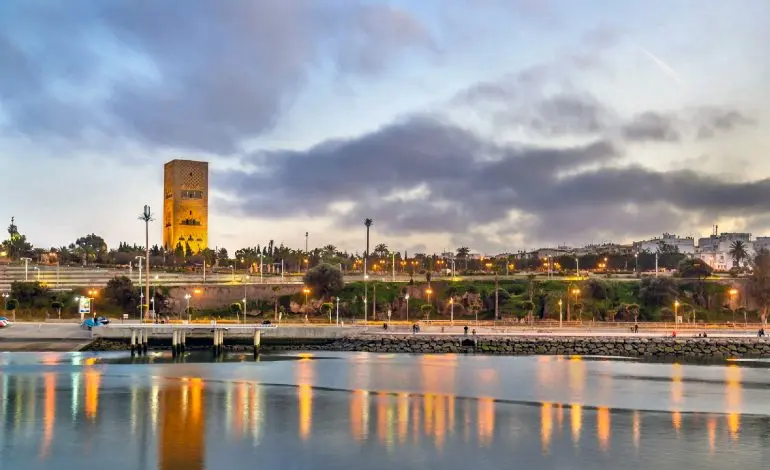
Beyond mere declarations of intent, what forward-looking interpretation can be drawn from the choice of Rabat as the new headquarters for the African Capitals of Culture?
Africa has decided to move from a focus on celebration to one of cultural governance – both immediate and long-term. The opening of Africa’s permanent headquarters for cultural diplomacy in Rabat last month marks a new chapter for the African Union’s cultural programme. The aim of this institution is not merely to organise events; it now seeks to follow a well-thought-out and structured roadmap.
The purpose of this project centres on the creation of a new institution, one with clear and coherent objectives and prospects. Among its main missions are the ability to shape public cultural policies, to coordinate African cultural networks, to produce strategic analyses and to support the African Capitals of Culture.
As we can see, culture is no longer merely synonymous with identity and heritage; it is now an instrument of power. All the discussions centre on a single idea: for culture to shift from a heritage-based perspective to a strategic objective, it must become an economic tool for diplomatic influence, social cohesion and African integration.
This institution will represent the heart of African discourse, and indeed serve as a centre for training and cooperation amongst African cities. If these stated ambitions are realised, this headquarters could become an incubator for cultural and creative projects, enabling Africa to establish a platform for dialogue between institutions and local authorities.
The opening of the permanent headquarters of the Secretariat of African Capitals of Culture in Rabat marks more than just the inauguration of a new building. It crowns several years of deliberation on a pan-African project that aims to make culture a driver of development, cooperation and integration. With this establishment, the initiative is taking a new step forward: that of its institutionalisation.
A long-standing initiative
The idea took shape in 2018, during the Africities Summit held in Marrakesh. At that time, the project’s promoters shared a simple conviction: culture can no longer be confined solely to the realms of heritage or identity. It must become a tool for development capable of supporting the continent’s economic, social and territorial transformations.
Within this framework, African cities will play a central role, making culture a driving force for attractiveness, innovation, social cohesion and cooperation. It was in this spirit that the African Capitals of Culture initiative was launched, conceived as a programme designed to connect the continent’s major cities whilst showcasing their heritage and cultural expressions.
This vision was first realised in 2020–2021 with the designation of Rabat as the first African Capital of Culture. Going far beyond a mere series of artistic events, this inaugural edition demonstrated that a cultural policy can become a regional development project. The Moroccan capital thus established itself as a space for dialogue between institutions, artists, researchers and citizens, whilst illustrating the role that culture can play in enhancing the international profile of African cities.
Four years later, the opening of the permanent headquarters appears to be the logical next step following this initial experience. The programme is gradually moving away from a short-term, event-based approach towards a long-term one. It has a permanent venue, as well as a governance structure and organisational framework capable of monitoring projects and coordinating future editions.
According to the chair of the African Capitals of Culture committee, Adama Traoré, this headquarters is set to become a ‘common home’, a space for dialogue, reflection and cooperation in the service of African cities.
Beyond its institutional dimension, this new structure meets a need for continuity. It will support the preparation of future editions, starting with Praia, in Cape Verde, in 2028, whilst consolidating the cooperation networks forged since the first edition held in Rabat. It will also provide a permanent framework for sharing experiences, developing partnerships and strengthening exchanges between the various cities involved in this initiative.
The challenges of a strategic establishment
The secretariat’s ambitions, however, extend far beyond the mere coordination of the programme. It aims to contribute to the strengthening of African cultural policies, support the development of cultural and creative industries, encourage the circulation of expertise, and promote the continent’s tangible and intangible heritage. By establishing a permanent structure, the African Capitals of Culture are affirming their commitment to moving beyond the mere framework of events to become a tool for cooperation in the service of African cultural development.
The choice of Rabat reflects the role Morocco now plays in the dynamics of African cooperation. By establishing the Secretariat in the Moroccan capital, the programme’s organisers aim to ensure that this initiative is firmly and sustainably embedded at the heart of exchanges between the continent’s cities, institutions and cultural stakeholders.
The first challenge is of a geopolitical nature. For several years now, the Kingdom has been strengthening its presence in Africa through a policy based on investment, South-South cooperation, institutional partnerships and academic exchanges. Hosting this institution adds a new dimension to this strategy by making culture an instrument of diplomacy and influence. Rabat thus reaffirms its role as an African platform for dialogue and cooperation.
The expected benefits are also economic. The cultural and creative industries are among the most dynamic sectors internationally. Cinema, music, audiovisual media, design, heritage, crafts, publishing, digital technologies and cultural tourism are all sectors that generate jobs and value. By becoming the programme’s operational centre, Rabat could attract new partnerships, funding, international events and professional networks, whilst fostering the emergence of cultural projects led by African stakeholders.
The establishment of the headquarters is also of particular interest to local authorities. African cities face common challenges: rapid urbanisation, population growth, youth employment, heritage preservation and social cohesion. In this context, the African Capitals of Culture can serve as a testing ground for the exchange of best practices. The headquarters in Rabat thus provides a space where local authorities can share their experiences, develop joint projects and reflect together on the cultural policies of the future.
Finally, the prospects opened up by this establishment go far beyond mere symbolism. If the stated ambitions are realised, Rabat will establish itself as one of Africa’s leading centres for reflection on cultural policies. This institution could become a meeting place for decision-makers, researchers, local authorities, artists and cultural entrepreneurs. Its purpose will be to support the emergence of new initiatives, to encourage cooperation between African cities and to make culture a driving force for development, innovation and continental integration. In other words, the Rabat headquarters may become one of the spaces where, in the long term, African cultural governance is shaped.
Crédito: Link de origem