
NHRC urges Niger Delta to document oil industry abuses, seek redress
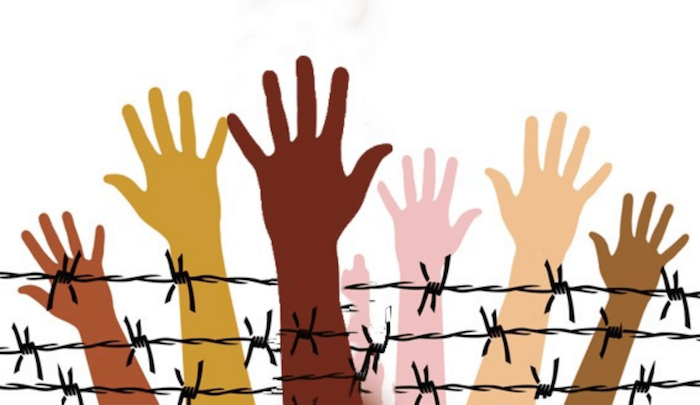
The National Human Rights Commission (NHRC) has urged Niger Delta communities to document abuses by oil companies and use the Commission’s complaint mechanisms to seek remediation and compensation.
The comment came against the backdrop of more than five decades of calls for environmental justice and remediation of polluted sites in Ogoni and other areas of the Niger Delta.
Tony Ojukwu, Executive Director of the Commission, at a human rights workshop in Port Harcourt on Thursday, said communities must begin to proactively take advantage of opportunities available in the commission to defend their rights.
The one-day “Extractive Host Communities and Human Rights Defenders Training Workshop,” held in partnership with the African Law Foundation (AfriLaw), brought together youth representatives, women, journalists, civil society actors and community leaders from host communities.
Ojukwu, represented by Chinwe Okoroji, NHRC’s Rivers State Coordinator, told participants that “Your being here today reflects a shared dedication to strengthening collaboration, deepening accountability, and ensuring that the principles of human dignity, justice, and equality are upheld in our society.”
He described the workshop as a way of strengthening the collaboration between defenders and state institutions and making complaint mechanisms more accessible.
Ojukwu highlighted workshop sessions on who qualifies as a human rights defender, the UN Guiding Principles on Business and Human Rights (UNGPs), the Voluntary Principles on Security and Human Rights, and the NHRC’s complaint procedures.
Read also: Open Maternity Project targets 12,000 breastfeeding, pregnant women in Akwa Ibom
He stressed that “the training is aimed at strengthening the institutional capacity of individuals, actors and the media, CSOs, by equipping them with the right techniques to defend their rights and seek redress in disputes relating to human rights violations.”
Ojukwu urged participants to use the commission’s channels to bring forward documented cases of environmental and social harm.
Chinwike Okereke, AfriLaw’s Executive Director, said the Port Harcourt training is the fifth in a nine-state series aimed at building frontline capacity to record harms, analyse risks and pursue legal and administrative redress.
He warned that recent divestments by Shell and other oil firms were carried out without adequate community consultation and risk leaving legacy liabilities unaddressed.
Okereke said, “Divestment is not automatic. It’s a process, and there’s a transfer of liabilities and assets. In all those processes, the Niger Delta communities were not even given the chance to have a say or contribute. The community was neglected.”
He urged federal agencies and the NHRC to press for remediation and compensation where corporate activities have caused environmental and social harm.
“The people need justice, and justice is about remedy for the people,” he said.
Okereke stressed the need for consultative divestment processes, stronger mechanisms to ensure proper transfer of liabilities, and company-funded remediation for legacy harms.
He described the workshop as “vital to empower and promote the protection of human rights defenders in the extractive sector of Nigeria using the VPI and UNGPs guidance tools.”
David Vareba, Executive Director of Access Africa for Rights and Development Initiative, warned that shrinking civic space and weak safeguards leave HRDs exposed to reprisals.
He said, “Those who suffer the outcomes of this civic space that is being shrunk are human rights defenders because they are the ones who are out there to defend the rights of the common people.”
He further cited oil spills, alleged land-grabbing and episodes of police brutality where defenders are often targeted after mobilising on behalf of communities.
Vareba noted that “Human rights defenders ought to analyse risk ahead and then proactively resolve what will lead to those human rights violations.”
Alice Onukwugha, a participant at the workshop, said it had afforded her the opportunity to understand the UNGPs and Voluntary Principles on Human Rights and Security and how to deploy these to protect human rights defenders.


Credit: Source link