

Zimbabwe: When Death Came Calling – Twin Brother Narrates His Sibling’s Final Moments Aboard the Ill-Fated Kariba Boat
When One Mereki (56) realised the boat was sinking, he did not know what else to do but call his twin brother.
It was a call that Two Mereki, speaking to NewZimbabwe.com, will remember for the rest of his life.
“Brother, I don’t know what will happen. Water is getting inside the boat and it looks like we are sinking,” One told his twin.
Two, who was at his workplace in Harare at the time, tried to remain calm. He advised his brother to find a safer place on the boat.
Keep up with the latest headlines on WhatsApp | LinkedIn
One told him he had moved to the kitchen where he sat waiting and hoping for the best.
One would text him. And Two would reply with a call.
“I did not know what advice to give my brother. I was far away and I did not want him to panic. I wished I could come up with the best plan, but everything was happening so suddenly,” Two said, fighting back tears.
According to Two, his brother told him that passengers and crew members had called for help.
Then the calls stopped.
“When I tried calling him again, his phone could not go through. I knew something was wrong, especially because he had already told me that he was in a difficult situation,” he said.
Moments later, reports of the boat sinking were spreading across social media.
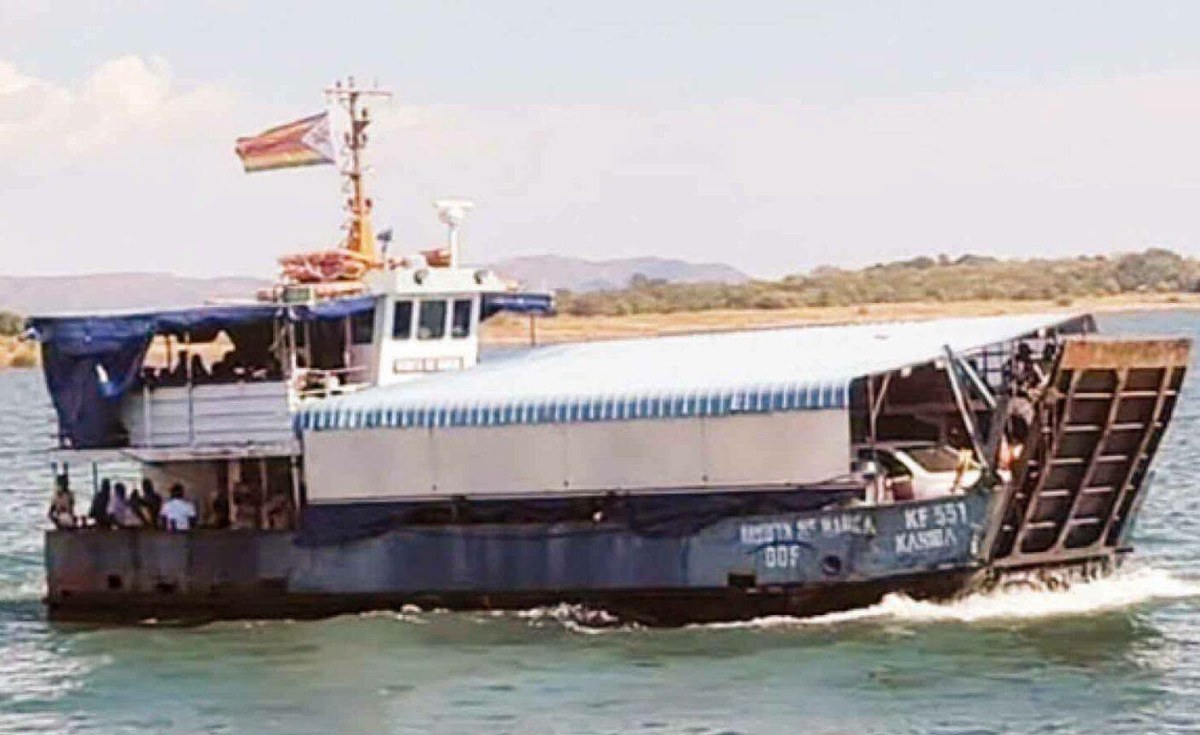
One, who worked as a supervisor for the Rural Infrastructure Development Agency (RIDA) in its roads department, residing in Siakobvu was among those who died when the agency-owned Mbuya Nehanda capsized on Lake Kariba on August 11.
He had travelled from Kariba town after attending to work-related matters and was returning to Siakobvu with more than 100 other passengers, including children, when disaster struck.
The tragedy has become one of the worst accidents in Zimbabwe’s recent history.
The death toll now stands at 84, while 77 people were rescued. The government has declared the disaster a national tragedy and pledged support to survivors and affected families, including psychological assistance.
“This is a national tragedy and will be treated accordingly,” Local Government Minister Daniel Garwe said.
A boat that became a death trap
The Mbuya Nehanda was a familiar lifeline for communities around Lake Kariba, carrying villagers, traders and workers between Kariba town and rural communities across the lake.
But on the day of the tragedy, questions arose over the number of people and the amount of cargo on board.
RIDA security official Timothy Chambati said his count showed that 153 people were on the vessel, including adults, children and the five-member crew.
“When we leave the harbour, we count the people and give the number to the captain. I counted 153 people, including children and the crew,” Chambati said.
Only two crew members survived.
The boat’s confirmed carrying capacity was 90 passengers, excluding the crew, making the reported number on board significantly higher than its intended capacity.
Survivors also described a vessel carrying drums of fuel, bags, groceries and luggage belonging to business operators.
“The boat was overloaded on this day. Besides too many passengers, it was carrying drums of fuel, bags, groceries and other luggage belonging to business operators. Even if we wanted to use life jackets, some were buried under the luggage,” said one survivor who asked not to be named.
For those who survived, the memories remain painfully vivid.
“There were too many waves, but we thought they would subside. Instead, they became worse. We tried to proceed, but it was difficult. Water got inside the boat before one engine failed. Later, both engines died and the boat started sinking,”Chambati said.
He still struggles to understand how he survived when so many others did not.
“To date, I find it difficult to explain how we escaped when so many of our people could not make it,” he said.
Some survivors said passengers struggled to use their life jackets as the boat went down, raising questions about the preparedness of those on board and whether enough was done to assist passengers in an emergency.
A goodbye that never came
For Two, the greatest pain is knowing that his twin was aware that death was approaching, yet there was nothing either of them could do.
Their nephew, Takemore Malunga, said One’s final actions have left the family haunted.
After Two called him to tell him that his twin was in trouble, Malunga tried calling One.
His phone was already unreachable.
Then he checked WhatsApp.
“He had posted photos of himself with his twin brother, from when they were toddlers to their most recent pictures. He also posted photos of our late grandfather and great-grandfather. Perhaps, in his mind, he was saying, ‘I am on my way to you,”‘ Malunga said.
One was among the bodies recovered on August 13, the same day a mass memorial service was held for some of the victims initially recovered from the lake.
His body was already decomposing, forcing the family to hurry with the burial arrangements.
Relatives who had travelled from their rural home in Rengwe, Mashonaland West spent much of the day completing paperwork before taking a brief break to look out over the lake that had swallowed their loved one.
They took photographs with the dam wall in the background, a painful attempt to mark one of the darkest days their family has ever experienced.
For Two, tradition has made the loss even harder.
According to their family tradition, a twin is not permitted to view the body of his deceased twin.
“If I had known that death would visit my twin so soon, I would have made the most of our last days together. It pains me that I never got to say goodbye properly. The thought of how much he suffered while drowning in that boat will follow me forever,” Two said.
A final embrace
One was not the only RIDA employee to die.
Another employee, Spiwe Katore, an accountant was, according to eyewitnesses found in her office with her bag and cashbox still clutched in her arms.
The scene suggested that she may have remained there as the disaster unfolded, with little chance of escape.
For families, the images of their loved ones’ final moments are almost impossible to process.
The accident was not simply a sinking boat. It was a terrifying struggle for survival in which passengers watched fellow travellers disappear beneath the water while fighting to stay alive themselves.
Among those who survived is Itai Marumisa, who lost her younger sister, Louisa, and Louisa’s daughter.
She is still waiting for her sister’s body to be recovered.
“I pray that her body will be recovered so that we can at least give her a proper burial,” she said.
Norah Chadenga, a Harare resident who survived, said she had never learnt how to swim.
She still cannot understand how she managed to escape when others around her did not.
Survivors carrying the weight of the dead
The survivors are now left with memories that may never leave them.
Many lost relatives, friends and fellow villagers from fishing communities around Kariba.
At the mass memorial service, grief overwhelmed many of them. Some broke down uncontrollably, making it difficult even to ask questions as they struggled to comprehend the scale of the loss.
The tragedy has also left survivors and families demanding answers over how a vessel meant to carry far fewer people could have ended up carrying such a large number of passengers and cargo.
The questions will have to be answered.
For now, however, the lake continues to hold the dead.
Search and recovery efforts are continuing as authorities hope to retrieve more bodies and bring some measure of closure to families still waiting.
For the Mereki family, the tragedy is not measured only by the death toll.
It is measured by one unanswered phone call, one final conversation between twin brothers, photographs posted in the face of death, and a goodbye that never came.
Credit: Source link