

Iraq seeks Saudi, Syria ties amid Iran-backed militia crisis
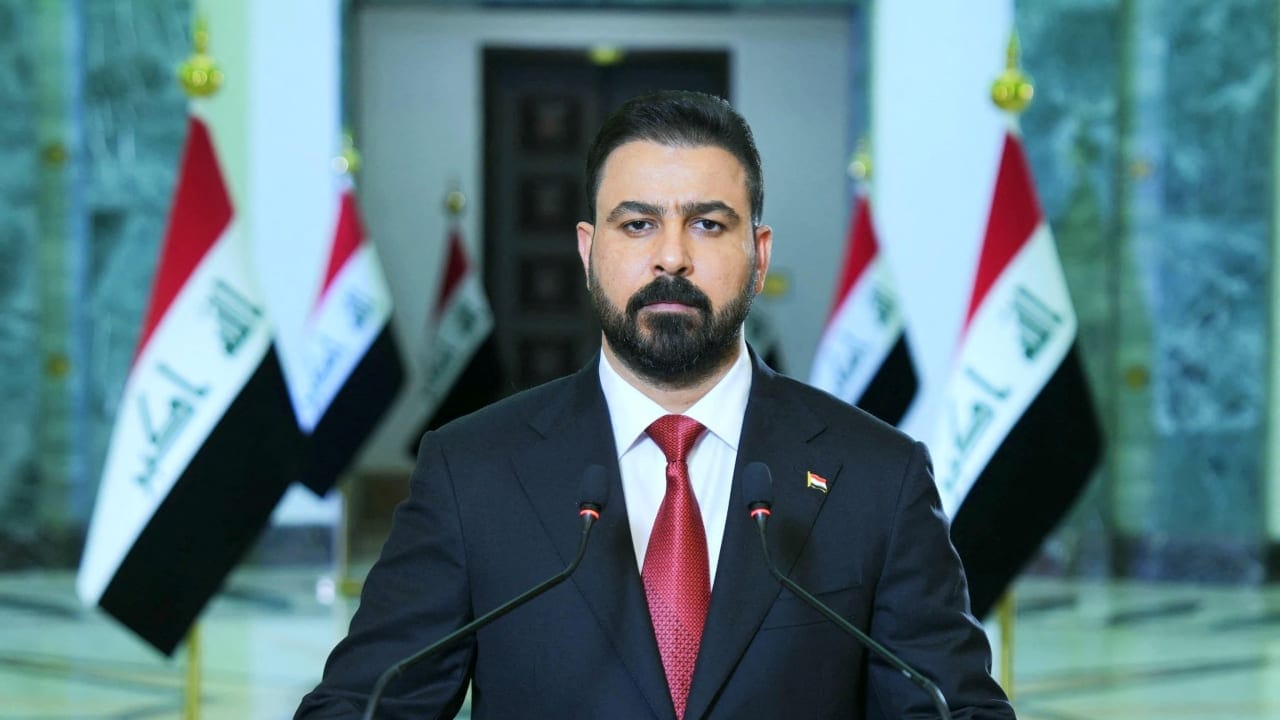
Iraq is trying to reach out to Syria and Saudi Arabia as it seeks to find a way out of a local crisis over Iranian-backed militias. Reports indicate that the powerful Iranian-backed Badr Organization in Iraq is now trying to prevent the militias being reined in. Iraq is pushing a new law to put militia arms under state control by the end of September.
This matters because Iraq is bordered by countries that are now entering into a new alliance. Saudi Arabia, Turkey and Pakistan are increasing their joint work together as part of an alliance. Iraq is in the middle.
Recently, Iranian-backed militias in Iraq carried out attacks on Saudi Arabia. The US and Saudi Arabia responded. The militias threatened new attacks. Iraq has sought to resolve the crisis. Baghdad is now doing outreach to Syria and Saudi Arabia among other countries.
For instance, Rudaw media in Iraq’s Kurdistan Region noted that “the president of Iraq’s Supreme Judicial Council (SJC) met with Syria’s interim President Ahmed al-Sharaa in Damascus on Thursday to discuss strengthening legal and judicial cooperation between the two countries, following earlier talks between delegations from both sides over the dossier of Islamic State (ISIS) detainees.”
“During the meeting, they discussed ways to enhance Iraqi-Syrian cooperation in the judicial and legal fields, in a manner that contributes to developing cooperation mechanisms between the judicial institutions of the two countries,” Iraq’s Supreme Judicial Council (SJC) said.
Ali al-Zaidi needs to balance Iran-backed militias with US input
Rudaw added that “the meeting between Sharaa and SJC President Faiq Zaidan followed talks between delegations from the two countries over the file of ISIS detainees transferred to Iraq from detention centers in northeast Syria (Rojava) earlier this year.”
“During the meeting, they discussed ways to enhance cooperation between the two brotherly countries in the judicial and legal fields, in addition to discussing several issues of mutual interest,” the Syrian presidency posted on X/Twitter.
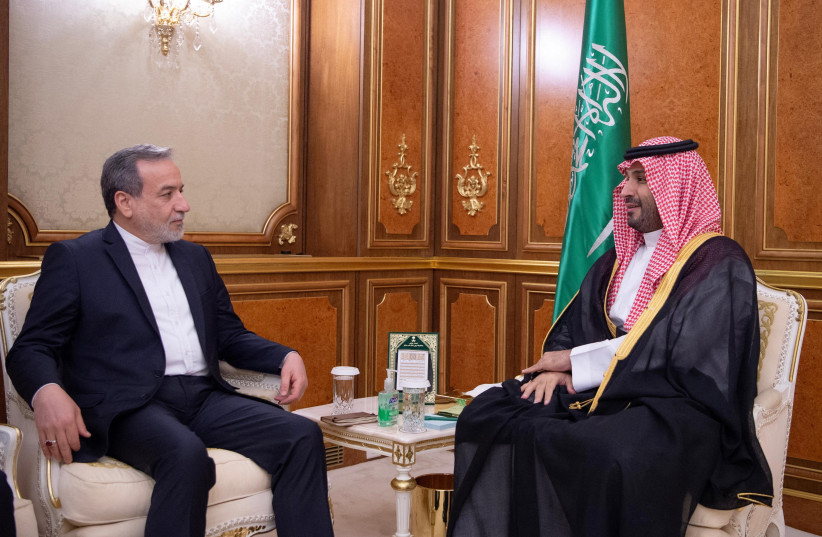
Meanwhile a high-level Iraqi security delegation arrived in Saudi Arabia on Thursday. Rudaw noted that this happened as the Iraqis are seeking key talks. Iraqi state media reported that the Iraqi delegation is led by Abdul-Amir al-Shammari, director of the office of Iraq’s commander-in-chief of the armed forces.
Iraq’s Prime Minister Ali al-Zaidi is also the commander in chief of the armed forces. He wants to rein in the militias. However, he is between Iran and a hard place. The IRGC Quds Force head Esmail Qaani was in Iraq this week to try to pressure Baghdad not to disarm the militias.
Iraq’s militias have threatened US forces and Israel in the past. They have kidnapped journalists and carried out hundreds of attacks on the Kurdistan Region of northern Iraq.
Rudaw says that the Saudi Arabia “visit comes against the backdrop of drone attacks on Saudi oil facilities that Riyadh said originated from Iraq, a claim Baghdad has denied.”
“The high-level Iraqi security delegation arrived today [Thursday] in the Kingdom of Saudi Arabia to discuss a number of security files and shared issues,” state-run Iraqi News Agency (INA) reported.
Rudaw noted that “the Iraqi delegation includes Deputy Intelligence Agency Chief Falah Shaghati, Air Defense Commander Muhannad al-Asadi, and Counter-Terrorism Service Chief Zaid Hoshi, Saudi-funded Al Arabiya channel reported.”
Rudaw added that “the Saudi defense ministry, meanwhile, framed the targeting as part of its response to the ‘reprehensible drone attacks carried out against the Kingdom by Iran-backed militias in Iraq,’ emphasizing ‘the Kingdom’s determination to deter the perpetrators and its right to respond.’”
Islamist group claimed attacks on US interests
What may come next? Iraq wants decent ties with Riyadh. It knows that as Saudi Arabia and Turkey work together that tolerance for the militias will decrease. An attack on Saudi Arabia will no longer be met with appeasement. Iraq’s prime minister has also been backed by the Trump administration. As such he wants to find a way out of the proverbial “hard place” that Baghdad now finds itself.
Iraq’s work with its own autonomous Kurdistan Region is also important. The region is a key partner of the US. It also has good ties with Damascus and Turkey. As such, Iraq is seeking to increase ties with Erbil, the capital of the Kurdistan Region.
“Provocations from armed groups pose significant threats to Iraq’s regional and international standing, Kurdistan Region President Nechirvan Barzani said in an interview aired on Wednesday, stressing support to the Iraqi government’s campaign to disarm the groups amid the scheduled withdrawal of US forces,” Rudaw noted.
“By God, if Iraq does not solve the issue of the factions, it will face international and regional isolation,” the KRG’s President Barzani said in an interview Iraq’s al-Sharqiya TV.
“The Islamic Resistance in Iraq (IRI) – which comprises several armed factions aligned with Iran – overlaps with the state-sponsored Popular Mobilization Forces (PMF). IRI has sided with Iran in its six week-long war against the US and Israel from February 28 to mid-April.
Throughout the war, the umbrella group claimed more than 750 attacks on US forces within Iraq and against regional countries, applying considerable pressure on Iraq’s proclaimed neutrality in the war,” Rudaw added. This provides context of how the Kurdistan Region is now key to encouraging Baghdad to pressure the militias and rein them in.
Along with Riyadh, the US and others, Baghdad is facing pressure to do more than offer words regarding the militias. Action is needed. Baghdad has only a few months to show that it will act.