

US slaps 25% tariffs on Brazilian goods after probe on unfair trade practices
RIO DE JANEIRO (CN) — The Trump administration Wednesday night imposed a 25% tariff on Brazilian imports following a yearlong investigation into policies ranging from the country’s Pix instant payment system and court orders involving digital platforms, ethanol and illegal deforestation.
Section 301 of the Trade Act of 1974 allows the U.S. trade representative to impose tariffs or other restrictions after determining a foreign government’s policies are unreasonable or discriminatory and burden U.S. commerce. The office of the trade representative reached that determination June 1 and finalized its response Wednesday.
The tariff takes effect July 22 and applies to all Brazilian goods outside a list of more than 2,100 exempted tariff classifications. The exemptions cover major exports including beef, coffee, oranges, orange juice and civil aircraft and parts.
The final list also added exemptions for pig iron, unflavored instant coffee, organic honey, aluminum hydroxide, iron and steel scrap, certain seafood products, hides, leather, wood products, pharmaceuticals, antiques, art and used clothing.
The Office of the U.S. Trade Representative said the exemptions include goods that cannot be produced in sufficient quantities or at reasonable prices in the United States, as well as raw materials whose inclusion could disrupt supplies and raise costs across the U.S. economy.
The agency rejected exemption requests involving agricultural and industrial machinery, apparel, footwear, electrical equipment, paper, organic sugar and other manufactured goods. It also removed high-purity dissolving pulp from the preliminary exemption list and limited exemptions covering some chemicals to pharmaceutical uses.
The 25% surcharge will generally be added to ordinary U.S. import duties and other additional tariffs. Products already subject to some sectoral tariffs, including certain steel, aluminum and copper products, vehicles, certain wood products and semiconductors, are exempt from the new Section 301 duty.
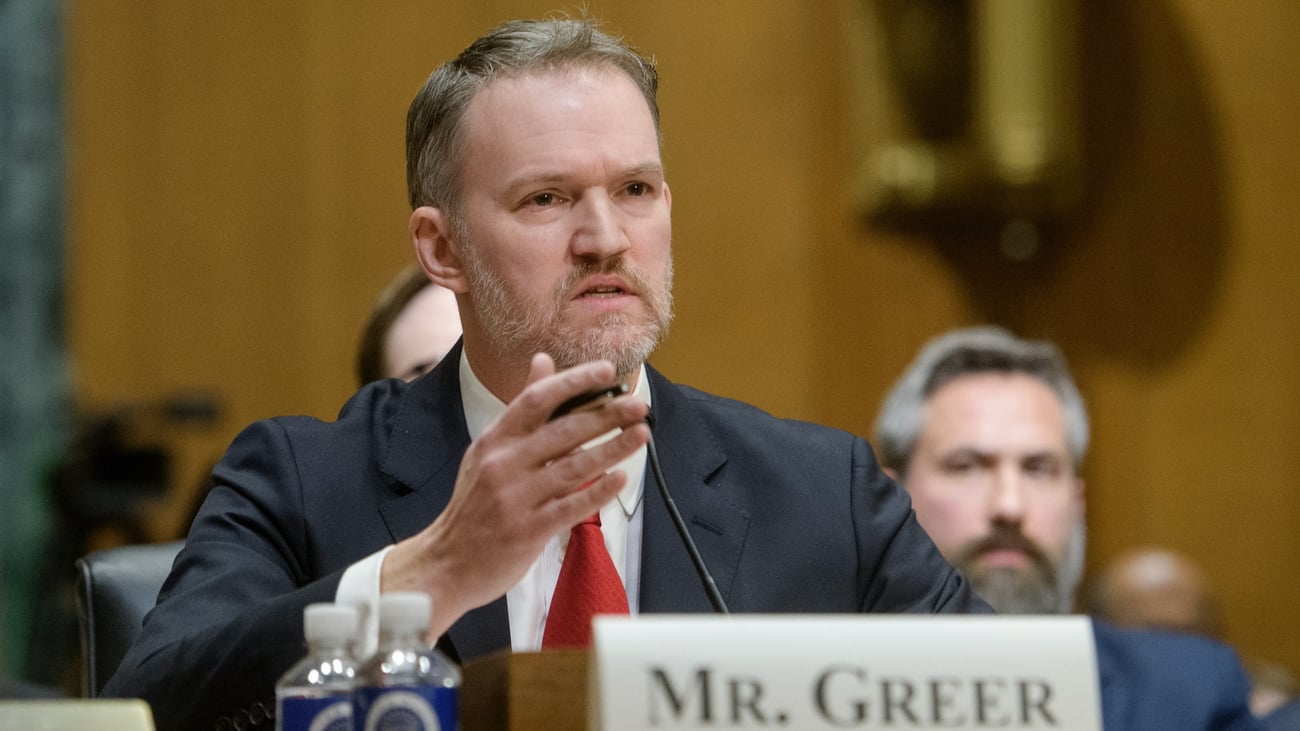
U.S. Trade Representative Jamieson Greer said in a statement the action was necessary because a year of negotiations had failed to resolve U.S. concerns. He accused Brazil of penalizing American technology companies, weakening anticorruption enforcement and allowing farmers to benefit from illegally cleared land.
Greer said the United States remains open to negotiations if Brazil changes the policies identified in the investigation.
Brazil’s government said early Thursday it would immediately begin the process of invoking the country’sEconomic Reciprocity Law. It also said it would continue to diversify its commercial partnerships and seek new markets for Brazilian products.
The Economic Reciprocity Law allows Brazil to raise tariffs, suspend trade concessions and adopt other countermeasures against countries that impose unilateral restrictions on Brazilian interests. The government has not yet detailed what measures it intends to pursue.
“The date of July 15, 2026, will go down in the history of Brazil-U.S. relations as a regrettable milestone,” the government said in a statement. “There is no justification for unilateral measures against the country.”
Citing U.S. government data, Brazil said the United States accumulated a $424.5 billion surplus in goods and services trade with the country over the past 15 years. It said 76% of imports from the United States entered Brazil duty-free in 2025, while the average tariff effectively applied to U.S. goods was 3.1%.
The officials also rejected the legitimacy of investigations conducted outside multilateral trade rules and called the accusations involving Pix, digital platform regulation and deforestation unfounded. It described Pix as a public digital infrastructure.
Brazil could also bring a new challenge at the World Trade Organization. In August 2025, the country filed a complaint against the 50% tariffs Trump had imposed on a wide range of Brazilian goods that year.
The tariff decision concludes a process launched July 15, 2025, when President Donald Trump directed the trade representative to investigate Brazilian policies the administration considered harmful to U.S. commerce.
The U.S. Supreme Court in February ruled against many of Trump’s tariffs imposed under a different law, the International Emergency Economic Powers Act of 1977. Justices found the president overstepped his authority under that act to impose sweeping tariffs on U.S. trading partners, including Brazil.
Trump had imposed a 50% tariff on Brazil to protest its prosecution of Jair Bolsonaro for trying to overturn his loss in a 2022 election, before the high court’s action.
The Section 301 probe covered digital trade and electronic payments, preferential tariffs, anticorruption enforcement, intellectual property, ethanol market access and illegal deforestation.
The trade representative criticized Brazilian court orders requiring U.S. platforms to remove political content and suspend accounts and said Brazil favored its national payment system over private competitors. It also cited preferential tariffs for Mexican and Indian goods, weak intellectual property enforcement and limited access for U.S. ethanol.
After proposing the 25% tariff June 1, the U.S. trade representative received more than 360 written comments.
During public hearings July 6-7, 63 of 78 statements from Brazilian and U.S. private sector representatives opposed the proposed tariff, the Brazilian government said.
Businesses and trade groups from both countries acknowledged commercial disagreements with Brazil but questioned the use of broad tariffs.
Anne McKinney, vice president for the Americas at the U.S. Chamber of Commerce, told the panel Brazil maintains tariff and nontariff barriers but argued the disputes should be addressed through bilateral negotiations rather than a 25% tariff.
McKinney warned that broad tariffs could raise input costs, weaken the competitiveness of U.S. manufacturers and harm American jobs and supply chains.
Roberto Azevêdo, a former director-general of the World Trade Organization and president of the Foreign Trade Council at the Federation of Industries of the State of São Paulo, testified the following day that tariffs generally do not encourage dialogue.
He called for private sector representatives from both countries to participate in the negotiations and said discussions between the governments did not appear to be moving forward.
Jean Paolo Simei e Silva, a tax attorney and partner at Fonseca Brasil Serrão Advogados, said Section 301 allows the U.S. to investigate foreign government policies and impose tariffs, quotas or other restrictions without first obtaining authorization from an international organization.
“It is an instrument of U.S. domestic law with no equivalent in international trade law,” Silva said.
Silva said authorization under U.S. law does not prevent Brazil from challenging the measure at the WTO. Brazil could argue that the tariff discriminates against its products or exceeds the tariff limits the United States has committed to under the multilateral trading system.
André Luiz de Carvalho Matheus, an attorney and vice president of the Lawfare Commission at the Brazilian Lawyers Institute, described the use of Section 301 as a form of legal warfare.
“Instead of limiting the exercise of force, the law becomes the vehicle of force: The forum is unilateral, the criteria are set in Washington and the target is Brazil’s domestic policy,” Matheus said.
Matheus said treating Pix, environmental and digital regulation and anticorruption rules as unfair trade practices puts Brazil’s regulatory sovereignty at stake, not just its exports.
Matheus also called on Brazil to diversify its export markets and strengthen supply chains that are less dependent on the United States.
Brazil is separately facing another U.S. trade investigation involving goods produced with forced labor. In that case, the U.S. has proposed an additional 12.5% tariff on goods from Brazil and dozens of other economies.
If that tariff is finalized and allowed to accumulate with Wednesday’s action, the two additional duties could reach 37.5% on some Brazilian goods.
Courthouse News reporter Marília Marasciulo is based in Brazil.
Subscribe to our free newsletters
Our weekly newsletter Closing Arguments offers the latest about ongoing
trials, major litigation and rulings in courthouses around the U.S. and the world,
while the monthly Under the Lights dishes the legal dirt from Hollywood,
sports, Big Tech and the arts.