

Morocco: Journalist Ali Lmrabet released after arrest over alleged “dissemination of false info…
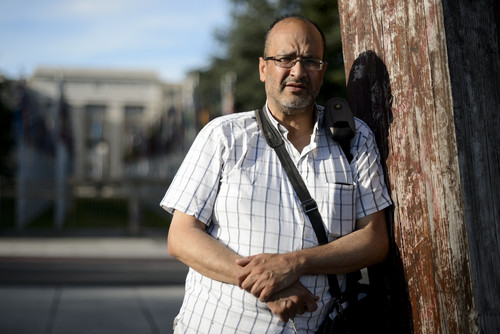
[UPDATE 15.07.2026] Ali Lmrabet, a journalist with French and Moroccan nationality who resides in Barcelona, Spain, was arrested upon his arrival at Tangier Airport on 12 July and released on 15 July. He is a vocal critic of the Moroccan government. The International Federation of Journalists (IFJ) welcomes his release and is demanding that all charges against him be dropped.
On 14 July, the office of Morocco’s public prosecutor confirmed that the journalist had been arrested “on the basis of several arrest warrants previously issued against him (…) in connection with the publication” of a “series of digital posts containing defamatory and abusive remarks against individuals and institutions, and contemptuous of bodies governed by law”.
He was transferred to the headquarters of the National Judicial Police Brigade in Casablanca, before being placed in police custody as part of an investigation into the alleged “dissemination of false information”.
In 2003, Lmrabet was jailed and his weekly publications, Demain Magazine and the Arabic-language Doumane, were banned after he was convicted on charges that included offending the King of Morocco. He was sentenced to three years in prison, but was released in early 2004 under a royal pardon.
In 2005, a court banned him from practising journalism in Morocco for 10 years, after he was convicted of defamation for his commentary on the Sahrawi population living in the Tindouf refugee camps in southwestern Algeria.
IFJ General Secretary, Anthony Bellanger, said: “We strongly condemn the arrest of journalist Ali Lmrabet and demand his immediate and unconditional release. We urge the Moroccan authorities to uphold Lmrabet‘s rights. We also reiterate that Morocco should reform its outdated laws that criminalise press offences. Ali Lmrabet must be set free.”
UPDATE 15.07.2026 On 15 July, Ali Lmrabet was released following an appearance before a prosecutor in Casablanca. The prosecutor’s office has confirmed that its investigation into allegations of defamation and libel is ongoing.
Credit: Source link