

Rising seas, garbage and heat threaten Brazil’s migratory shorebirds
- Among the many effects linked to climate change and damages to estuarine ecosystems, research indicates that migratory birds that depend on coastal wetlands could lose half of their habitats by 2050
- The impact is significant for Brazilian shorebirds: besides depending on a continuous chain of healthy wetlands to complete their long journeys between hemispheres, they suffer from the degradation of feeding areas such as mangroves.
- One the most threatened species is the red knot (Calidris canutus): low food availability could impair the bird’s preparation for the 8,000-kilometer (5,000-mile) journey it makes from Brazil’s northeast coast to the U.S. coast.
- Researchers are conducting censuses and conservation projects in areas of high shorebird biodiversity, including the Potiguar Basin in Brazil’s Rio Grande do Norte state, considered a “regionally important site” for these migratory birds.
POTIGUAR BASIN, Brazil — On the estuary beaches where the Atlantic Ocean mixes with freshwater rising from mangrove soils, the shorebird known as the red knot has a single goal: to feed. While one member of the flock keeps watch, the others use their specialized, tireless beaks to capture clams, oysters, snails and earthworms that inhabit the muddy soils.
Soon the time to migrate will come, and the birds must double their weight to endure the long trip.
Each May, after spending the previous eight months in the coastal wetlands of Brazil’s shoreline and in Argentina’s Tierra del Fuego, at the far south of South America, red knots (Calidris canutus) begin a long return flight to the Northern Hemisphere. Their final destination is the cold, desert-like Arctic tundra. It’s there, during the northern summer, between June and August, that they breed.
Even before the journey starts, on the beaches of Macau, Guamaré and Galinhos — coastal municipalities dotted throughout Brazil’s Potiguar Basin — observers can see a sign of their preparation: the birds’ chests display a reddish color typical of nuptial plumage.
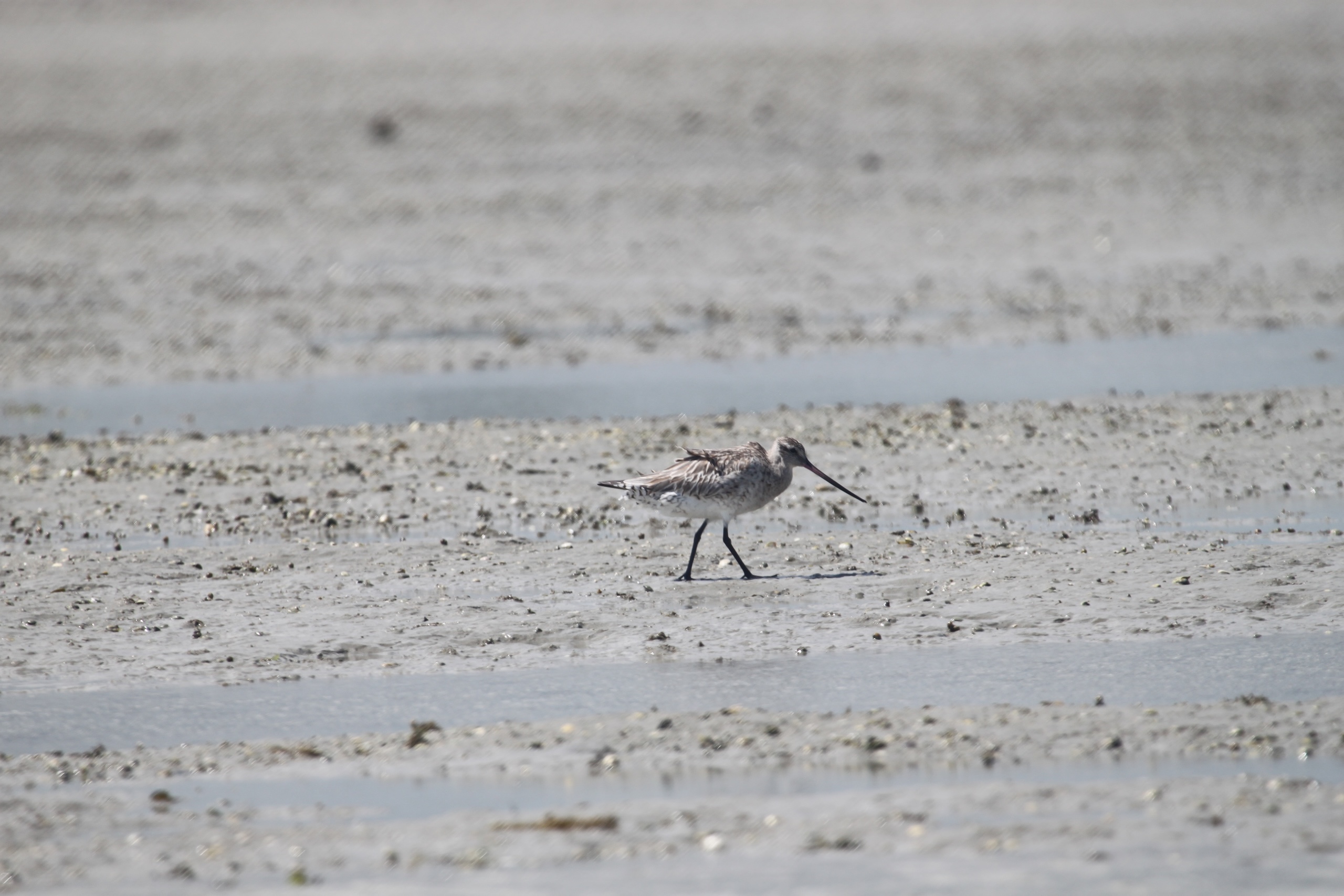
Among migratory birds, the red knot is one of the longest-distance travelers. It flies for about six days and six nights without sleeping, eating or drinking. After leaving Brazil, it will cover roughly 8,000 kilometers (5,000 miles) to its next stop: Delaware Bay, on the northeastern coast of the U.S. From there, the journey continues toward the Arctic; over a year, the round trip may cover 30,000 km (nearly 19,000 mi). The most notable record-holder among shorebirds, however, is the bar-tailed godwit (Limosa lapponica): this small Brazilian coastal migrant appears in the Guinness Book of Records for flying up to 11 days nonstop.
According to the Society for the Conservation of Birds in Brazil (SAVE Brasil), the country is home to 54 known shorebird species. The Portuguese name for them, limícola, comes from the Latin limus (“mud”) and colere (“to inhabit” or “to live in”), and describes animals that live on beaches, estuaries, mangroves, and shallow lagoons. Their diet consists of small invertebrates from muddy environments. Some of the birds listed are resident species, such as the southern lapwing (Vanellus chilensis), while others migrate from even farther south, such as the two-collared plover (Charadrius falklandicus). Another 34 species arrive from the Northern Hemisphere and depend on a continuous chain of healthy wetlands to complete their journeys.
In 2024, the Potiguar Basin, in the state of Rio Grande do Norte, was recognized as a “site of regional importance” by the Western Hemisphere Shorebird Reserve Network (WHSRN), marking it out as an essential area for wildlife.
“Covering more than 8,500 hectares” — or about 5,300 acres — “this Brazilian coastal region was recognized for its vital role in supporting the conservation of migratory birds,” says the WHSRN website, highlighting the need to protect C. canutus.
Globally, the red knot is considered near threatened, but in Brazil it’s listed as a vulnerable species. A key threat is the reduced availability of its food in Delaware Bay. In Brazil, recent years have seen risks linked to habitat quality decline due to human activity on the beaches. The impacts of climate change on the continuity of this and other species are also on the rise: shorebirds that depend on coastal wetlands could lose more than 50% of their habitats within 50 years, according to research by João Damasceno at the Federal University of Rio Grande do Norte (UFRN).
“Shorebirds are some sort of ‘environmental thermometers.’ They are bioindicators and show whether habitats are healthy or not,” says Damasceno, who heads the Flyways project conducted by SAVE Brasil with support from the Neoenergia Institute. The work focuses on the conservation of these birds in the Potiguar Basin.
“Because of the effects of global warming, some areas have suffered impacts,” Damasceno says. “And that impacts these birds, especially in their feeding areas.”
Mud as a laboratory
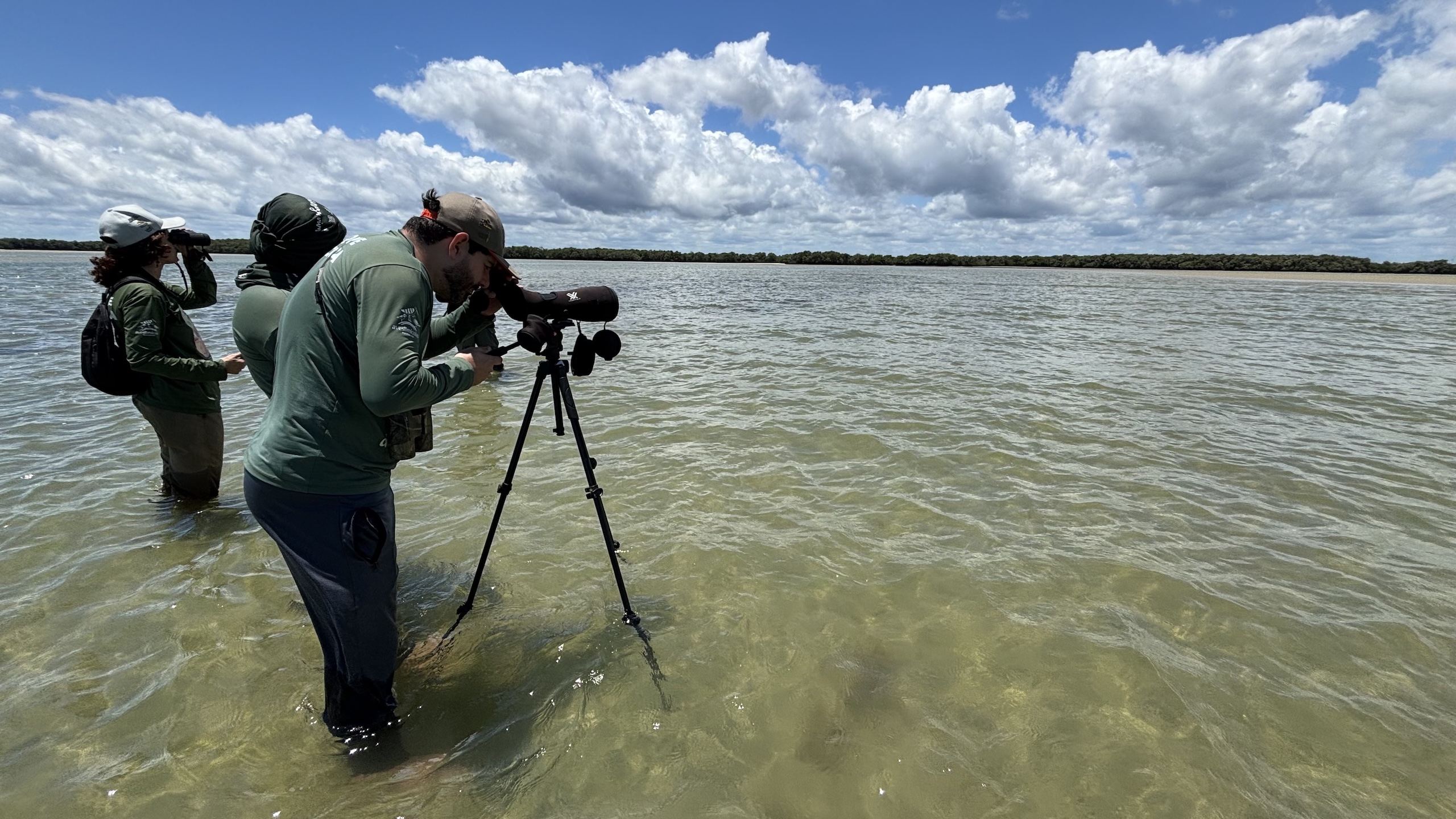
Moving through tidal channels — by motorized canoe, walking along the beach, or wading through shallows and mud — a small SAVE Brasil group surveys a study area. Censuses are conducted quarterly in segments measuring a kilometer (0.6 mi), totaling 20 km (12 mi) along the coastal strip between Macau, Guamaré and Galinhos. As they move, the team members record shorebirds spotted with the naked eye, binoculars or a spotting scope, always during low tide, when the mudflats are exposed and food is more accessible.
The boundaries of the area under monitoring combine ecological criteria with institutional coordination. The SAVE Brasil team engages with local salt producers and municipal governments to incorporate new zones into the 8,500-hectare Potiguar Basin, which could expand the census to as much as 15,000 hectares (37,000 acres), thus enlarging the research area.
The wildlife here also includes seahorses and sea turtles. During crossings, small fish may jump into the boat. The high level of biodiversity can be explained by the fact that besides the WHSRN recognition, the state’s coastal region also hosts an Important Ray and Shark Area (ISRA), a title granted to sites that are essential for the survival of marine species.
In March 2026, over three days of census work, experts recorded 3,508 shorebirds, including 774 red knots, about the same as the results of previous surveys. “Censuses are one of the main tools for identifying how species use habitats,” Damasceno says. “Now that we know when they arrive and when they leave, our goal is to understand where these species are so we can help public managers address anthropogenic activities without harming the birds that feed there.”
According to experts, major harmful human actions on the coastal ecosystem include kitesurfing and the use of motorized vehicles on the beaches.
One day during their work, a surprise interrupts the species count. “That bird is rarely seen around here,” Damasceno says upon spotting a bar-tailed godwit. The bird is known to fly nonstop from Alaska to Tasmania, a journey of more than 13,000 km (8,100 mi).
Shorebirds travel along routes that function as “air highways,” connecting hemispheres. The scientific term is “flyways,” after which the Potiguar Basin project is named. Three major migratory flyways have been identified in the Americas: Atlantic, Central, and Pacific. The main ones in Brazil are the Atlantic route, used by birds that migrate along the coastline to the Southern Cone (the wedge-shaped southern subregion of the continent), and the Central route, used by species that cross the continent overland, passing through the Amazon Rainforest and the Pantanal wetland before heading to southern Brazil.
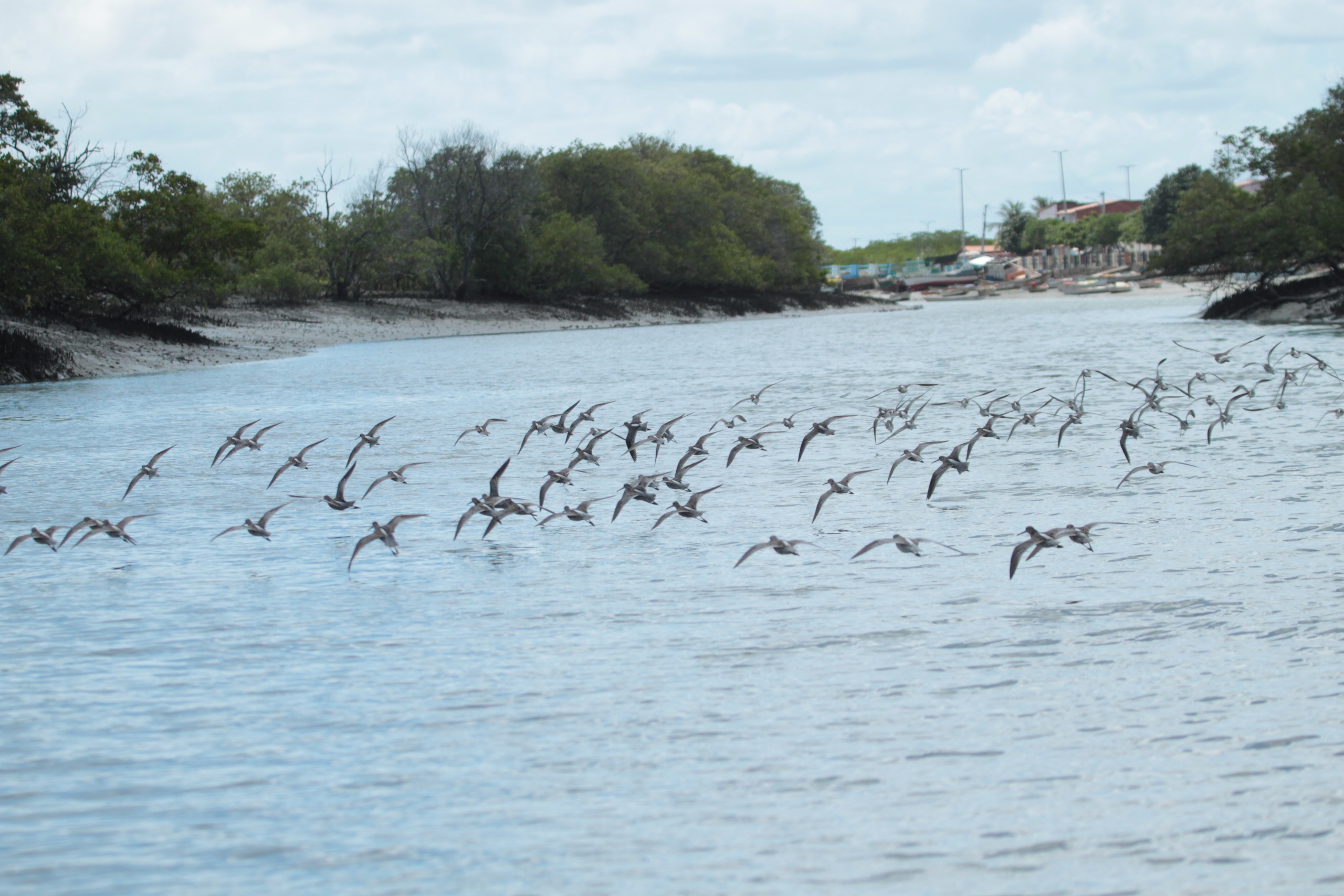
Protecting these border-crossing species that depend on connected habitats was one of the goals of the 15th Conference of the Parties to the Convention on Migratory Species (COP15), a meeting held in March 2026 in the Brazilian city of Campo Grande.
The meeting made some progress on shorebird conservation, with the Hudsonian whimbrel (Numenius hudsonicus) and the Hudsonian godwit (Limosa haemastica) included in Appendix I of the Convention, which lists threatened migratory species and requires signatory countries to take global protective actions.
Member nations also pledged to implement the Americas Flyways Initiative. The measure calls for protecting key areas along flyways, expanding monitoring of wild populations, integrating public policies across countries, and involving local communities in reducing threats to biodiversity.
COP15 also launched the Americas Flyways Atlas, a platform for mapping routes, critical habitats, and environmental threats to dozens of vulnerable species. The tool includes collaborative records from the eBird digital database, considered the world’s largest citizen-science project for bird biodiversity.
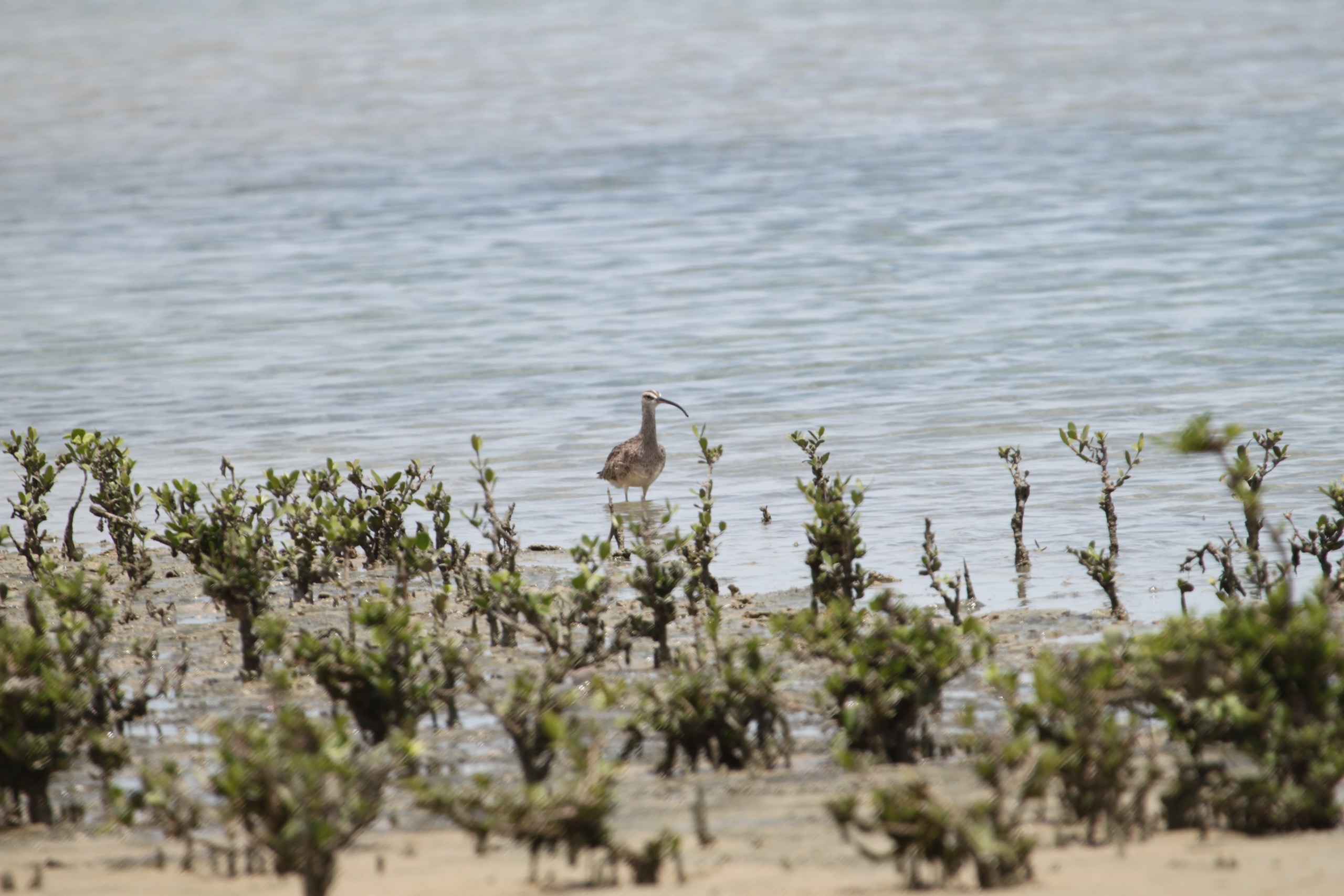
The sea advances — and problems emerge
But it’s not only shorebirds feeling the effects of climate change in the Potiguar Basin.
“Imagine if these mangroves disappear. Where would we get fish? This is a nursery, you know? All kinds of fish breed here,” says Luiz Luna Filho, who has been a fisherman since age 8. Now 83, the coastal resident says he already feels landscape changes and a decline in fish diversity. “Fish also have tails and heads, right? And they’ve got sense. They go away, they move from one spot to another,” he tells Mongabay.
A similar account comes from Francicleide Ferreira, a shellfish gatherer and community leader known as Bibinha. She also notes the changes: “There used to be a lot of mangroves; now we don’t see them as much.”
Antônia Amarantos Sousa, a fellow shellfish gatherer, describes the long boat trips needed for work and the difficulty finding the same mollusks that feed the migratory birds. “The sea is coming in and burying the shellfish. We spend more than an hour to get them because they’re far away.”
Coastal workers have also observed something new about the birds. “When I was little, we used to see many birds — knots, herons, curlews. It’s a lot less now,” says Vanuza Nascimento, who began collecting shellfish at age 7.
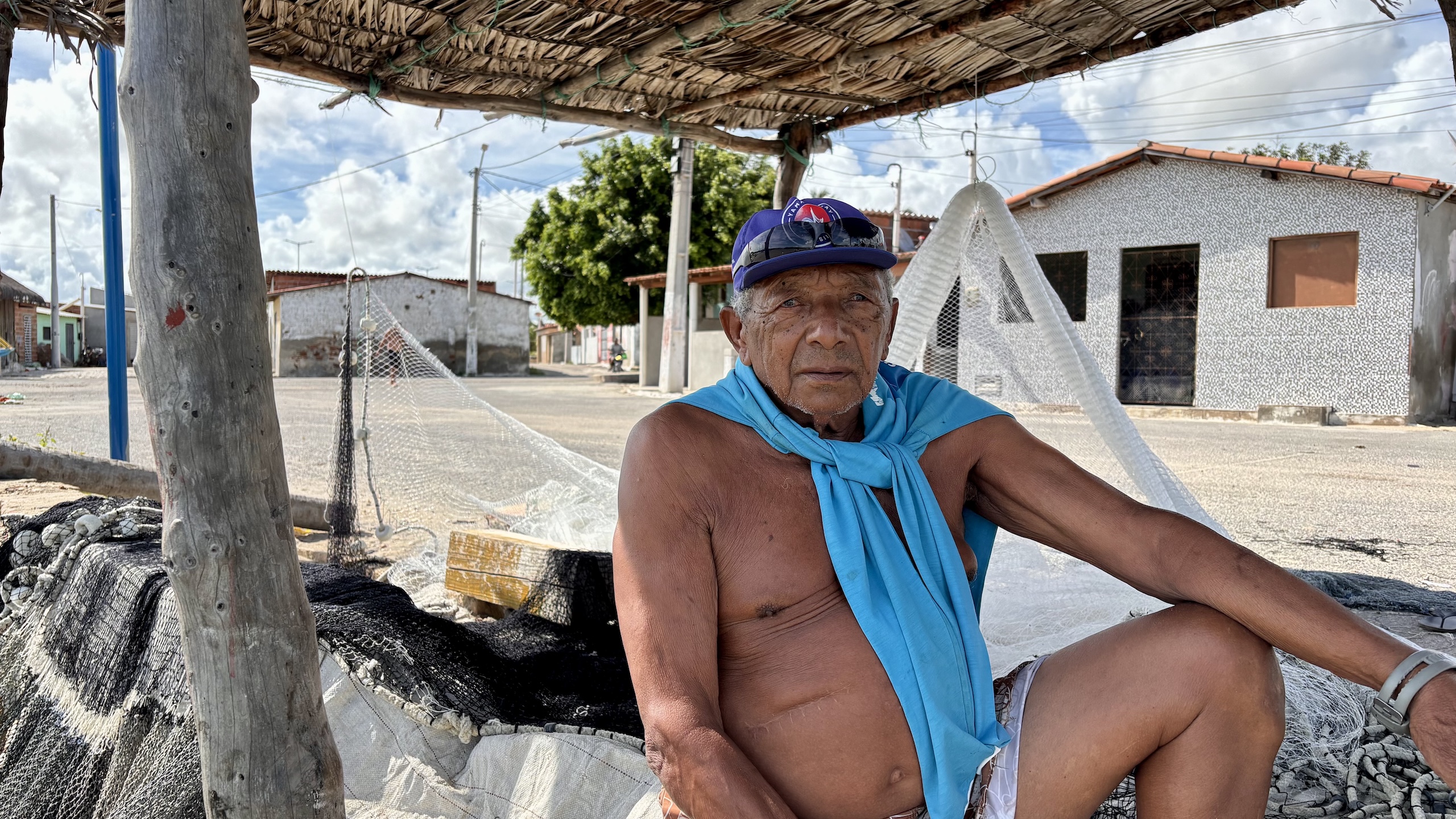
Based on local traditional knowledge, the Ancestral Cartography Workshops project carried out by researchers with women shellfish gatherers from Rio Grande do Norte seeks to rebuild the environmental memory of the Potiguar Basin and explain these changes.
The activity aims to identify mangrove areas that have been degraded over time, based on memories and perceptions of the women who have lived and worked in these ecosystems for generations. Their accounts indicate that, since the 1980s, extensive areas of mangrove forest have disappeared — a warning confirmed by recent research. Consequently, shellfish and other organisms that support the food chain have declined. During field visits, the SAVE Brasil team also found traces of paleomangroves — ancient mangrove ecosystems — and evidence of forests buried by advancing dunes and coastal erosion.
These findings confirm the community’s perceptions of loss.
Science shows that climate change impacts are reshaping Brazil’s northeastern coastal landscape in many ways, and rivers also play a part in this.
“Northeastern rivers are heavily dammed,” says Venerando Eustáquio Amaro, a professor of civil and environmental engineering at UFRN. “That has reduced the amount of sediment we have along the coast.”
Dams were built to address increasingly severe water scarcity by storing water during rainy periods and releasing it in a controlled way during droughts, helping guarantee water supply.
However, as a side effect, these structures retain sediment that would previously have washed out onto the coast, where they “feed” the beaches. Without this permanent replenishment, the shoreline has less sand to replace what the sea removes daily — a phenomenon that researchers are calling “hungry beaches.”
Consequently, without this natural sediment input, coastal erosion advances.
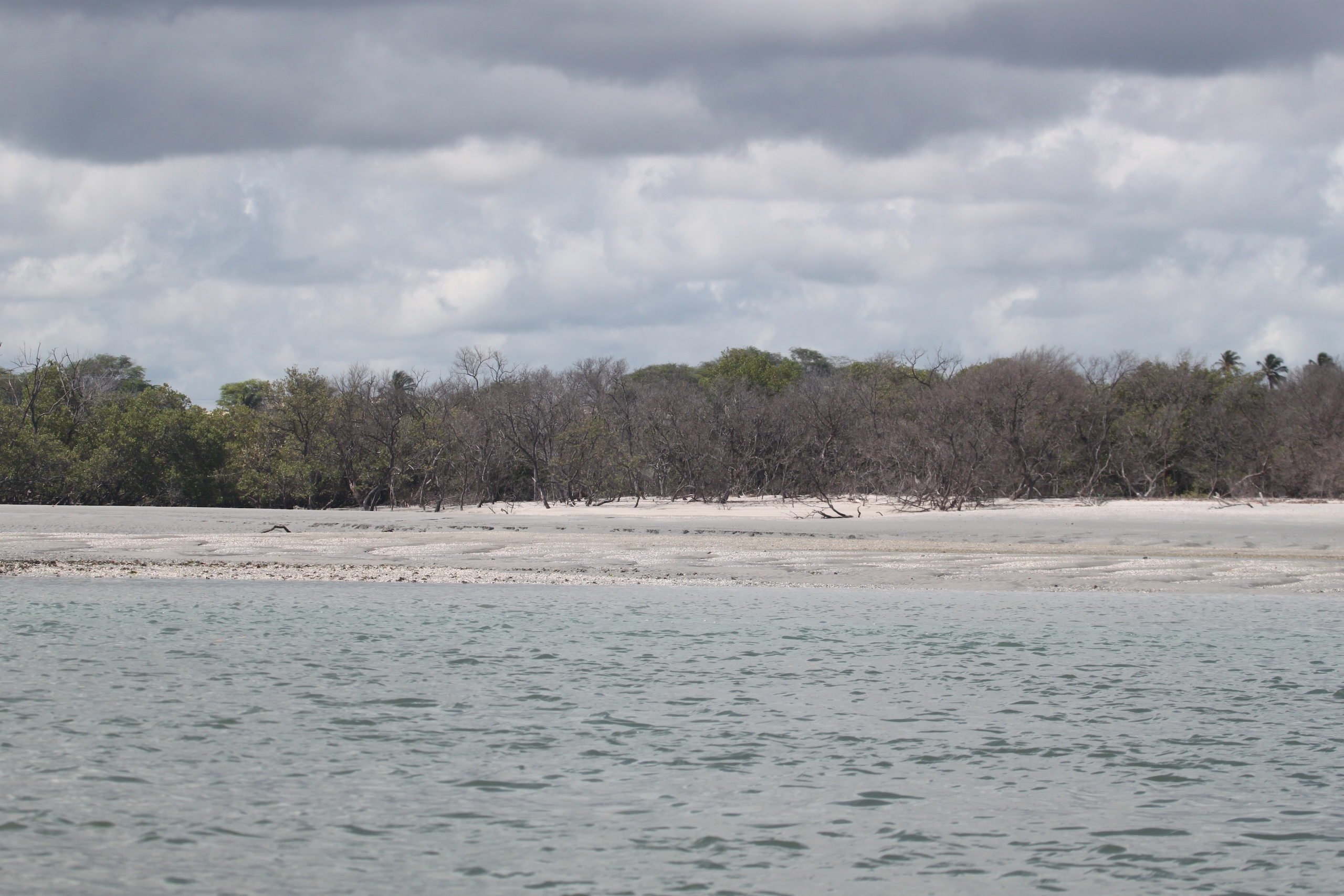
According to Amaro, technical measurements indicate an annual increase in wave power at some shoreline points. “In some parts, wave power — the ability of waves to erode the coast — is increasing more than 0.5% a year,” he says. He adds that warming seas and changing winds are also intensifying currents and storm surges, are speeding up cliff retreat and beach loss. These same areas are natural defenses for cities and feeding zones for shorebirds.
Moreover, sea level rise, as research shows, is already being felt in urban areas. In coastal towns built on cliffs or close to the waterline, high-tide invasions and extreme events are becoming more frequent, including in the municipality of Galinhos. As a result, the combination of erosion, intense rain and unplanned urban expansion has forced some communities to retreat.
The effects on shorebirds are both direct and indirect. Higher sea levels and stronger waves shrink low-tide sand strips, where the birds feed. This pattern has also been observed on the coast of the state of Amapá, at the mouth of the Amazon River. There, mudflats, mangroves and sandbanks have become narrower or disappeared. At the same time, global warming affects birds’ life cycles, right from reproduction: in the Canadian Arctic, for example, higher temperatures are reducing egg-hatching success rates.
Climate change also hits the base of the food chain: warmer water and soil reduce the abundance of microorganisms and invertebrates that the birds feed on, making it harder for them to gain the weight they need before their long migrations.
The environmental cost of green energy
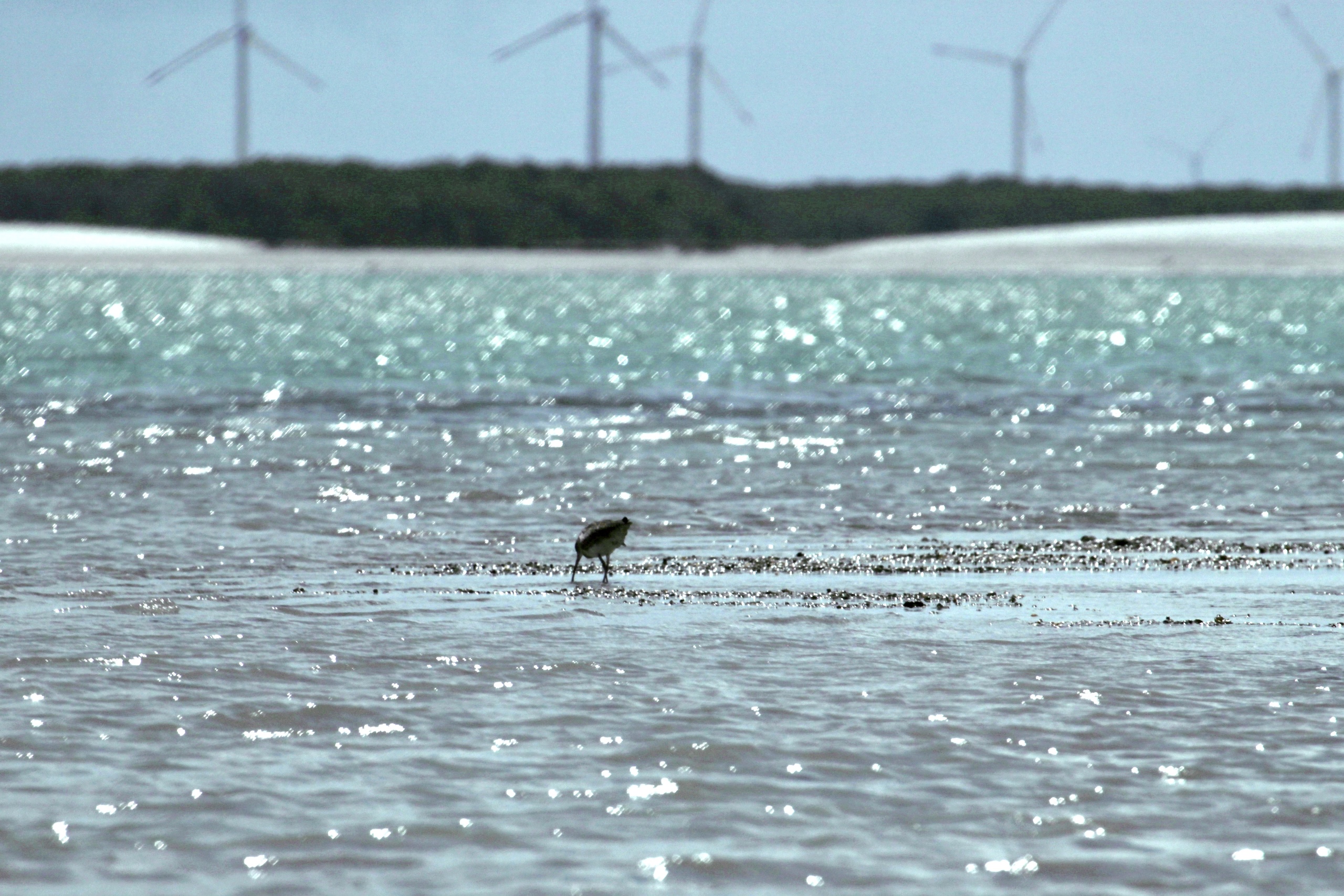
Besides climate change, the Potiguar Basin is also under pressure from large energy projects. Rio Grande do Norte’s coast experiences constant winds, which has made it Brazil’s largest wind-energy hub, with rapid expansion of wind farms and associated green hydrogen projects in the region. However, these initiatives often overlap onto sensitive coastal areas and territories that are home to fishing communities, as Mongabay previously reported.
According to Amaro, recent proposals already underway include ammonia-based production of hydrogen for export, with transshipment operations 15-20 km (9-12 mi) offshore. “When you do that transshipment, you have to do it under highly balanced conditions. Hydrogen is very unstable,” Amaro says, adding that rising sea temperatures and wave energy could increase the risks posed by such operations.
From an environmental management perspective, concerns also include licensing and impacts of projects that could put pressure on already fragile ecosystems. Carla Fernandes, from the Institute for Sustainable Development and Environment of Rio Grande do Norte (Idema), says the situation calls for caution. “Considering climate change and ocean warming, there is a contradiction: large-scale so-called renewable projects are justified as being ‘green,’ but they also threaten biodiversity,” she says.
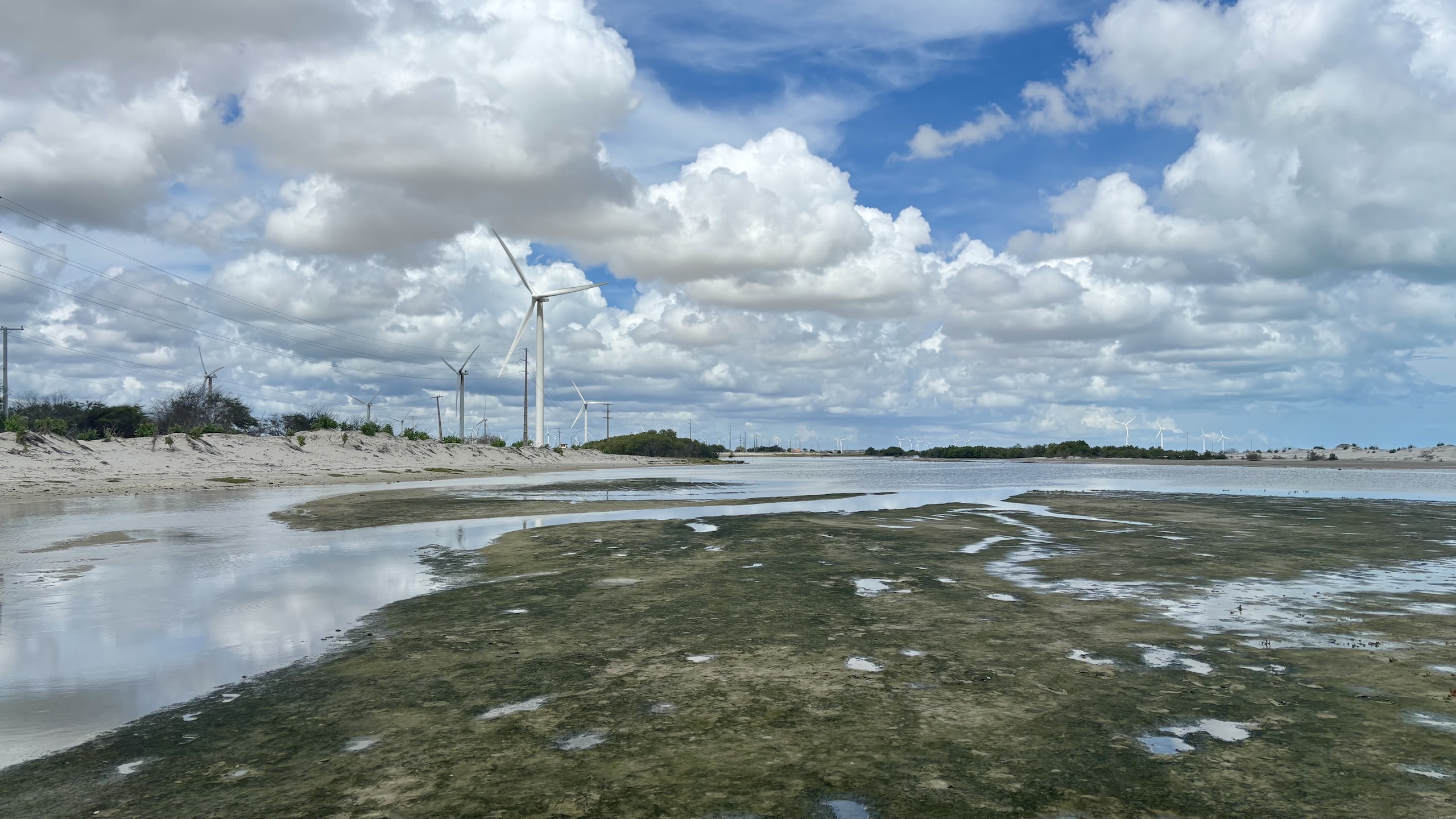
Damasceno also warns that “we are about to see wind projects in the ocean, for example, with transmission lines crossing areas used by birds as migratory routes.”
In some areas where wind turbines have already been installed, there have been reports of shorebirds killed after flying into cables, especially in areas located between their resting and feeding sites. Special markers installed on the cables have helped improve visibility and reduced these incidents, but new projects raise new doubts. Besides the risk of collisions, experts say further studies are needed about the effects of wind turbine noise on the birds.
Permanent surveillance
“Look, you just killed two turtles!” Damasceno says jokingly as the SAVE Brasil team scrambles to recover a plastic bag and bottle thrown into the water by the boat driver taking them to the census site.
“People who fish and use these materials should be more aware and not discard [garbage] in the water,” says Andrieli Queiros, a biology undergraduate student and SAVE Brasil volunteer.
“We did a mangrove cleanup, and there was a lot of accumulated material, you know?” adds Naiade Ferreira, another volunteer. “It’s like they don’t care about the environment.”
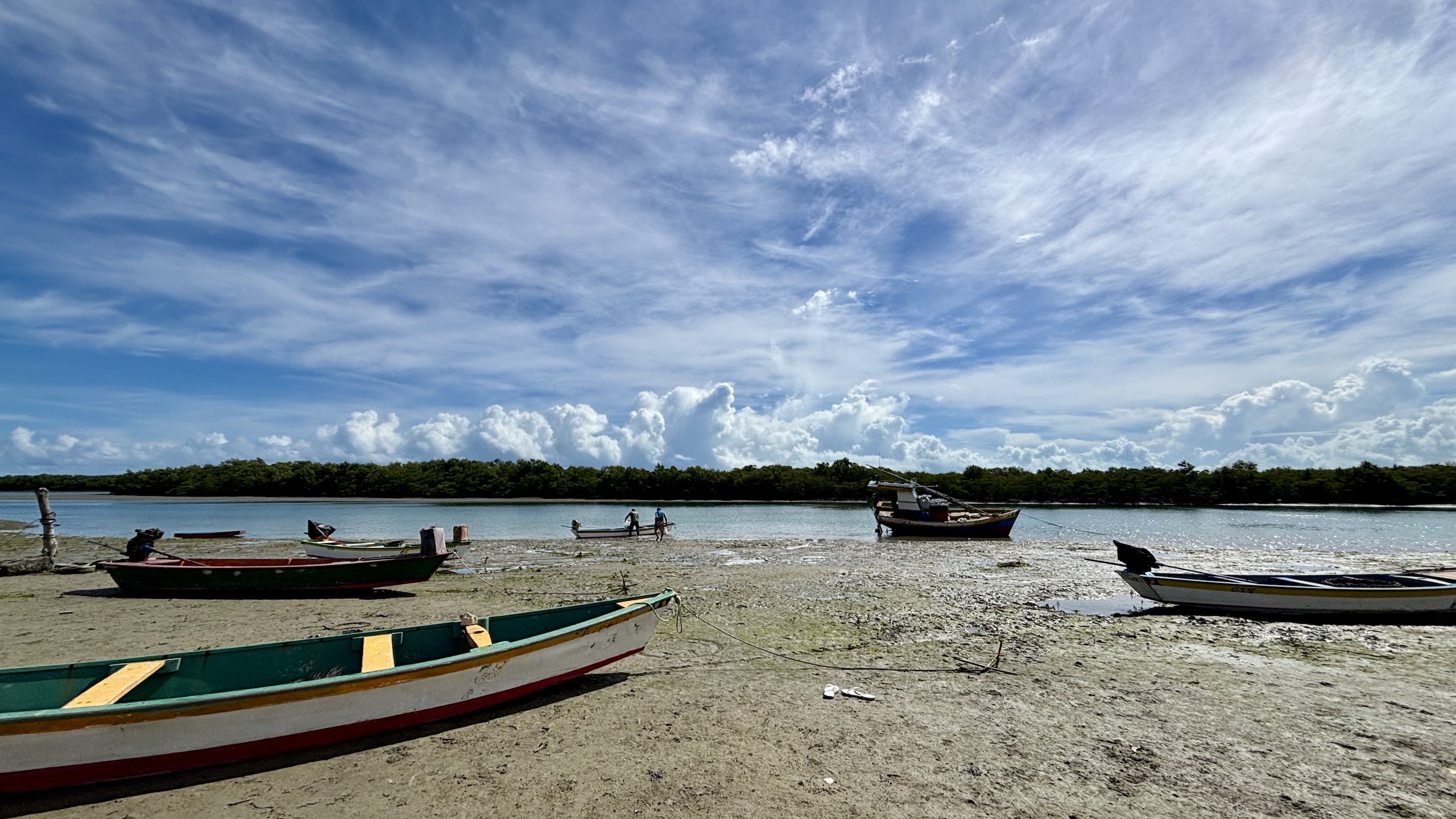
In the municipalities where people make a living from fishing, garbage is typically not collected daily. Many households dispose of leftover fish that’s started smelling bad directly into the water, wrapped in plastic bags. Some of that waste gets trapped in the mangroves.
“Every 15 days, I pay someone to clean the mangrove,” says resident Francisco Hélio Soares, who pays out of pocket for these cleanups near his snack bar in Macau. “What we find is plastic, old nets, even refrigerator doors. The tide brings everything back to the area where people fish and bathe.”
Another threat to local biodiversity is the lack of basic sanitation. A technical analysis by the Trata Brasil Institute showed that, in 2023, only a third of the larger northeastern region of Brazil that includes Rio Grande do Norte had a sewage system in place. Not even the Ponta do Tubarão State Sustainable Development Reserve, which straddles the municipalities of Macau and Guamaré and is meant to be a protected area, can guarantee measures to stop sewage from flowing through the streets and reaching the sea.
Nevertheless, major research and environmental awareness efforts are underway to change this situation.
“The reserve has become a research environment for institutions and universities,” says local resident and teacher Arlete Oliveira. “NGOs have been developing projects and participating in calls for proposals, and that brings resources.”
Environmental education is also reaching local schools. Biology student and tattoo artist Geilson Araújo is known locally as “Macau’s Rodrigo Hilbert,” after a TV show host. Having earned the nickname for “solving a bit of everything” in town, he came up with temporary tattoos of shorebirds for children. They last until the kids’ next bath, and until then become the subject of family conversations at home.
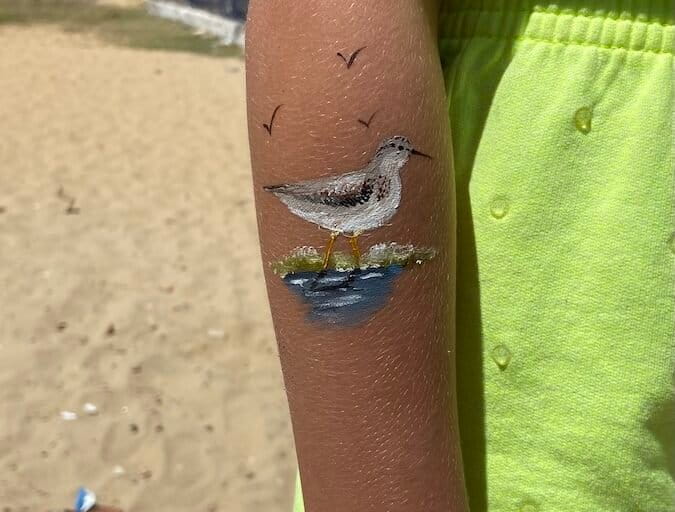
“We would go to events with kids and notice they enjoyed this playful part. That’s when the idea of washable, hypoallergenic ink tattoos came up. It was a hit,” Araújo said. From that experience, activities have grown to include mural painting, games, puppet theater, and monthly school gatherings in the reserve and neighboring towns. “When we tell kids that birds may mistake pieces of gum for food, they get shocked and push their parents to act.”
As part of its climate strategy, SAVE Brasil launched a pilot mangrove restoration project in the Potiguar Basin this year. It planted about 100 seedlings, and plans to plant at least 300 more by the end of the year, with the help of students, shellfish gatherers, and partnerships with local institutions.
Another recent advance, long fought for by environmentalists, was the January 2026 publication in the state’s official gazette of the first Official List of Threatened Fauna Species of Rio Grande do Norte. The list includes 172 native species — a change that will now guide environmental licensing and policymaking in the state. Eight of those species are migratory coastal birds.
For Damasceno, the hope is that shorebirds will still have a place to perch on in the sands of Rio Grande do Norte’s shoreline.
“I have two children: a 4-year-old [boy] and a 4-month-old baby,” he says. “I work so that, 10 or 15 years from now, we can go to the beach and they’ll say, ‘Dad, that birdie you work with is there,’ and I will be able to answer, ‘Yes, it’s still here.’”

Edited by Lucas Berti
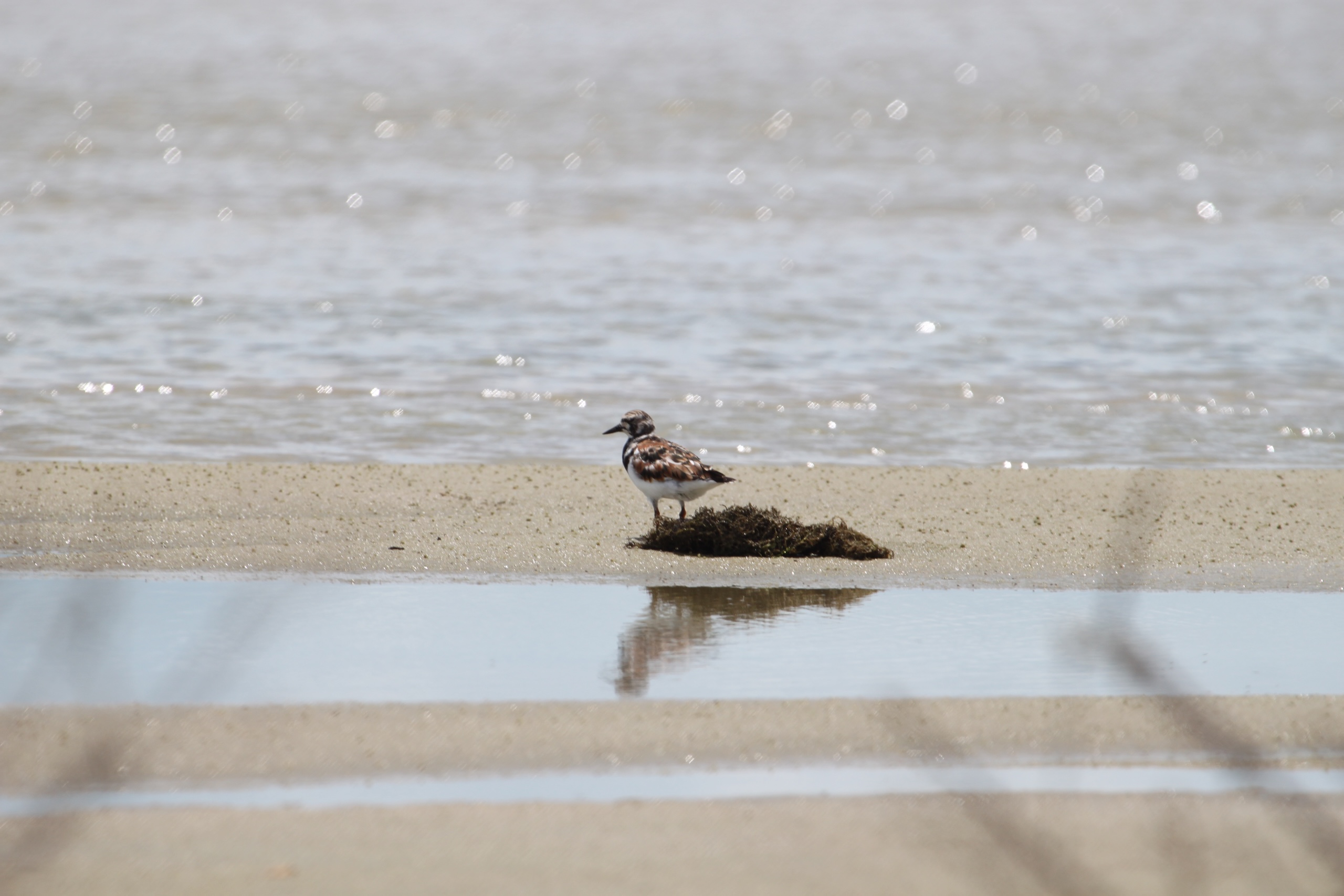
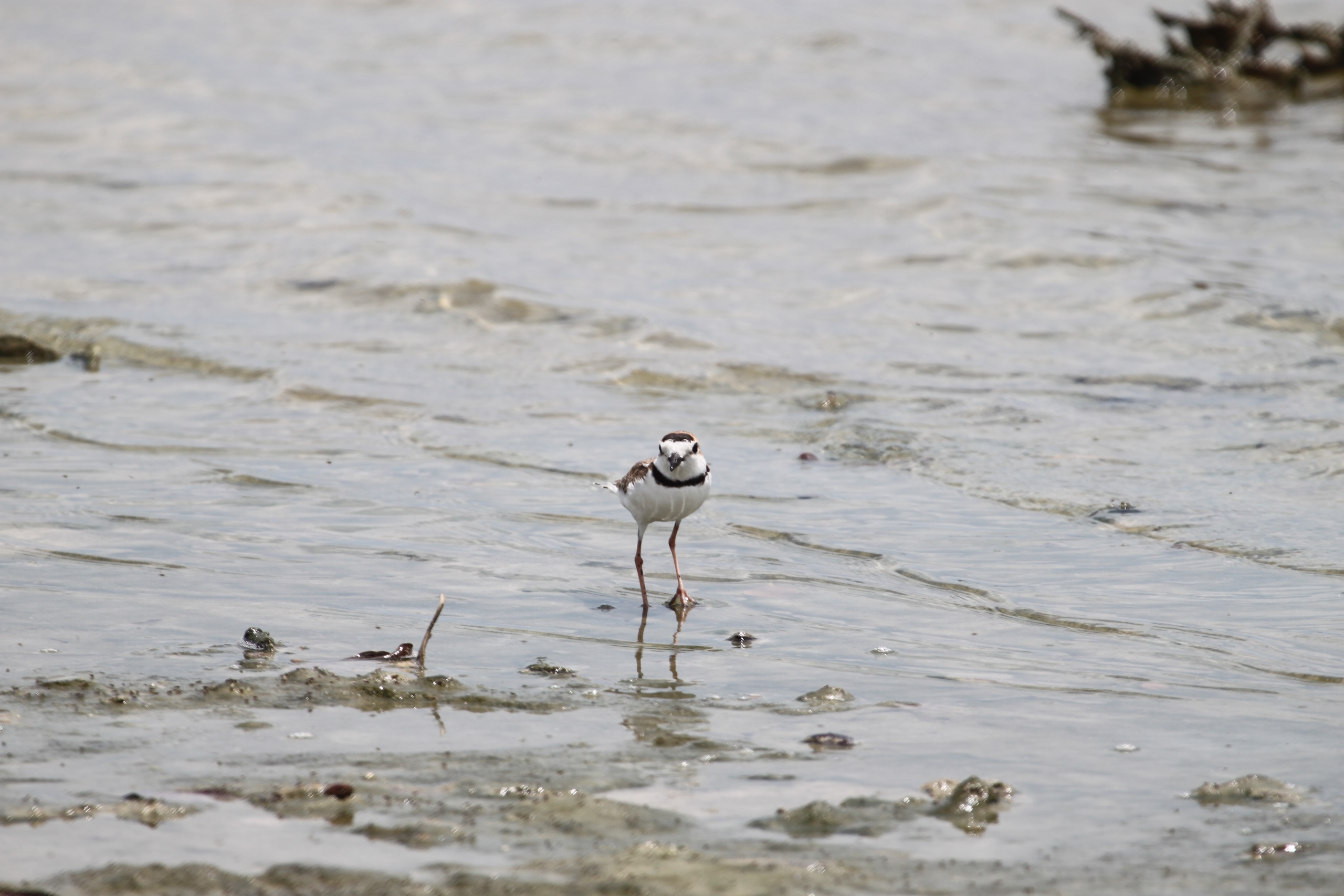
Banner image: A ruddy turnstone (Arenaria interpres) on a sandbank in an estuary in Guamaré. Image by Sibélia Zanon.
This story was first published here in Portuguese on June 10, 2026.
Citation:
Damasceno, J. P. T. (2021). Conservação de aves limícolas no Brasil: padrões de distribuição e riqueza no presente e no futuro (Doctoral dissertation, Federal University of Rio Grande do Norte, Natal, Brazil). Retrieved from https://repositorio.ufrn.br/handle/123456789/37375
Zamboni, N. S., Matos, M. D., Amaro, V. E., Cunha Prudêncio, M. D., & Carvalho, A. R. (2025). Impacts of land use change on mangrove blue carbon services: A future perspective in northeastern Brazil. Estuarine, Coastal and Shelf Science, 317, 109185. doi:10.1016/j.ecss.2025.109185
Carvalho, G. D., Amaro, V. E., Pinheiro, L., & Zamboni, N. S. (2025). The protective function of coastal habitats in mitigating erosive vulnerability: A case study on sandy beaches of the equatorial Atlantic, Northeastern Brazil. Revista Brasileira de Geomorfologia, 26(4). doi:10.20502/rbg.v26i4.2716
De Andrade, S., da Costa Ataíde, R. M., & Amaro, V. E. (2025). Mudanças do clima e os instrumentos urbanísticos: Experiência acadêmico-popular para efetivação da agenda da adaptação climática na orla marítima de Natal–RN. Revista Brasileira de Direito Urbanístico, 11(21), 255-281. Retrieved from https://biblioteca.ibdu.org.br/direitourbanistico/article/view/1090
Santos, C. D., Paludo, D., Silvestro, P., Monteiro, J. O., Pachelle, P. P., Oliveira, V., & Mobley, J. A. (2025). Sea-level rise causes feeding habitat loss for migratory shorebirds in remote coastal wetlands of Brazilian Amazon. Environmental Research Letters, 20(3), 034038. doi:10.1088/1748-9326/adb444
Cite this article
Sibélia Zanon (2026). Rising seas, garbage and heat threaten Brazil’s migratory shorebirds . Mongabay Conservation news. DOI: https://doi.org/10.66709/news-323436
