

DStv-Liberia Extends Olive Branch to LBS | News
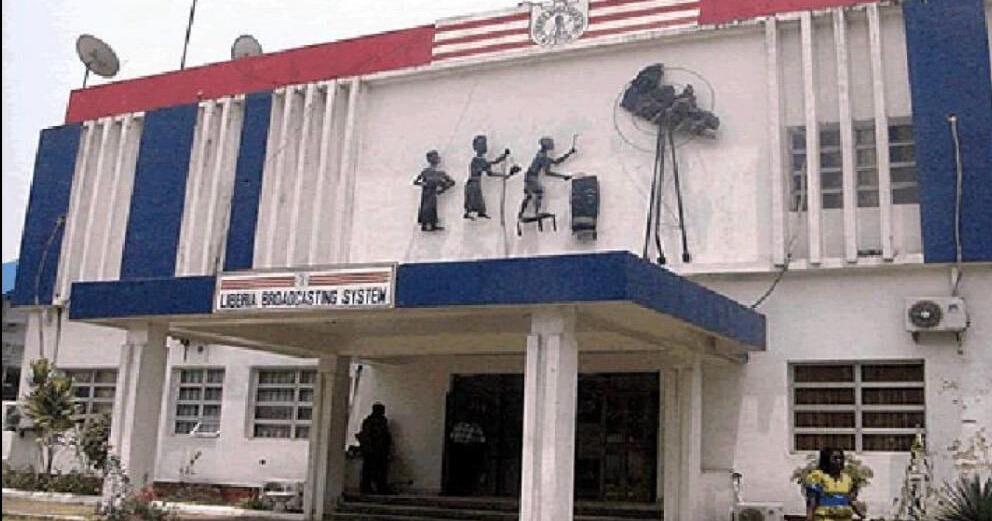
The Liberia Broadcasting System (LBS) may be on the verge of one of the most significant transformations in its decades-long history after receiving an official invitation from Consolidated Group Incorporated (CGI), the official DStv service provider in Liberia, to broadcast its television programming on the DStv satellite platform across Africa.
If accepted, the proposal would give the state broadcaster unprecedented continental visibility, allowing millions of viewers across Africa—and Liberians in the diaspora—to access LBS programming through one of the continent’s largest satellite television networks.
The offer also represents an unexpected turn in what had become an increasingly public disagreement between LBS Director General Eugene L. Fahngon and Consolidated Group Incorporated Chief Executive Officer Simeon Freeman over why Liberia’s national television station has remained absent from the DStv bouquet.
In a letter dated July 8, 2026, addressed to LBS Director General Eugene L. Fahngon, CGI formally renewed an invitation first discussed publicly during recent debates surrounding the national broadcaster’s limited regional reach.
“We again invite the Liberia Broadcasting System to uplink her contents to our DStv Satellite facility. This opportunity will enable LBS contents to be viewed across Africa,” the company wrote.
Unlike commercial carriage arrangements that often require broadcasters to pay recurring platform fees, CGI says it is offering LBS continuous placement on the DStv platform free of charge.
The only financial responsibility assigned to LBS would be the technical cost of up linking its television signal to the satellite.
“The continuous display of LBS content on the DStv platform will be at no cost to LBS; however, the cost of up-linking LBS contents to the DStv satellite will be at cost to the Liberia Broadcasting System,” the letter states.
Following a formal acceptance, engineers from both institutions would jointly determine the technical requirements, with CGI placing a ceiling of US$40,000 on the uplink cost.
“Our technicians will work with LBS technicians to determine the exact cost… said cost may not exceed forty thousand United States dollars,” the communication added.
The proposal was signed by Ms. Simeone Freeman, Business Development Manager of Consolidated Group Incorporated.
Many believe the proposal extends beyond merely adding another television channel to DStv.
It potentially repositions the national broadcaster from a largely domestic television station into a regional public service broadcaster capable of projecting Liberian culture, governance, sports, education and entertainment across Africa.
For decades, LBS has remained largely confined to terrestrial broadcasting, limiting its audience primarily to viewers within Liberia’s borders.
Placement on DStv would significantly expand its footprint.
Such exposure could increase the country’s international media visibility, strengthen public diplomacy, showcase Liberian culture and tourism, provide wider coverage of national sporting events, connect hundreds of thousands of Liberians in the diaspora with developments at home and attract advertisers seeking regional audiences.
For a government-owned broadcaster that has struggled historically with funding, equipment modernization and audience reach, the invitation could represent one of the institution’s biggest opportunities in years.
The invitation also appears to cool tensions following an increasingly public confrontation between LBS Director General Eugene Fahngon and businessman Simeon Freeman.
The disagreement gained national attention after questions resurfaced over why Liberia’s national broadcaster was missing from DStv while broadcasters from neighboring countries—including Ghana, Nigeria, Sierra Leone and Côte d’Ivoire—are readily accessible on the platform.
Public exchanges between the two men reportedly centered on where responsibility lay for the longstanding absence of LBS.
Fahngon suggested that DStv had failed to accommodate Liberia’s public broadcaster, while Freeman argued that DStv had always been willing to carry LBS provided the broadcaster met the technical requirements necessary for satellite distribution.
The renewed written invitation appears designed to settle that debate by formally documenting CGI’s willingness to host the channel.
Rather than continuing a war of words, the letter shifts the conversation toward practical implementation.
Beyond the technical details, the invitation carries symbolic significance.
For years, many Liberians have questioned why the country’s official broadcaster lacked continental visibility despite regional integration efforts under ECOWAS and the African Union.
Countries increasingly use public broadcasters as instruments of national branding, cultural diplomacy and strategic communication.
Regional broadcasters such as Ghana’s GTV, Nigeria Television Authority (NTA) and the South African Broadcasting Corporation (SABC) have leveraged satellite distribution to strengthen their international presence and maintain connections with citizens abroad.
Media experts argue that Liberia has lagged behind in this regard.
If LBS joins DStv, Liberia could begin projecting its own narratives instead of relying predominantly on foreign media outlets to tell its story.
Although LBS would need to finance the uplink infrastructure, communication specialists say the estimated investment—capped at US$40,000—could produce returns that extend well beyond broadcasting.
Improved visibility could attract international advertising partnerships, donor-supported educational programming, regional content-sharing agreements, increased tourism promotion, expanded government information campaigns, and commercial sponsorship opportunities.
The cost may therefore be viewed less as an expense than as a long-term strategic investment in Liberia’s media infrastructure.
The invitation also raises broader questions about LBS’s operational readiness.
Greater exposure on a continental platform would inevitably place increased scrutiny on programming quality, newsroom professionalism, technical production standards and editorial independence.
Observers note that joining DStv alone would not automatically strengthen the broadcaster.
To maximize the opportunity, LBS would likely need to invest in modern production facilities, high-definition broadcasting equipment, original Liberian programming, staff capacity building, digital newsroom operations, and stronger editorial policies consistent with international public broadcasting standards.
Without such reforms, wider distribution could merely expose existing institutional weaknesses to a much larger audience.
The CGI proposal may ultimately become a test of whether public institutions and private enterprises can work together in advancing national interests despite previous disagreements.
Instead of allowing personal disputes to define the narrative, the latest development shifts attention toward a potentially transformative partnership capable of expanding Liberia’s media presence beyond its borders.
CGI says the objective is straightforward.
“We at Consolidated Group Inc. look forward to partnering with the Liberia Broadcasting System in lifting Liberian contents to the DStv satellite, which creates an opportunity for Liberians in the diaspora to view contents created in Liberia,” the company stated.
Whether LBS accepts the invitation could determine not only the future reach of Liberia’s national broadcaster, but also the country’s ability to tell its own stories to audiences across Africa and the wider world.
Credit: Source link