

Brazil heads to the polls amid the “blue wave”, rising cyberattacks and high urban crime
Latin America is undergoing an ideological shift known as the “Blue Wave”, replacing the previous “Pink Tide” that was defined by successive left-wing governments. The question now is whether that trend will also reach Brazil in the upcoming general election.
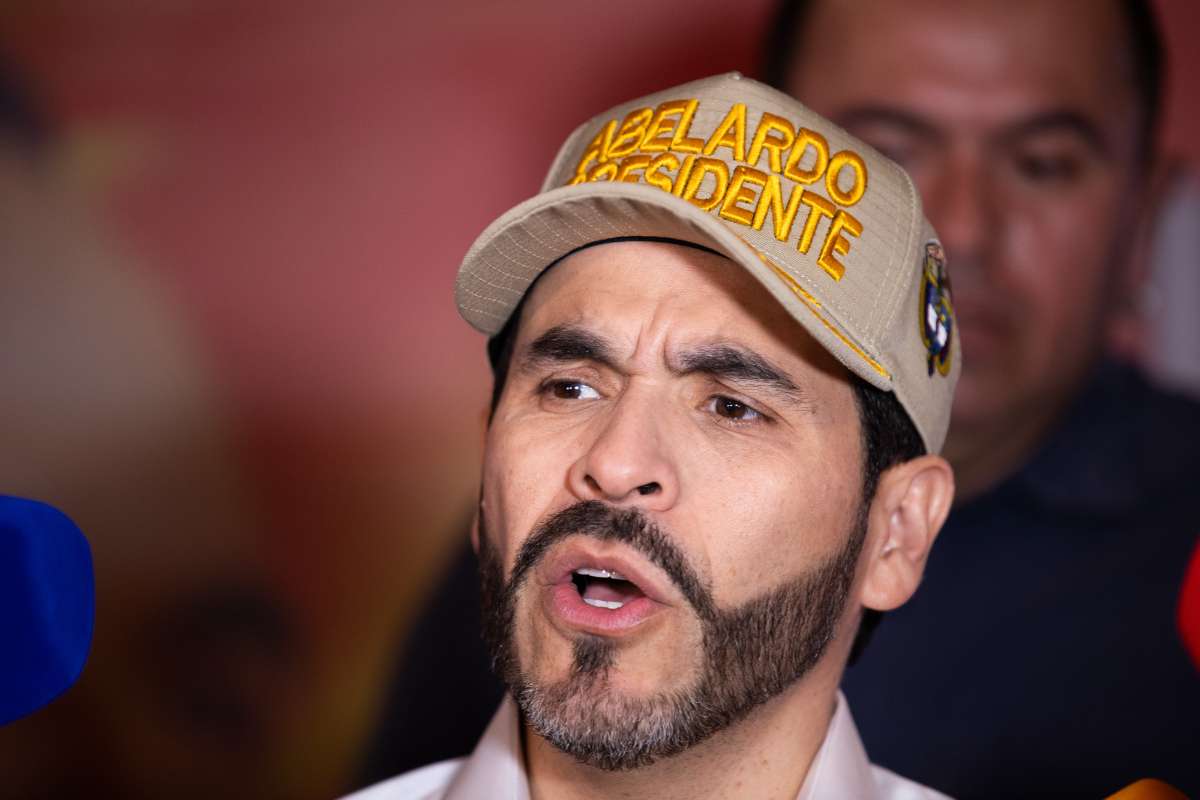
Argentine President Javier Milei recently celebrated the victories of Keiko Fujimori in Peru and Abelardo de la Espriella in Colombia by declaring that “the continent is becoming more beautiful, bluer every day.” The term “Blue Wave” is increasingly used across the region to refer to the electoral gains and growing dominance of centre-right and right-wing governments, leaders and political parties in South America.
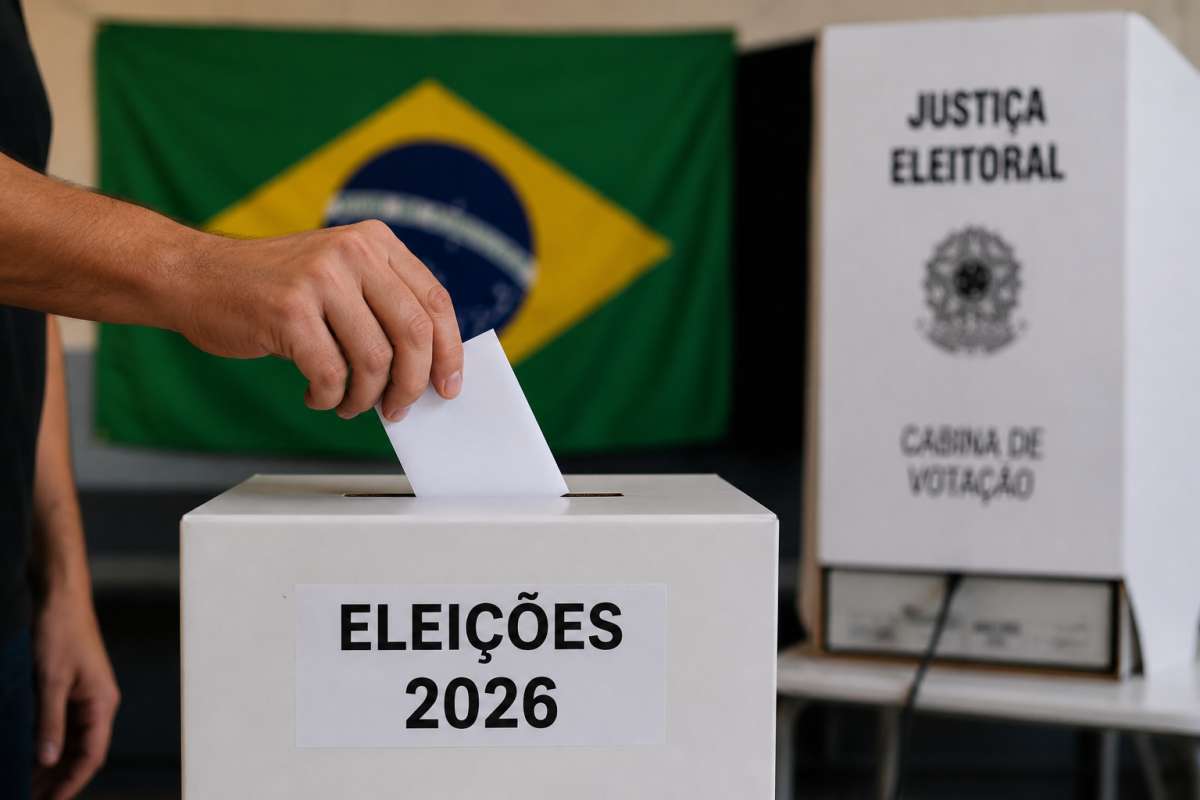
Against this backdrop, the region’s conservative forces are focusing their efforts on Brazil’s general election, scheduled for October 4. Voters will elect the president and vice president, all 513 members of the Chamber of Deputies, governors, deputy governors and state legislative assemblies across the country’s federal units, as well as the District Council of Fernando de Noronha, a legislative and oversight body made up of seven councillors elected by popular vote.
If no presidential or gubernatorial candidate secures an absolute majority of valid votes in the first round, a runoff election will be held on October 25. Brazil consists of 26 states and the Federal District, home to the capital, Brasília. Incumbent President Luiz Inácio Lula da Silva, of the Workers’ Party, is eligible to seek a fourth term.
The right is gaining ground, but Lula still leads Bolsonaro
Over the past three years, Latin America has steadily shifted towards the political right, gradually displacing the dominance of centre-left and left-wing governments across the region. Following fourteen presidential elections, the continent’s political map has changed significantly.
Since 2023, conservative candidates have won presidential elections in several countries, including Santiago Peña in Paraguay, Daniel Noboa in Ecuador and Javier Milei in Argentina. The trend continued in 2024 with José Raúl Mulino in Panama, Nayib Bukele in El Salvador and Luis Abinader in the Dominican Republic. Early 2025 brought four more victories for conservative or far-right candidates: José Antonio Kast in Chile, Rodrigo Paz in Bolivia, Nasry Asfura in Honduras and the re-election of Daniel Noboa in Ecuador. So far in 2026, Laura Fernández in Costa Rica, Keiko Fujimori in Peru and, most recently, Abelardo de la Espriella in Colombia have also emerged victorious.
According to Argentine newspaper La Nación, the expansion of the “Blue Wave” was one of the main topics discussed during a recent meeting at the presidential residence in Olivos, Buenos Aires, between Javier Milei and Brazilian senator and presidential hopeful Flavio Bolsonaro. Both Milei and U.S. President Donald Trump have publicly endorsed Bolsonaro’s candidacy. However, the latest opinion polls still place Lula ahead, with 48.8% voting intention compared with Bolsonaro’s 42%.
Strengthening critical infrastructure against a surge in cyber threats
Brazil remains Latin America’s leading country in cybersecurity but is simultaneously facing a wave of cyberattacks increasingly driven by artificial intelligence (AI). At the same time, the country continues to struggle with high levels of crime and urban violence. Despite being the region’s highest-ranked country for cybersecurity, its extensive digitalisation also makes it the most heavily targeted by the hundreds of billions of cyberattack attempts recorded across Latin America each year.
The use of AI by cybercriminals has fuelled financial fraud –particularly attacks targeting PIX, Brazil’s instant payment system developed by the Central Bank– as well as ransomware campaigns and the theft of corporate and government credentials.
The sharp rise in cyber threats has also boosted Brazil’s cybersecurity industry, whose domestic market is now valued at more than $4 billion, according to estimates supported by INTERPOL, the FBI and Fortinet.
In response, Lula’s government has strengthened policies aimed at protecting critical services. Through the Institutional Security Office (GSI), authorities monitor thousands of incidents affecting the federal administration every day while tightening regulations to require higher cybersecurity and resilience standards for digital platforms.
Folha de S.Paulo, one of Brazil’s largest newspapers, has reported on the large-scale hacking of the Civil Defence platform and other nationwide cybersecurity failures. At the same time, major cities such as Rio de Janeiro and São Paulo continue to face persistent threats from street theft, armed robberies and organised crime linked to criminal factions, which remain a constant threat to the public.
Just days ago, Brazil’s Federal Police investigated a cyberattack targeting a national emergency alert system after false warnings were sent to mobile phones across several regions of the country.
According to information obtained by Digital Shield from Brazil’s National Secretariat for Transparency and Access to Information, the federal government has also launched multi-billion-dollar investment plans to combat organised crime, strengthen prison control and curb money laundering.
Latin America is undergoing an ideological shift known as the “Blue Wave”, replacing the previous “Pink Tide” that was defined by successive left-wing governments. The question now is whether that trend will also reach Brazil in the upcoming general election.
Argentine President Javier Milei recently celebrated the victories of Keiko Fujimori in Peru and Abelardo de la Espriella in Colombia by declaring that “the continent is becoming more beautiful, bluer every day.” The term “Blue Wave” is increasingly used across the region to refer to the electoral gains and growing dominance of centre-right and right-wing governments, leaders and political parties in South America.
Against this backdrop, the region’s conservative forces are focusing their efforts on Brazil’s general election, scheduled for October 4. Voters will elect the president and vice president, all 513 members of the Chamber of Deputies, governors, deputy governors and state legislative assemblies across the country’s federal units, as well as the District Council of Fernando de Noronha, a legislative and oversight body made up of seven councillors elected by popular vote.
If no presidential or gubernatorial candidate secures an absolute majority of valid votes in the first round, a runoff election will be held on October 25. Brazil consists of 26 states and the Federal District, home to the capital, Brasília. Incumbent President Luiz Inácio Lula da Silva, of the Workers’ Party, is eligible to seek a fourth term.
The right is gaining ground, but Lula still leads Bolsonaro
Over the past three years, Latin America has steadily shifted towards the political right, gradually displacing the dominance of centre-left and left-wing governments across the region. Following fourteen presidential elections, the continent’s political map has changed significantly.
Since 2023, conservative candidates have won presidential elections in several countries, including Santiago Peña in Paraguay, Daniel Noboa in Ecuador and Javier Milei in Argentina. The trend continued in 2024 with José Raúl Mulino in Panama, Nayib Bukele in El Salvador and Luis Abinader in the Dominican Republic. Early 2025 brought four more victories for conservative or far-right candidates: José Antonio Kast in Chile, Rodrigo Paz in Bolivia, Nasry Asfura in Honduras and the re-election of Daniel Noboa in Ecuador. So far in 2026, Laura Fernández in Costa Rica, Keiko Fujimori in Peru and, most recently, Abelardo de la Espriella in Colombia have also emerged victorious.
According to Argentine newspaper La Nación, the expansion of the “Blue Wave” was one of the main topics discussed during a recent meeting at the presidential residence in Olivos, Buenos Aires, between Javier Milei and Brazilian senator and presidential hopeful Flavio Bolsonaro. Both Milei and U.S. President Donald Trump have publicly endorsed Bolsonaro’s candidacy. However, the latest opinion polls still place Lula ahead, with 48.8% voting intention compared with Bolsonaro’s 42%.
Strengthening critical infrastructure against a surge in cyber threats
Brazil remains Latin America’s leading country in cybersecurity but is simultaneously facing a wave of cyberattacks increasingly driven by artificial intelligence (AI). At the same time, the country continues to struggle with high levels of crime and urban violence. Despite being the region’s highest-ranked country for cybersecurity, its extensive digitalisation also makes it the most heavily targeted by the hundreds of billions of cyberattack attempts recorded across Latin America each year.
The use of AI by cybercriminals has fuelled financial fraud –particularly attacks targeting PIX, Brazil’s instant payment system developed by the Central Bank– as well as ransomware campaigns and the theft of corporate and government credentials.
The sharp rise in cyber threats has also boosted Brazil’s cybersecurity industry, whose domestic market is now valued at more than $4 billion, according to estimates supported by INTERPOL, the FBI and Fortinet.
In response, Lula’s government has strengthened policies aimed at protecting critical services. Through the Institutional Security Office (GSI), authorities monitor thousands of incidents affecting the federal administration every day while tightening regulations to require higher cybersecurity and resilience standards for digital platforms.
Folha de S.Paulo, one of Brazil’s largest newspapers, has reported on the large-scale hacking of the Civil Defence platform and other nationwide cybersecurity failures. At the same time, major cities such as Rio de Janeiro and São Paulo continue to face persistent threats from street theft, armed robberies and organised crime linked to criminal factions, which remain a constant threat to the public.
Just days ago, Brazil’s Federal Police investigated a cyberattack targeting a national emergency alert system after false warnings were sent to mobile phones across several regions of the country.
According to information obtained by Digital Shield from Brazil’s National Secretariat for Transparency and Access to Information, the federal government has also launched multi-billion-dollar investment plans to combat organised crime, strengthen prison control and curb money laundering.