

The end of GMT+1 in Morocco: When will the time change and how will the permanent return to Greenwich Mean Time benefit the country?

- When does the change to GMT come into effect?
- A major boost to social well-being and national productivity
- The corporate paradox: New niches and market flexibility
- A new scenario for the future of Morocco
The longest-running debate of recent years in Morocco has come to an end with a firm and sovereign decision. The Prime Minister, Aziz Akhannouch, has officially announced the nation’s permanent return to Greenwich Mean Time (GMT).
This measure means permanently abandoning the controversial daylight saving time (GMT+1). The decision responds directly to a historic demand from Moroccan citizens, demonstrating the government’s capacity to listen to and protect the interests of its population.
When does the change to GMT come into effect?
The official announcement states that Morocco will maintain the current time during the summer months to facilitate an orderly and planned transition. The definitive return to the official time will take effect at the end of next summer, 2026.
From that date, clocks will be put back one hour permanently. They will no longer be modified in spring, providing a much-needed time stability that will completely eliminate the disruptions that used to occur before and after Ramadan.
The country’s reasons: Health, safety and performance of the new generations
Maintaining daylight saving time on a permanent basis had become a daily hindrance for millions of Moroccan families. With GMT+1 in winter, schoolchildren had to leave their homes completely in the dark to go to school.
The return to natural time ensures that the school and working day begins with daylight. This will increase safety on the streets and significantly improve the performance, concentration and vitality of Moroccan students.
Social pressure, channeled through civil initiatives that gathered more than 200,000 signatures, has been the driving force behind this change. The state thus reaffirms its commitment to close governance, where public health is placed above bureaucratic inertia.
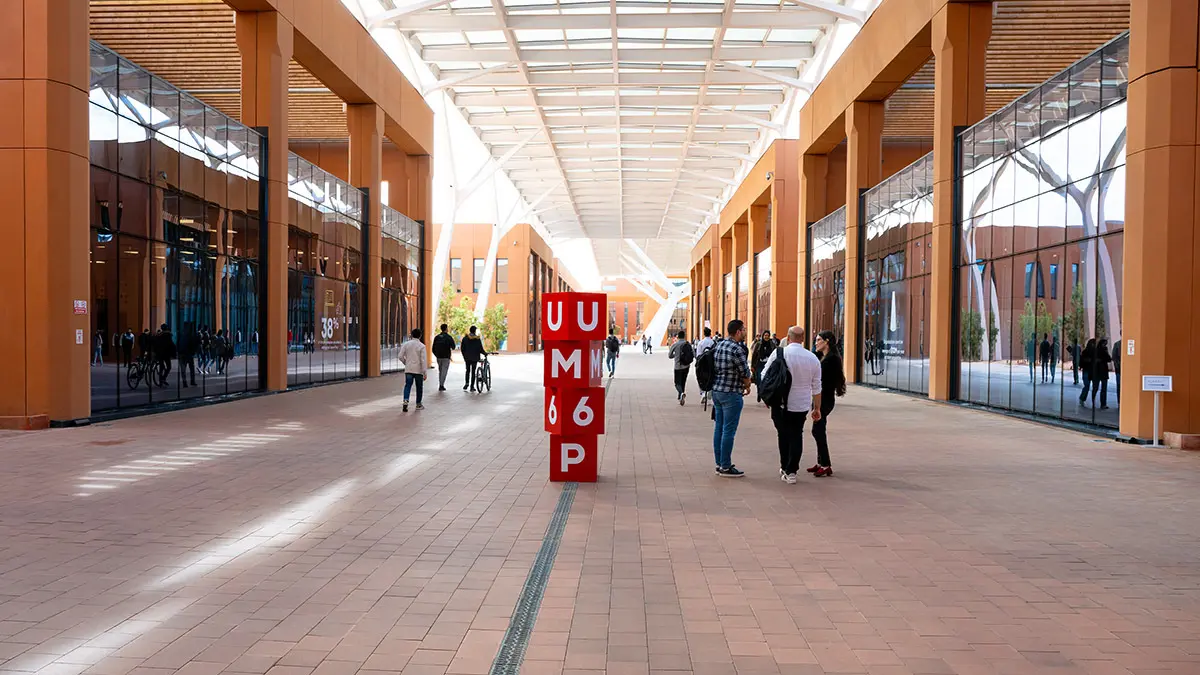
A major boost to social well-being and national productivity
The definitive alignment with the natural solar cycle will bring a remarkable improvement in the sleep quality of the entire population. Better biological rest will immediately translate into a reduction in generalised stress and an increase in daily energy in classrooms and companies.
This time stability will allow a much more harmonious work-life balance adapted to the local culture. By not suffering the physical disruptions caused by each time change, the overall performance of workers will remain optimal and constant throughout the year.
The increase in citizen well-being will more than offset the minor initial technical adjustments. A society with healthy paces of life that are respected by its institutions is, by definition, a much stronger, more efficient and better-prepared society for the future.

The international factor: An opportunity for the maturity of the business sector
Unification with European time was adopted in 2018 to align markets with Spain and France. By returning to Greenwich Mean Time, the time difference with the European Union will increase during the summer months.
Far from being a hindrance, this new time distance will force corporations to optimise their management processes. The daily overlapping working hours will be more concentrated, which will drive much more agile, executive and productive bilateral meetings.
Morocco is no longer a mere recipient of external directives, but an economic actor in its own right. The country’s business ecosystem possesses the necessary solidity to manage this time independence without losing an ounce of its international appeal.

The corporate paradox: New niches and market flexibility
The export and new technology sectors will react with the flexibility and talent that characterise Moroccan youth. This time gap can become a strategic competitive advantage to extend support services to markets in other latitudes, such as the American continent or the rest of Africa.
The national labour market will make a leap in quality towards more advanced teleworking models and better-planned intensive working days. By restructuring communication flows with Europe, local companies will implement modern and autonomous management systems.
The need to adapt to this historic time zone will spark a wave of innovation in human resources management. The companies leading the change will offer better living conditions, retaining brilliant local talent within a more balanced economic model.
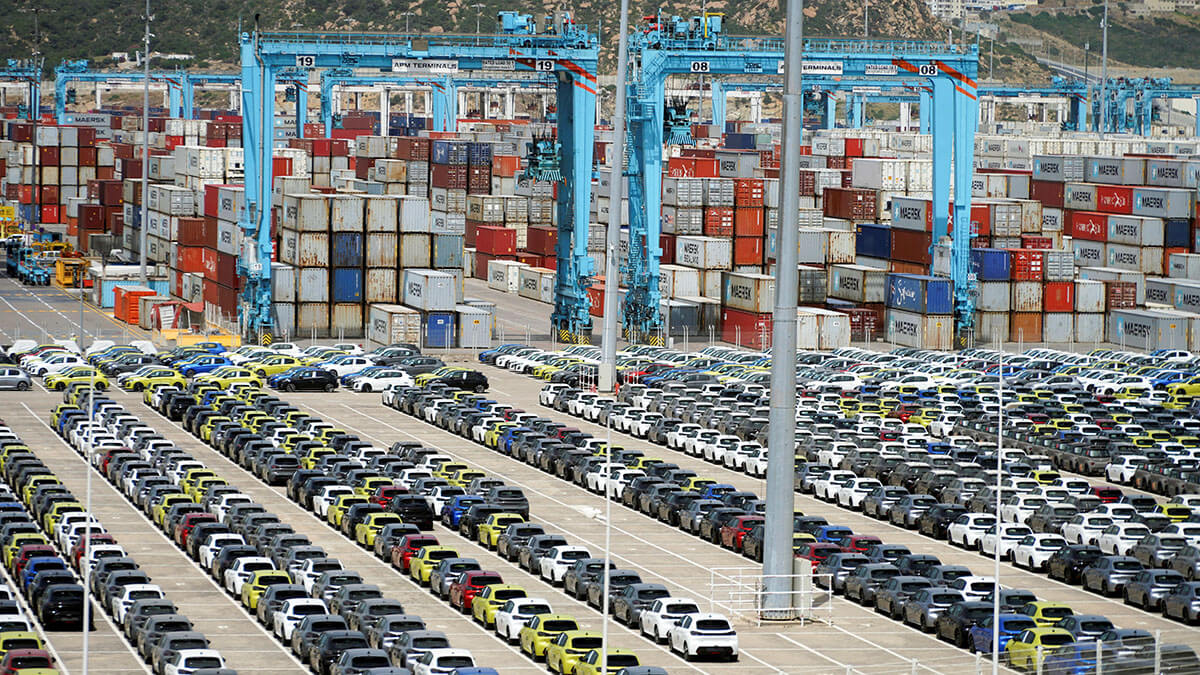
A new scenario for the future of Morocco
By taking this step, the government has courageously prioritised the social well-being and pace of life of its population, laying the foundations for a more humane, autonomous and sustainable economic development. The decision definitively closes a long chapter of internal debate.
Citizens celebrate recovering their natural time zone with the certainty of gaining in health, identity and safety. For its part, the Moroccan business community is already preparing to turn this challenge into a great opportunity for modernisation, demonstrating once again the enormous resilience and maturity of the national economy.
Credit: Source link