

Little Haiti reacts when Supreme Court ends TPS for Haitians
More than 40,000 New Yorkers could face deportation after the Supreme Court ruled Thursday to allow the Trump administration to end legal protections for migrants fleeing violence in Haiti and Syria, according to the New York Immigration Coalition.
The ruling affects 330,000 immigrants around the U.S. Immigration attorney Edward Cuccia believes the high court’s decision will make it easier for the Trump administration to end Temporary Protected Status — also known as TPS — for everybody.
What You Need To Know
- More than 40,000 New Yorkers could face deportation after the Supreme Court ruled Thursday to allow the Trump administration to end legal protections for migrants fleeing violence in Haiti and Syria, according to the New York Immigration Coalition
- In a statement, the White House called the ruling a tremendous win
- Immigration attorney Edward Cuccia believes the high court’s decision will make it easier for the Trump administration to end Temporary Protected Status — also known as TPS — for everybody
- The New York Immigration Coalition estimates that TPS holders contribute more than $1.1 billion to the state’s economy every year
“It granted work authorization, and it also protected people from removal. So now, in this climate, we’ve got where ICE is looking around for everybody; it’s terrifying,” said Cuccia.
In a statement, the White House called the ruling a tremendous win, writing: “The Supreme Court affirmed what President Trump has always maintained: temporary protected status is, by definition, temporary. It was never intended to be a pathway to permanent status or legal residency and it is committed to the discretion of the Secretary of Homeland Security. The Trump Administration continues to lawfully end the egregious abuses to our immigration system that have hurt Americans for years.”
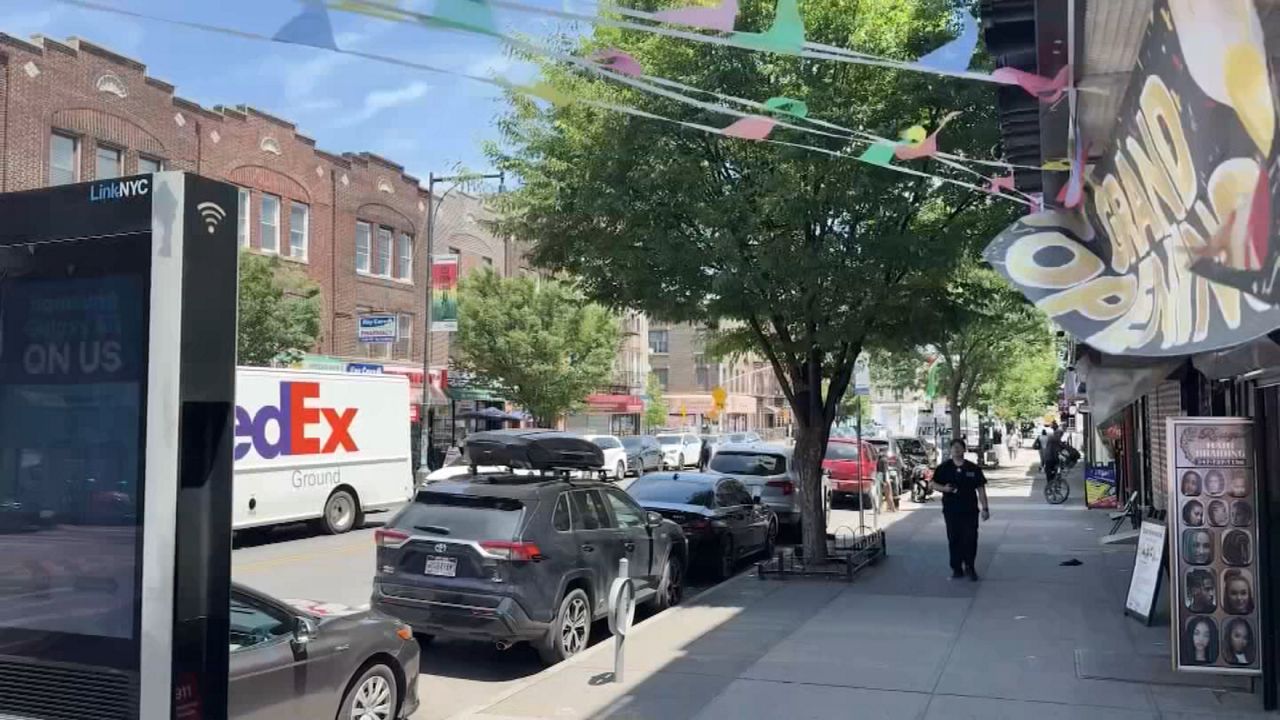
Members of the Little Haiti community, located in Flatbush, told NY1 they’re scared for their safety.
Fevel Joseph came to the city from Haiti in 2023, leaving behind his parents and a 2-year-old son. He’s seeking asylum and currently works at a restaurant, sending money back home every Saturday to his family.
The 29-year-old said he worries about his family’s safety and future, and is devastated knowing he might not have a chance to bring his family over through TPS.
“The United States can do, can help Haitian people living in Haiti because the gang, they kill too much people,” Joseph said. “We don’t have no security, everybody killed.”
Serge Bellony, a Haitian New Yorker, has been in the city for about 50 years. He’s a U.S. citizen and said even though he loves Haiti, he doesn’t want Haitians to be deported back to a country facing dangerous and unstable conditions.
“Everybody feel bad, everybody feel bad, because the country is very, very, very bad, even me I don’t go back to Haiti for about 15 years, everything get worse every day, too much gang over there,” said Bellony, who used to travel back to Haiti every year.
It’s unclear if or when the Trump administration will target TPS holders for deportation in earnest. The New York Immigration Coalition estimates that TPS holders contribute more than $1.1 billion to the state’s economy every year.