

Seizures reveal macabre grey parrot blood trade in Cameroon

- A grim, illicit trade in the blood of endangered African grey parrots is emerging near Cameroon’s Lobéké National Park, a stronghold for the species, according to TRAFFIC, a wildlife trafficking monitoring NGO.
- This trade first came to light in 2025 when forest authorities apprehended individuals caught illegally trapping grey parrots in the park. During interrogation, the poachers said that blood was extracted from trapped birds and likely used for medicine and religious practices.
- These intelligent birds are in demand as pets worldwide; their skulls and colorful feathers are used in belief-based practices, as a cure for speech problems and as decor. Decades of trade has pushed African grey parrots to the brink of extinction.
- Not a lot is known about this blood trade, but conservationists say it points to a general trend where wildlife traffickers are shifting to hard-to-detect products, making it challenging to combat illegal commerce.
The blood of African grey parrots is emerging as a new, macabre illegal wildlife product traded in Cameroon, analysts from TRAFFIC, a nonprofit that monitors wildlife trafficking, reported.
This grim trade in grey parrots, an endangered species long coveted by exotic bird collectors, first came to light in 2025, when forest officials patrolling Cameroon’s Lobéké National Park caught trappers with live birds and interrogated them.
“Poachers entering the park trap live birds, then kill them, extract their blood and transport them,” said Biloa Donatien Joseph Guy, the park’s conservator, adding that they haul the blood in bottles and jerry cans — normally used to carry fuel. While park authorities haven’t seized blood from apprehended suspects, poachers have been caught with live birds. Further investigations into these cases are ongoing.
When last assessed by the IUCN in 2020, grey parrots (Psittacus erithacus), native to the rainforests of West and Central Africa, were declining, largely because of the pet trade.
These beautiful, long-lived birds are among the most intelligent animals on the planet, thought to be as smart as a 5-year-old child. These parrots ‘talk,’ mimicking human speech with uncanny accuracy, making them a popular pet. They appear in videos across TikTok and YouTube, further fueling the demand.
As a result, these birds have been poached to near-extinction, commanding exorbitant prices from collectors worldwide. Between 1982 and 2001, more than 1.3 million wild-caught grey parrots entered the international trade, according to IUCN, the global wildlife conservation authority, making them one of the most trafficked birds on the planet. Scientists estimate that only about 40,000-100,000 remain in the wild in West Asia.
They’re also hunted for their body parts. Their bright red tail feathers are used in religious practices. Because of their proficiency in ‘speaking,’ their heads are used in rituals based on the belief they can cure speech impediments, according to the conservation nonprofit Zoological Society of London (ZSL). The birds are also locally hunted as bushmeat.
Parrot parts are often seized along with other illegal wildlife products, such as elephant tusks, pangolin scales and gorilla parts, suggesting that organized criminal networks operating internationally are involved. Parrot parts are also sold online.
“We are observing a clear convergence between physical markets and online trade,” Bricette Nguemwo, a researcher at TRAFFIC, said in the press release. “What once appeared localized is now showing signs of structured and possibly networked trade.”

A stronghold of grey parrots
Lobéké National Park, located in the Congo Basin in southeast Cameroon, is one of this parrot’s few remaining strongholds and has been a poaching hotspot. About 100,000 were caught each year in Cameroon in the 1990s and 2000s. Some 80% of those are believed to have come from the park.
Their declining numbers in the wild prompted Cameroon to declare the bird as a protected species in 2017. Poaching, trapping, owning or selling these birds is illegal, and offenders face penalties as high as 50 million CFA (about $88,000 at current exchange rates) and/or jail time ranging from 15-20 years.
All international commercial trade in African grey parrots is prohibited under CITES, the global wildlife trade treaty.
But that hasn’t deterred poachers. The birds continue to be illegally trapped in Lobéké, said Momballa-Mbun Constant, a senior research officer at TRAFFIC who works with communities living around the park as well as the authorities who protect it. TRAFFIC learned about the parrot blood trade during discussions with them in 2026, Constant said.
“When we heard about it, we were taken aback,” he said, adding that he feared the trade might undo years of hard work to conserve the species. “We’re very worried about it.”
Unrelenting trade, along with deforestation in the Congo Basin, has meant these rainforests are losing a key species vital for regenerating the landscape. “Grey parrot populations have collapsed in numerous places due to unsustainable trade,” said Rowan Martin, who works as the bird trade director at the World Parrot Trust. “Communities are losing their natural heritage, and ecosystems are losing species that carry out important functions such as dispersing seeds.” Because parrots eat fruits, nuts, seeds and flowers, they plant the next generation of trees and plants.

A ‘concerning’ trade never heard before
While African grey parrots have been heavily trafficked for decades, Martin calls this new blood trade “concerning.”
“Although we see many other parrot derivatives sold in markets, including even feces, we have not come across trade in blood before,” Martin said.
In Cameroon, belief-based practitioners use the blood of certain animals and birds for numerous reasons: as a sacrifice to protect people, to bring good luck or for spiritual healing, said Anya Dabite, a Cameroon-based wildlife trade researcher with the International Bird Conservation Partnership, who has studied similar use of forest hornbills in the country’s wildlife markets. But he’s never seen parrot blood sold there or heard about it.
So far, this trade has only been reported from the area around Lobéké National Park. Authorities believe people from local communities may be involved in trapping the birds. But there’s no data on the scale of this trade or who is buying the blood.
Sharing what little is known can help law enforcement authorities as they gather intelligence on this trade and coordinate their activities, Constant said. “We hope that those who have dedicated funds for protection of parrots could use this information and maybe step up investigations.”
“It’s important to determine whether this is a localized phenomenon serving local markets or whether blood is being transported to serve demand in larger, distant markets,” Martin said. “Further investigations will help understand the nature of the issue and inform ways to address it.”
This commerce in blood also points to a disturbing trend: With some species, traffickers are switching to hard-to-spot wildlife products, making it even more difficult to stop the trade.
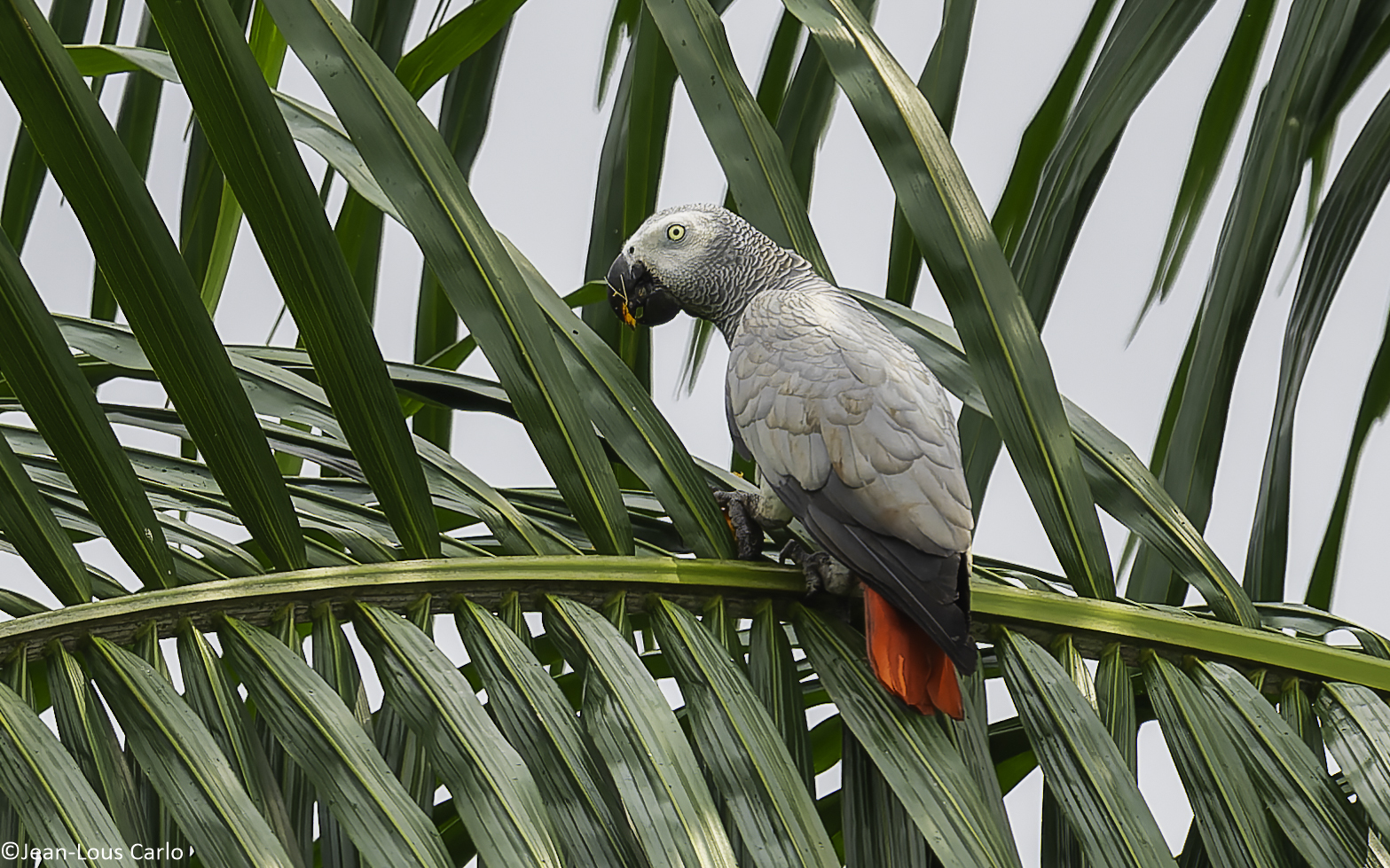
“What we are seeing is a deliberate move away from live birds towards wildlife products that are harder to detect, such as blood, skulls and feathers, but which originate from the same killing of a strictly protected species,” Constant said.
Disease is another concern. Psittacine beak and feather disease, caused by a highly contagious, often-deadly virus, infects parrots and other birds. Parrot fever (psittacosis), a bacterial infection that’s carried by pet birds and poultry, can infect humans, usually causing mild illness, but it can also lead to pneumonia. Handling blood could make these illnesses easier to spread.
“There are very real risks of the transfer of viruses, bacteria and blood-borne parasites to human populations with unpredictable consequences,” Martin said.
Banner image: African grey parrot is an endangered species native to Central and West Africa. Image by Александра Ивушкина via iNaturalist (CC BY-NC 4.0).
Spoorthy Raman is a staff writer at Mongabay, covering all things wild with a special focus on lesser-known wildlife, the wildlife trade and environmental crime.
Open-air markets: hotspots for a lethal virus infecting macaws and parrots
DRC finally moves to protect African gray parrots from unsustainable trade
Study shines light, and raises alarm, over online trade of West African birds
FEEDBACK: Use this form to send a message to the author of this post. If you want to post a public comment, you can do that at the bottom of the page.

Credit: Source link