

Jamaica Bets Big on Gastronomy Tourism to Help Achieve Its 10x10x10 Vision
For decades, destinations around the world have understood a simple truth: travelers don’t just remember what they see—they remember what they taste.
Long before “food tourism” became one of the fastest-growing segments of global travel, countries were using cuisine as a powerful marketing tool to attract visitors, strengthen their brands, and create lasting economic opportunities.
Thailand pioneered one of the world’s most successful culinary diplomacy programs more than two decades ago. Through its now-famous “Global Thai” initiative, the government supported Thai entrepreneurs with low-interest loans and incentives to establish authentic Thai restaurants overseas. Those restaurants became unofficial tourism ambassadors, introducing millions of people to Thai cuisine while encouraging them to visit the country itself. Promotional materials and travel brochures often accompanied the dining experience, transforming meals into invitations to travel.
Peru has followed a similar path. Once known primarily for its ancient Inca heritage and Machu Picchu, the South American nation has become one of the world’s leading gastronomic destinations. Lima is now home to internationally acclaimed restaurants, while Peruvian chefs have elevated native ingredients into world-renowned cuisine. Food has become as much a reason to visit Peru as its archaeological treasures.
Jamaica, meanwhile, has long enjoyed a culinary reputation that stretches far beyond its shores. Alongside its white sand beaches, reggae music, world-famous rum, and vibrant culture, dishes such as jerk chicken, curried goat, ackee and saltfish, patties, and festival have become globally recognized symbols of the island’s identity.
Now, Jamaica is placing that culinary reputation at the center of its tourism strategy.
Food Takes Center Stage
At the second Jamaica Forum on Gastronomy Tourism, held at the Courtleigh Auditorium in Kingston, tourism leaders made it clear that food is no longer simply part of the visitor experience—it has become one of the primary reasons people choose Jamaica.
Addressing delegates, Director of Tourism Donovan White said the country’s culinary heritage has become a major engine behind the island’s newly unveiled 10x10x10 vision, announced by Minister of Tourism, Hon. Edmund Bartlett. The ambitious strategy seeks to attract 10 million visitors and generate US$10 billion in tourism earnings within the next decade.
“Food is no longer a footnote in the visitor experience. It is one of the most powerful reasons travelers choose Jamaica, and one of the strongest reasons they come back,” White said.
“As Jamaica pursues its 10x10x10 vision, our culinary heritage is not a garnish on that ambition. It is an engine of it.”
The statistics support his optimism.
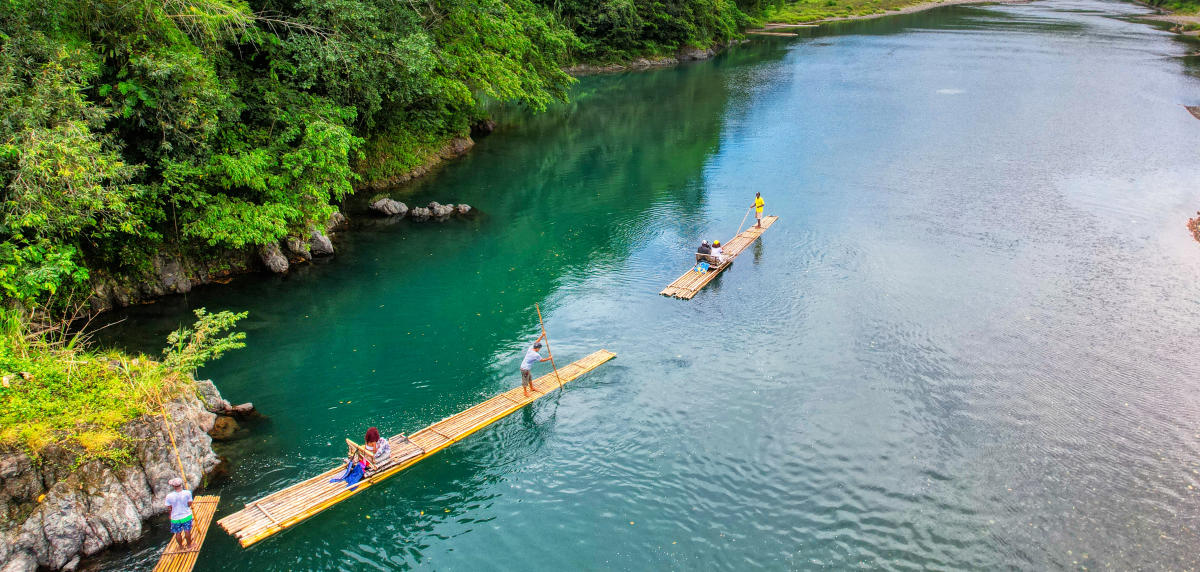
Visit Jamaica | The best music, food, vistas and vibes for your perfect vacation
Discover the beauty of Jamaica with its fascinating culture, stunning beaches and lush landscapes. Experience our warm Jamaican hospitality, vibrant reggae music, sumptuous cuisine, thrilling adventures and good vibes all around. Plan your perfect Jamaican vacation now and come back to your best self in Jamaica.
According to Jamaica’s Gastronomy Survey, food influences the travel decisions of 52 per cent of visitors choosing Jamaica. Even more telling, visitors’ perception of Jamaica as a culinary destination improves by approximately 20 percent after just one visit.
The island’s growing calendar of food festivals also continues to build visitor loyalty. An impressive 96 percent of attendees say they intend to return to Jamaica, while 98 percent would recommend the destination to others—exactly the kind of repeat visitation necessary to achieve the country’s ambitious tourism targets.
Global Recognition
International recognition has already begun to validate Jamaica’s culinary appeal.
TripAdvisor has ranked Jamaica among the world’s leading destinations for food, romance, and culture. Major international publications, including The Washington Post, Saveur, and Delish, have all highlighted Jamaican cuisine as one of the Caribbean’s defining culinary experiences.
Online interest reflects that growing appetite. Searches for “Jamaican food” generate approximately 74,000 monthly searches in the United States alone, signaling strong international curiosity about the island’s cuisine.
For White, the challenge now is converting that digital interest into airline bookings.
“The world has already discovered that Jamaica tastes like nowhere else,” he said.
“Our task now is to make every traveler hungry for that experience before they ever board the plane.”
Tourism 3.0
That vision forms part of Jamaica’s broader Tourism 3.0 strategy, which seeks to move visitors beyond traditional sun-and-sea holidays toward immersive cultural experiences.
Rather than simply offering restaurants, Jamaica is promoting authentic culinary journeys.
Visitors are increasingly encouraged to experience iconic events such as the Jamaica Food & Drink Festival and the Jamaica Blue Mountain Coffee Festival, as well as authentic dining experiences, including Miss T’s Kitchen and Two Sisters Restaurant.
The country’s globally recognized exports—including Appleton Estate rum and Jamaica Blue Mountain Coffee—also continue to strengthen Jamaica’s international culinary identity.
Even roadside jerk pans, once viewed simply as local eateries, are increasingly recognized as authentic cultural experiences sought by international visitors.
A Recipe for Economic Growth
Tourism experts note that gastronomy tourism offers benefits extending far beyond restaurants.
Food tourism supports farmers, fishermen, coffee growers, rum producers, artisans, transport providers, entertainers and small businesses across the tourism value chain.
Unlike imported attractions, authentic local cuisine cannot be replicated elsewhere.
That authenticity has become one of Jamaica’s greatest competitive advantages in an increasingly crowded global tourism marketplace.
Countries around the world are investing heavily in culinary tourism because visitors increasingly seek meaningful cultural experiences rather than simply sightseeing.
For Jamaica, where food has always been intertwined with history, music, family, and community, the opportunity is particularly strong.
As Minister Bartlett’s 10x10x10 vision gathers momentum, one message from the Gastronomy Forum resonated clearly:
Jamaica’s future may be built as much around its kitchens, roadside jerk stands, coffee farms, and rum estates as its beaches.
Because in today’s tourism economy, flavor has become one of the strongest reasons to fly—and one of the most powerful reasons to return.