Continental Postal Services of Hebland

Colombia is not El Salvador: Inside De la Espriella’s security strategy
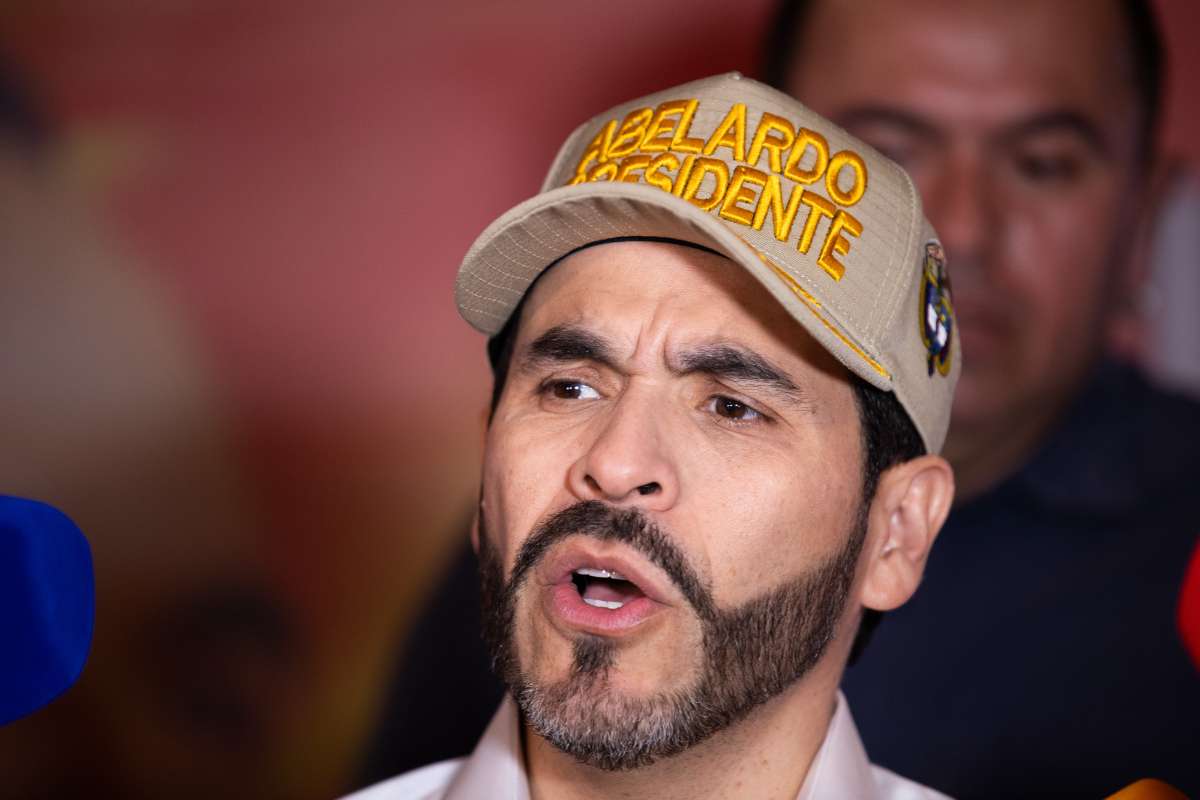

Abelardo de la Espriella won. By a small margin in the closest election in 32 years of Colombian electoral history, he will become the successor of Gustavo Petro on August 7. I say this as someone who shares much of his ideological diagnosis: Petro’s “Total Peace” failed, Colombia needs authority, and the Latin American left has been confusing negotiation with weakness for years. But sharing the diagnosis does not oblige me to applaud the treatment without reviewing it first, and De la Espriella’s security plan almost exactly copies Bukele’s manual in a country that resembles it in nothing except the desire to speak harshly against crime.

What he promises

The plan is based on an explicitly imperial concept: “pax romana,” under the logic that “peace is not negotiated.” It proposes to reclaim national territory in 90 days through Joint Task Forces, bombings of camps, a security block in Cauca, Chocó, and Nariño, and the destruction of more than 330,000 hectares of coca through aerial spraying. In those first 90 days, he will demand results from his generals on ten high-value targets.

The most striking component is related to prisons: ten mega-prisons inspired by Bukele’s CECOT, in areas so isolated that “even the signal of the Holy Cross doesn’t reach,” managed by private entities under concessions of up to eighty years. Here is a nuance worth noting: no Salvadoran prison is in private hands. De la Espriella’s proposal is not a faithful copy of Bukele, but a more radical version, combining the isolation of CECOT with a privatization that even Bukele himself did not dare to apply.

Why the comparison with Bukele falters

I understand the attraction of the model: Bukele turned El Salvador, in a few years, into one of the safest countries on the continent. It’s a real achievement. But the comparison collapses on three variables that weigh more than political will.

At the scale level, El Salvador has 21,000 km² and 6.3 million inhabitants, while Colombia is fifty times larger and its population is 52 million. Upon taking power in 2018, Bukele deployed the State in a territory the size of a city like Madrid. De la Espriella’s plan has to cover jungle, mountain ranges, and borders with five countries in 90 days.

It must also be considered that De la Espriella is not only fighting criminal gangs as Bukele did against the maras; his enemies include the ELN guerrillas and the FARC dissidents, who have six decades of territorial implantation, diversified illicit economies, and, in some cases, transnational links. Capturing ten high-value targets beheads cells, but dismantles six decades of rural entrenchment in a short time.

It is also worth mentioning the economic factor. The Colombian defense budget already exceeds 12 billion dollars, mostly in operational expenses. Added to this is the fact that the Constitutional Court requires strict public health and environmental conditions for aerial spraying, and that bombings must respect International Humanitarian Law. The leeway Bukele had simply does not exist in Colombia, and it should not exist: the institutional judicial control, with all its flaws, is an asset worth defending, not an obstacle to be circumvented with decrees.

The tension that a right-winger must also point out

Ninety days is a framework designed to generate a perception of action, not real territorial transformation. There will be high-profile captures and media blows, but what will not happen is the dissolution of illicit economies sustained by illegal mining, coca, and extortion, because that requires sustained state presence and time —much more time than fits in a presidential term—, not just military offensives.

And there is one point a serious right-wing government cannot treat with ambiguity: De la Espriella has left the door open to suspending the peace jurisdiction by decree and speaks of “temporary regulations” to detain and prosecute, without specifying which procedural guarantees would be sacrificed. Defending state authority does not require weakening the judicial checks and balances that distinguish a firm-handed democracy from an authoritarian shortcut.”

What needs to be watched

Colombia, moreover, is not El Salvador in another sense: it is a significant geopolitical actor, with a border with Venezuela in full transition and a central role in Washington’s regional strategy, especially with Trump’s securitization plan for Latin America through his Shield of the Americas. It is revealing that Colombia, under Petro, was one of the major countries in the region absent from the founding summit of that coalition in March of this year, along with Mexico and Brazil. De la Espriella aspires to integrate Colombia into a hemispheric security architecture from which, until now, the country has remained on the sidelines, despite having the fourth largest military force in the region.

The success of this plan will not only be measured by reduced homicides but by whether Colombia achieves that role without sacrificing the institutional framework that sustains it. De la Espriella’s diagnosis is correct. The execution, as it is proposed, risks promising what the terrain does not allow fulfilling in the offered timeframe.

Abelardo de la Espriella won. By a small margin in the closest election in 32 years of Colombian electoral history, he will become the successor of Gustavo Petro on August 7. I say this as someone who shares much of his ideological diagnosis: Petro’s “Total Peace” failed, Colombia needs authority, and the Latin American left has been confusing negotiation with weakness for years. But sharing the diagnosis does not oblige me to applaud the treatment without reviewing it first, and De la Espriella’s security plan almost exactly copies Bukele’s manual in a country that resembles it in nothing except the desire to speak harshly against crime.

What he promises

The plan is based on an explicitly imperial concept: “pax romana,” under the logic that “peace is not negotiated.” It proposes to reclaim national territory in 90 days through Joint Task Forces, bombings of camps, a security block in Cauca, Chocó, and Nariño, and the destruction of more than 330,000 hectares of coca through aerial spraying. In those first 90 days, he will demand results from his generals on ten high-value targets.

The most striking component is related to prisons: ten mega-prisons inspired by Bukele’s CECOT, in areas so isolated that “even the signal of the Holy Cross doesn’t reach,” managed by private entities under concessions of up to eighty years. Here is a nuance worth noting: no Salvadoran prison is in private hands. De la Espriella’s proposal is not a faithful copy of Bukele, but a more radical version, combining the isolation of CECOT with a privatization that even Bukele himself did not dare to apply.

Why the comparison with Bukele falters

I understand the attraction of the model: Bukele turned El Salvador, in a few years, into one of the safest countries on the continent. It’s a real achievement. But the comparison collapses on three variables that weigh more than political will.

At the scale level, El Salvador has 21,000 km² and 6.3 million inhabitants, while Colombia is fifty times larger and its population is 52 million. Upon taking power in 2018, Bukele deployed the State in a territory the size of a city like Madrid. De la Espriella’s plan has to cover jungle, mountain ranges, and borders with five countries in 90 days.

It must also be considered that De la Espriella is not only fighting criminal gangs as Bukele did against the maras; his enemies include the ELN guerrillas and the FARC dissidents, who have six decades of territorial implantation, diversified illicit economies, and, in some cases, transnational links. Capturing ten high-value targets beheads cells, but dismantles six decades of rural entrenchment in a short time.

It is also worth mentioning the economic factor. The Colombian defense budget already exceeds 12 billion dollars, mostly in operational expenses. Added to this is the fact that the Constitutional Court requires strict public health and environmental conditions for aerial spraying, and that bombings must respect International Humanitarian Law. The leeway Bukele had simply does not exist in Colombia, and it should not exist: the institutional judicial control, with all its flaws, is an asset worth defending, not an obstacle to be circumvented with decrees.

The tension that a right-winger must also point out

Ninety days is a framework designed to generate a perception of action, not real territorial transformation. There will be high-profile captures and media blows, but what will not happen is the dissolution of illicit economies sustained by illegal mining, coca, and extortion, because that requires sustained state presence and time —much more time than fits in a presidential term—, not just military offensives.

And there is one point a serious right-wing government cannot treat with ambiguity: De la Espriella has left the door open to suspending the peace jurisdiction by decree and speaks of “temporary regulations” to detain and prosecute, without specifying which procedural guarantees would be sacrificed. Defending state authority does not require weakening the judicial checks and balances that distinguish a firm-handed democracy from an authoritarian shortcut.”

What needs to be watched

Colombia, moreover, is not El Salvador in another sense: it is a significant geopolitical actor, with a border with Venezuela in full transition and a central role in Washington’s regional strategy, especially with Trump’s securitization plan for Latin America through his Shield of the Americas. It is revealing that Colombia, under Petro, was one of the major countries in the region absent from the founding summit of that coalition in March of this year, along with Mexico and Brazil. De la Espriella aspires to integrate Colombia into a hemispheric security architecture from which, until now, the country has remained on the sidelines, despite having the fourth largest military force in the region.

The success of this plan will not only be measured by reduced homicides but by whether Colombia achieves that role without sacrificing the institutional framework that sustains it. De la Espriella’s diagnosis is correct. The execution, as it is proposed, risks promising what the terrain does not allow fulfilling in the offered timeframe.


Source link

Leave A Reply

Your email address will not be published.