

Fine Margins Proved Costly for Iraq Against Norway
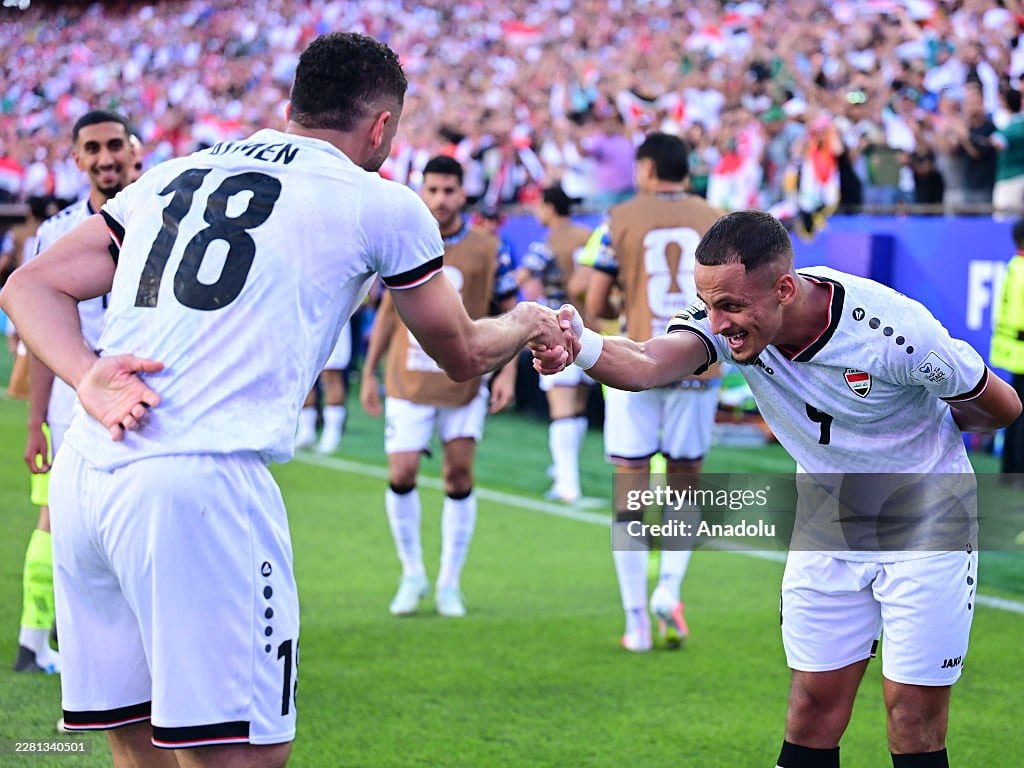
Iraq’s 4-1 defeat to Norway was disappointing on the scoreboard, but the most important lesson from the match was not the result itself. Instead, it was the recurring issue that has troubled the Lions of Mesopotamia against high-level opposition for some time: defensive transition.
When Iraq lost possession, particularly in advanced areas, Norway repeatedly exposed the spaces left behind. Against a team featuring elite attacking quality and excellent movement, those moments proved decisive.
Norway Punished Every Turnover
For long periods, Iraq were brave in possession. They attempted to play forward, committed players into attacking positions and looked willing to challenge Norway rather than simply sit deep.
However, that ambition came with a cost.
Several of Norway’s most dangerous attacks originated immediately after regaining possession. Iraq’s midfield was often caught ahead of the ball, while the defensive line found itself isolated against quick runners breaking into open space.
Modern international football is increasingly decided by transition moments rather than prolonged periods of possession. Norway demonstrated exactly why. The speed with which they moved from defence to attack left Iraq struggling to recover their shape.
The issue was not necessarily poor defending in settled situations. Instead, it was the inability to reorganise quickly enough once possession changed hands.
The Midfield Balance Was Missing
A key factor behind Iraq’s problems was the lack of protection in front of the defence.
When Iraq pushed up the field, the distance between the midfield unit and the back line grew too large. Norway consistently found pockets of space between those lines and used them to launch attacks.
The best international teams maintain a balance between attacking ambition and defensive security. Against Norway, Iraq often had one without the other.
There were moments when a holding midfielder appeared isolated, expected to cover large areas of the pitch alone. Norway‘s intelligent movement stretched those responsibilities even further.
As a result, Iraq were frequently forced into emergency defending rather than controlling situations before they became dangerous.
A Warning Ahead of Future Tests
The positive news for Iraq is that this problem is identifiable and coachable.
The team showed flashes of technical quality and attacking intent throughout the match. There were periods where they moved the ball confidently and managed to put Norway under pressure.
Yet against stronger opponents, those encouraging moments will count for little if defensive transitions remain vulnerable.
International football offers very little margin for error. Teams with the quality of Norway do not need dozens of chances to score; they simply need a few opportunities to attack disorganised opponents.
That is exactly what happened here.
The Main Takeaway
Results can sometimes be misleading, but the tactical lesson from this defeat was clear.
Iraq’s biggest challenge is not creating attacks or showing courage on the ball. It is what happens immediately after they lose possession.
Until the team improves its defensive transition structure, closes the spaces between midfield and defence, and reacts faster to turnovers, matches against elite opposition will continue to be difficult.
Against Norway, Iraq learned a harsh but valuable lesson: in modern football, the few seconds after losing the ball can be more important than the minutes spent with it.